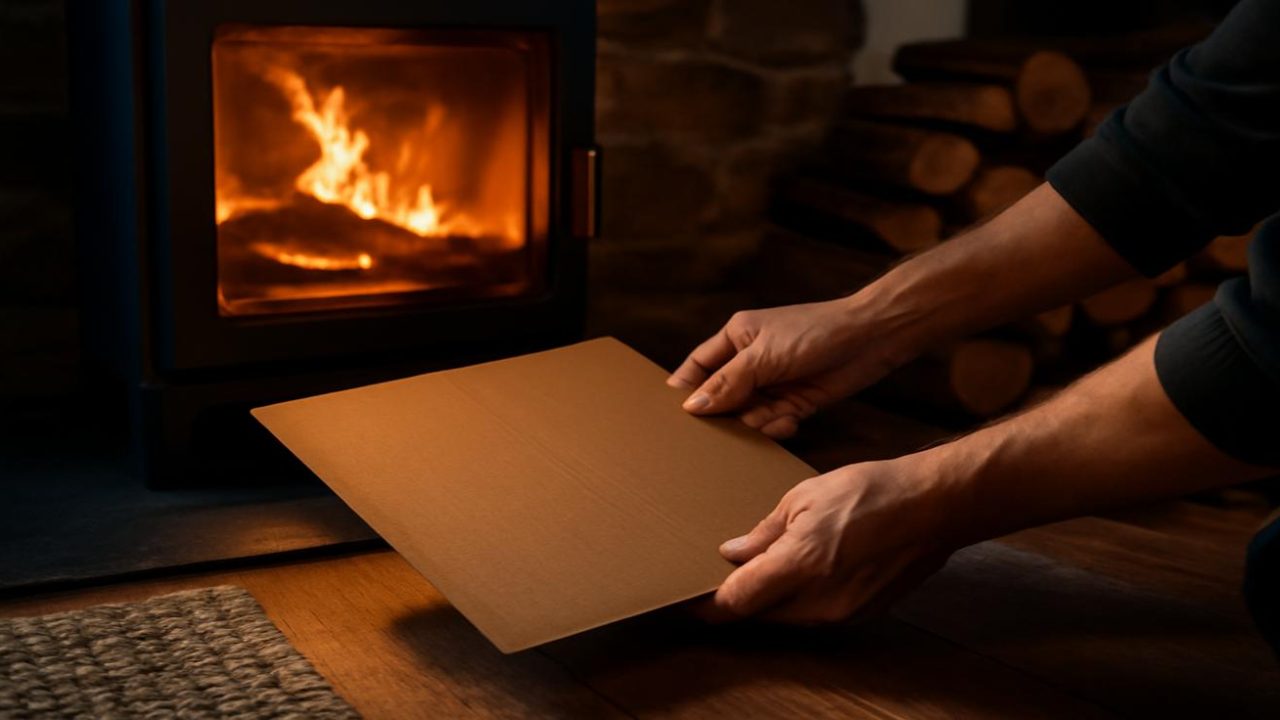
A simple change to how you build and manage your wood fire can dramatically improve heat output while reducing smoke and the amount of wood you burn. The technique, known as top-down burning, challenges the traditional method most people use to start their wood stoves.
Instead of the typical approach of lighting kindling at the bottom and adding larger logs on top, this method reverses the process entirely. The result is a cleaner, more efficient burn that maintains consistent heat with less maintenance and fuel consumption.
For anyone relying on wood heat during cold months, mastering this technique could mean the difference between constantly tending a smoky, inefficient fire and enjoying steady warmth from a clean-burning stove.

How the Top-Down Method Works
The traditional bottom-up fire building method creates an inherent problem. When you light kindling at the bottom and stack larger logs above, the fire burns upward through green or semi-dry wood, creating smoke and incomplete combustion.
Top-down burning flips this approach completely. You start by placing your largest logs at the bottom of the firebox, then progressively smaller pieces above them, with the finest kindling and tinder at the very top.
When you light the fire at the top, it burns downward through increasingly larger fuel. This creates a more controlled burn where each layer is properly preheated before igniting, resulting in cleaner combustion and better heat output.

The key is maintaining plenty of airflow during the initial burn phase. Only after the entire load is engaged in clean flames should you begin reducing the air supply to control the burn rate.
The Three Essential Components of Better Wood Burning
Successful implementation of this technique requires attention to three critical elements: proper stacking, adequate initial airflow, and timing your air reduction correctly.
The stacking process forms the foundation of the entire method. Your largest split logs go directly on the firebox floor, arranged with small gaps between them for airflow. The next layer uses medium-sized splits, again with spacing for air movement.

Continue layering progressively smaller wood pieces, finishing with fine kindling and dry tinder material at the top. This creates a fuel pyramid that burns in a controlled cascade from top to bottom.
Airflow management proves equally crucial. During the initial lighting phase, your stove’s air controls should remain fully open. This feeds the fire the oxygen it needs for complete combustion and helps establish the downward burning pattern.
| Layer Position | Wood Size | Spacing Requirements |
|---|---|---|
| Bottom | Largest splits (4-6 inches) | 1/2 inch gaps for airflow |
| Middle | Medium splits (2-4 inches) | Small gaps between pieces |
| Upper | Small splits and kindling | Loose stacking for air movement |
| Top | Fine kindling and tinder | Light, airy arrangement |
Why This Method Eliminates Common Wood Stove Problems
Most wood stove frustrations stem from incomplete combustion and poor burn control. The typical cycle involves loading wood, watching it flare up, then choking down the air to prevent overheating.

This creates a pattern where the fire alternately roars and smolders, producing inconsistent heat and coating the glass door with brown creosote deposits. The room develops that characteristic half-burned smell that permeates fabrics and furnishings.
Top-down burning breaks this cycle by establishing clean combustion from the start. Because each layer of fuel is properly preheated before igniting, the wood burns more completely with less smoke production.
The method also provides better heat consistency. Instead of dramatic temperature swings as the fire cycles between blazing and smoldering, you get steady heat output that’s easier to control and more comfortable to live with.

Glass doors stay cleaner because the improved combustion produces less creosote. The reduction in smoke and particulates means less maintenance and a more pleasant indoor environment.
Getting the Timing Right for Maximum Efficiency
The critical moment in top-down burning comes when you transition from the initial high-airflow phase to controlled burning. Making this adjustment too early or too late can undermine the entire process.
Watch for the point when flames are actively burning across the entire fuel load. This typically occurs 15-30 minutes after lighting, depending on your wood size and moisture content.

Only when you see consistent flames throughout the firebox should you begin gradually reducing the air supply. This maintains the clean burn while extending the duration of your fuel load.
Many people make the mistake of reducing airflow too quickly, which can cause the fire to smolder and produce smoke. The reduction should be gradual, allowing the fire to adjust to each new air setting before making further changes.
Properly executed, this method can extend burn times significantly while producing more usable heat per log. The improved efficiency means less time spent loading wood and more consistent comfort throughout your heating season.

Optimizing Your Wood Selection and Preparation
The top-down method works best with properly seasoned hardwood that has been split to appropriate sizes. Moisture content should be below 20% for optimal results, as wet wood will produce steam and smoke regardless of your burning technique.
Split sizes matter more with this method than traditional burning. Having a good range of sizes allows you to build the graduated layers that make top-down burning effective.
Your largest splits should fit comfortably in the firebox with room for airflow around them. Medium pieces should be roughly half the diameter of your largest splits, while kindling should range from pencil-thick to thumb-sized.

Softwoods like pine can work for kindling and getting the fire started, but hardwoods like oak, maple, or ash provide the sustained heat that makes this method worthwhile for serious heating.
Frequently Asked Questions
How long does it take to see the difference with top-down burning?
Most people notice cleaner glass and better heat output within the first few fires using this method.
Can this method work with any type of wood stove?
Top-down burning works with most wood stoves, though the exact technique may need adjustment based on your firebox size and air control design.
Do I need different tools or equipment to use this method?
No special equipment is required beyond what you normally use for wood burning, though having a variety of split sizes helps build better fuel layers.
Will this method work if my wood isn’t perfectly seasoned?
While the technique can improve burning efficiency, properly seasoned wood with low moisture content remains essential for best results.
How much wood can I save using this burning method?
The exact savings depend on your previous burning efficiency, but many users report noticeable reductions in wood consumption due to more complete combustion.
Is it safe to leave the air controls fully open during the initial burn?
Yes, full airflow during the lighting phase is necessary for establishing proper combustion, but you should monitor the fire and adjust controls as the burn develops.










Leave a Comment