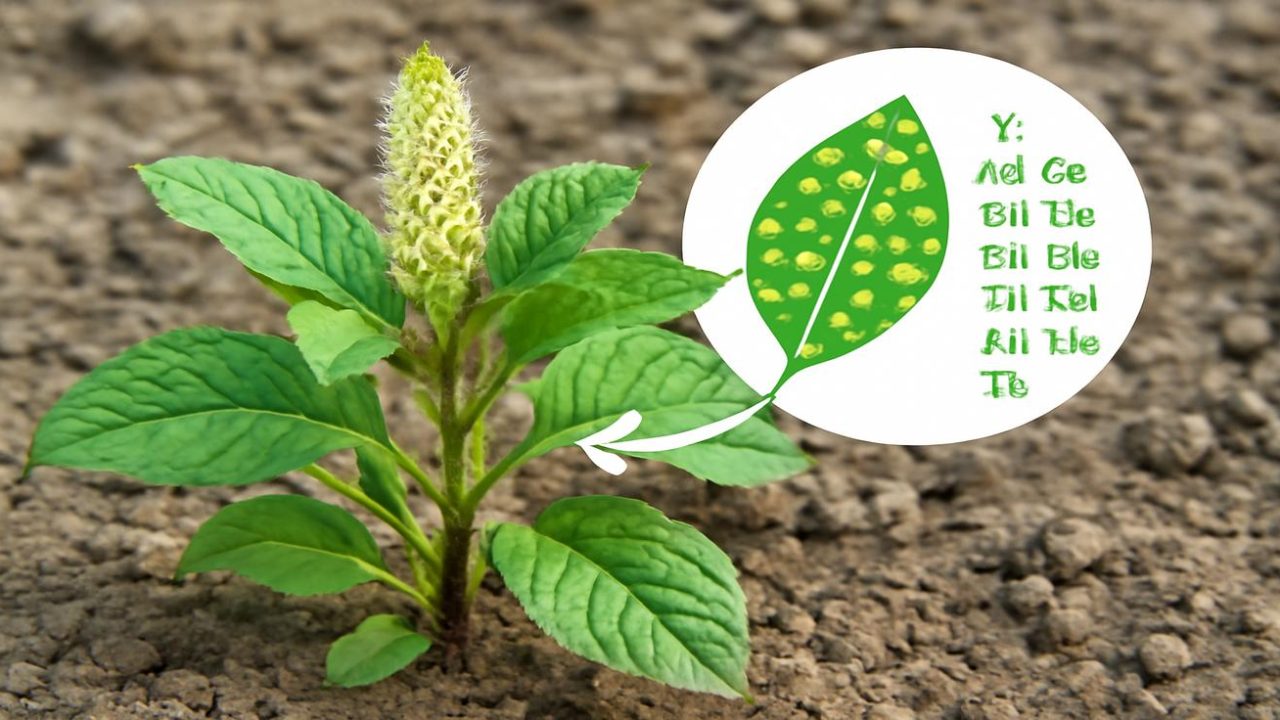
A small evergreen shrub growing on Chinese hillsides may hold the key to revolutionizing how humanity extracts rare earth elements — the critical metals that power everything from smartphones to wind turbines. Chinese researchers have discovered that Phytolacca acinosa, commonly known as Asian pokeweed, can naturally extract and concentrate rare earth elements from soil, potentially offering a sustainable alternative to environmentally destructive mining practices.
The discovery emerged from research conducted in the early 2010s, when scientists studying vegetation on rare earth-rich soils noticed something extraordinary. While most plants struggled with mineral stress from metallic ion overload, this unremarkable shrub thrived — and laboratory analysis revealed it was actively accumulating rare earth elements in concentrations far beyond normal vegetation levels.
Why This Plant Discovery Could Transform Rare Earth Mining
Rare earth elements are the invisible backbone of modern technology. These 17 metallic elements power the magnets in wind turbines and electric vehicle motors, enable smartphone speakers and headphones to function, and are essential components in laser systems and defense technologies.

Despite their name, rare earths aren’t particularly scarce. The challenge lies in extraction. Traditional mining strips hillsides, contaminates water sources, and leaves environmental scars that persist for generations. The toxic chemical processes required to separate these elements from ore create additional environmental hazards.
China controls the majority of global rare earth production and has long understood the environmental costs of feeding the world’s appetite for these critical materials. The search for gentler extraction methods has driven researchers to explore whether plants could do the mining work instead.
Most plants actively avoid rare earth elements because these metals disrupt cellular chemistry and interfere with essential nutrients like calcium. The discovery that Phytolacca acinosa not only tolerates but actively accumulates multiple rare earth elements represents a significant breakthrough in botanical science.

How the Asian Pokeweed Breaks Scientific Expectations
When Chinese researchers first sampled the leaves and roots of Phytolacca acinosa growing on rare earth-rich soils, the laboratory results were stunning. The plant tissues contained elevated concentrations of multiple rare earth elements, including lanthanum, cerium, and neodymium.
This wasn’t passive contamination from soil contact. The plant was actively drawing these metals up through its root system and concentrating them in its tissues — behavior that contradicts what scientists know about how plants typically respond to rare earth exposure.
Some plants are already recognized as “hyperaccumulators” of specific metals like nickel, zinc, or arsenic. These botanical filters can absorb what other plants cannot tolerate. However, rare earth elements had remained stubbornly elusive to plant-based extraction due to their disruptive effects on cellular processes.

The research suggests that Phytolacca acinosa may be among the first, and possibly the only known plant species capable of extracting and concentrating a broad suite of rare earth elements directly from soil under natural conditions.
| Rare Earth Elements Found in Plant | Common Applications |
|---|---|
| Lanthanum | Camera lenses, battery electrodes |
| Cerium | Catalytic converters, glass polishing |
| Neodymium | Permanent magnets, hard drives |
The Environmental Promise of Plant-Based Mining
The concept of using plants for metal extraction, known as phytomining, offers a dramatically different vision for rare earth production. Instead of heavy machinery grinding through rock and toxic chemicals leaching metals from ore, the process would involve cultivating living fields on rare earth-rich terrain.
Over multiple growing seasons, these plants would gradually pull metals from the ground and concentrate them in their tissues. At harvest time, the biomass could be processed to extract and purify the accumulated rare earth elements, similar to how other agricultural crops are processed.

The environmental advantages are significant. The plants would continue growing back after harvest, allowing the soil to slowly recover rather than being permanently scarred. Water contamination risks would be substantially reduced compared to traditional chemical extraction methods.
This approach could be particularly valuable in areas where conventional mining has already occurred, potentially helping to remediate contaminated soils while simultaneously recovering valuable materials.
Real-World Applications and Limitations
While the discovery represents a major scientific breakthrough, several practical challenges remain before plant-based rare earth mining could become commercially viable. The concentration levels achieved by Phytolacca acinosa, while impressive for a plant, are still significantly lower than traditional ore deposits.

The time scale for plant-based extraction would also differ dramatically from conventional mining. Rather than immediate material extraction, phytomining would require multiple growing seasons to accumulate meaningful quantities of rare earth elements.
However, the approach could complement rather than replace traditional mining methods. Phytomining might be most valuable for extracting remaining rare earths from depleted mining sites or processing areas with lower-grade deposits that aren’t economically viable for conventional extraction.
The discovery also raises questions about whether other plant species might possess similar capabilities. Researchers may now focus on identifying additional hyperaccumulator plants that could expand the toolkit for sustainable rare earth extraction.

What Happens Next in Rare Earth Research
The identification of Phytolacca acinosa as a rare earth hyperaccumulator opens new research directions for both botanical science and sustainable mining technology. Scientists will likely focus on understanding the biological mechanisms that allow this plant to tolerate and concentrate these typically toxic elements.
Future research may explore whether the plant’s rare earth accumulation capabilities can be enhanced through selective breeding or agricultural techniques. Understanding how the plant processes these metals could also inform the development of other sustainable extraction methods.
The discovery comes at a critical time as global demand for rare earth elements continues to grow with the expansion of renewable energy technologies and electric vehicle production. Any sustainable alternative to environmentally destructive mining practices could have significant implications for both technology supply chains and environmental protection.

As researchers continue studying this remarkable plant, the humble Asian pokeweed may prove to be nature’s answer to one of modern technology’s most persistent environmental challenges.
Frequently Asked Questions
What makes Phytolacca acinosa unique among plants?
It appears to be the first and possibly only known plant species capable of extracting and concentrating multiple rare earth elements from soil under natural conditions, while most plants actively avoid these metals.
How was this discovery made?
Chinese researchers in the early 2010s noticed that while most plants struggled on rare earth-rich soils, Phytolacca acinosa thrived, leading to laboratory analysis that revealed high concentrations of rare earth elements in the plant tissues.

Could plant-based mining replace traditional rare earth extraction?
The approach would more likely complement rather than replace conventional mining, potentially being most valuable for lower-grade deposits or remediation of depleted mining sites.
What rare earth elements can the plant extract?
Laboratory analysis found multiple elements including lanthanum, cerium, and neodymium concentrated in the plant tissues.
How long would plant-based extraction take compared to traditional mining?
Plant-based extraction would require multiple growing seasons to accumulate meaningful quantities, unlike the immediate extraction possible with conventional mining methods.
Are there environmental benefits to this approach?
Yes, phytomining could reduce water contamination risks and allow soil recovery over time, while potentially helping remediate areas damaged by previous mining activities.










Leave a Comment