Retirement was supposed to be the time for relaxation, but Dolores Martinez never imagined her dream hot tub would turn into a $4,000 nightmare. The 62-year-old from Phoenix had saved for three years to buy her first hot tub, picturing herself soaking away decades of work stress under the desert stars.
“I thought you just plugged it in like any other appliance,” Dolores laughs now, though it wasn’t funny at the time. “Nobody told me I’d need to rewire half my house.”
Dolores isn’t alone in her hot tub shock. A recent survey reveals that 4 out of 10 first-time hot tub owners regret not checking their home’s electrical capacity before making their purchase. For many people buying their first hot tub at 60 or later, this oversight can turn a retirement dream into an expensive learning experience.

Why Electrical Planning Matters More Than You Think
Hot tubs aren’t like your average household appliances. While your coffee maker might draw 1,200 watts, a typical hot tub requires between 3,000 to 7,500 watts of power. That’s like running five hair dryers simultaneously, 24 hours a day.
Most homes built before 1990 simply weren’t designed for this kind of electrical demand. The standard 100-amp electrical panel that was common in older homes can struggle to handle a hot tub alongside normal household usage.
The biggest mistake I see is people falling in love with a hot tub at the showroom without considering what it takes to power it at home. It’s like buying a sports car without checking if your garage door is wide enough.
— Rick Patterson, Licensed Electrician

The electrical requirements go beyond just having enough power. Hot tubs need dedicated circuits, proper grounding, and GFCI protection. Many also require 220-volt service, which means running new wiring from your electrical panel to the hot tub location.
The Hidden Costs That Catch New Owners Off Guard
When budgeting for a hot tub, most people focus on the purchase price and maybe some basic installation costs. But electrical upgrades can add thousands to your total investment.
Here’s what you might face if your home isn’t hot tub-ready:

| Electrical Upgrade | Typical Cost Range | When You Need It |
|---|---|---|
| Panel Upgrade (100 to 200 amp) | $1,500 – $3,000 | Older homes with limited capacity |
| New 220V Circuit Installation | $500 – $1,200 | Most hot tub installations |
| GFCI Breaker | $200 – $400 | Required by electrical code |
| Trenching/Conduit Work | $300 – $800 | Distance from panel to hot tub |
| Permits and Inspection | $100 – $300 | Required in most areas |
The costs can vary dramatically based on your home’s age, existing electrical setup, and local labor rates. In some cases, the electrical work can cost more than the hot tub itself.
I had a customer who bought a $8,000 hot tub and ended up spending $6,000 on electrical upgrades. She wished someone had warned her to check her electrical panel first.
— Maria Santos, Hot Tub Retailer
What Every First-Time Buyer Should Check Before Shopping
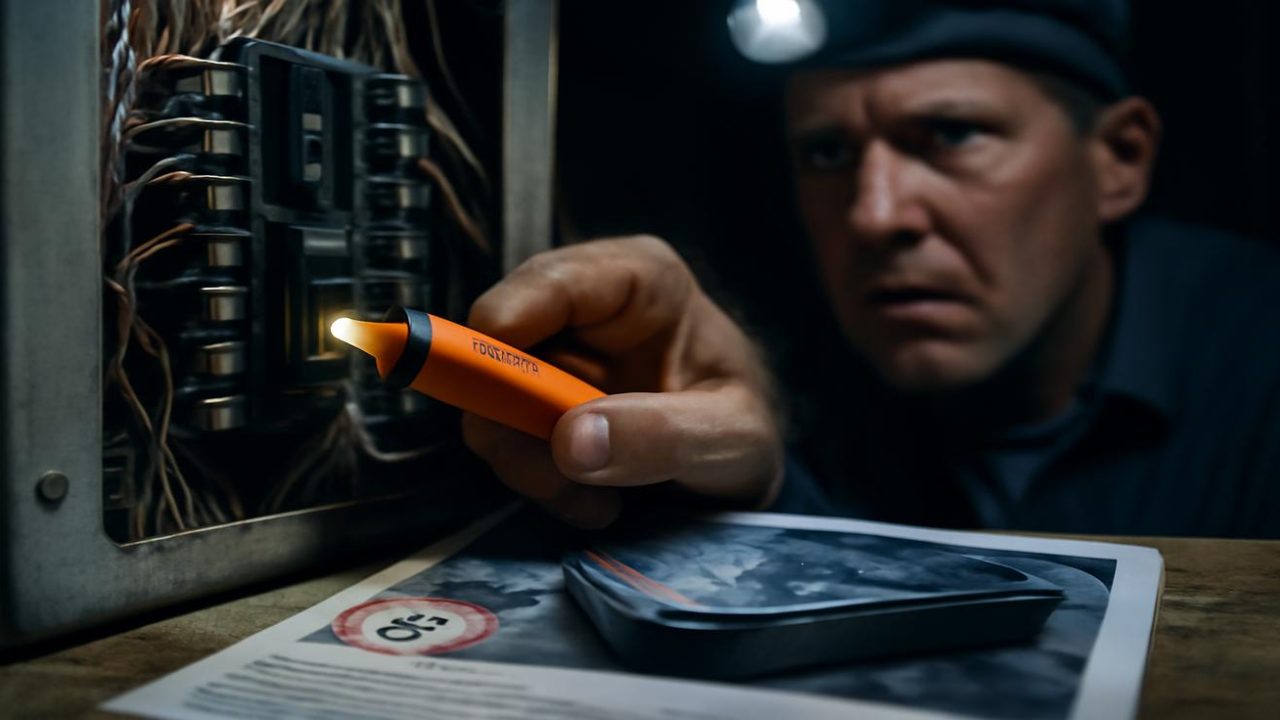
Before you start browsing hot tubs, take a walk to your electrical panel. This simple step can save you thousands and prevent buyer’s remorse.

Look for these key details:
- The amp rating on your main breaker (usually 100, 150, or 200 amps)
- Available space for new breakers
- The age and condition of your electrical panel
- Distance from panel to your planned hot tub location
- Any existing 220V outlets or circuits
If your main panel shows 100 amps or less, you’ll likely need an upgrade. Panels with rust, outdated breakers, or no available slots will also need attention before a hot tub installation.
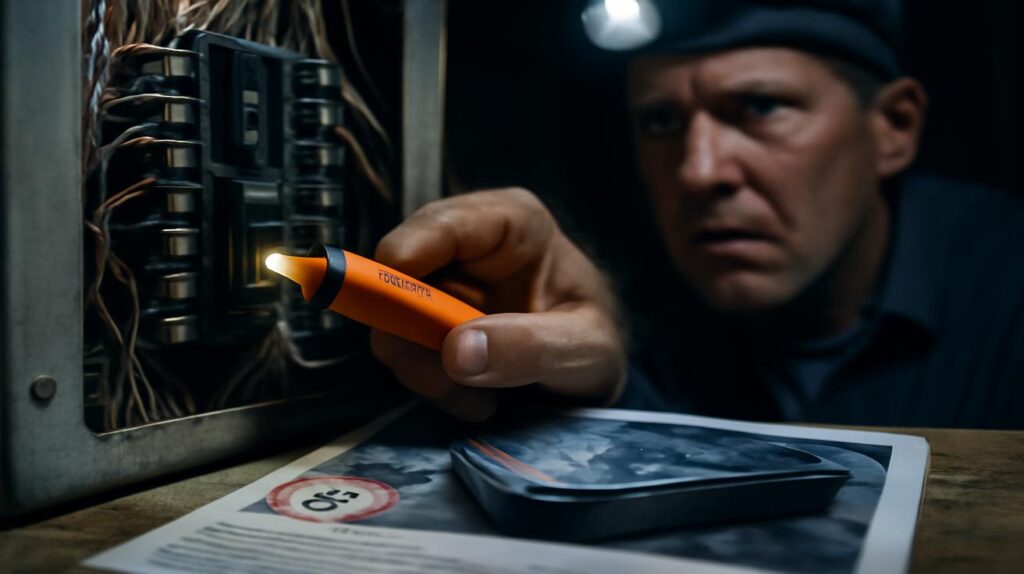
Consider hiring an electrician for a pre-purchase consultation. Most charge $100-200 for an assessment, but this small investment can prevent major surprises later.

A $150 electrical consultation before you buy can save you $3,000 in unexpected costs after delivery. It’s the best money you’ll spend in the hot tub buying process.
— James Liu, Master Electrician
Making Smart Choices When Your Home Needs Upgrades
If your electrical assessment reveals needed upgrades, don’t panic. You have options that can help manage costs and timing.
Some manufacturers offer smaller hot tubs designed for standard 110V outlets. While these models heat more slowly and may have fewer features, they eliminate the need for electrical upgrades.

Another option is phasing your purchase. Complete electrical upgrades first, then shop for your hot tub. This approach lets you budget properly and avoid rushed decisions.
When getting electrical quotes, ask contractors about bundling services. Some offer package deals that include panel upgrades, new circuits, and installation prep work.
The customers who are happiest with their hot tubs are the ones who planned for all the costs upfront. Surprises after delivery create stress that lasts long after the first soak.
— Angela Rodriguez, Hot Tub Installation Specialist

The Silver Lining of Proper Planning
While electrical upgrades add costs, they also add value to your home. A modern electrical panel and proper hot tub installation can be selling points if you ever move.
Plus, newer electrical systems are safer and more efficient. Many homeowners find their upgraded electrical service handles all their appliances better, not just the hot tub.
Dolores eventually got her dream hot tub, complete with a shiny new electrical panel. “The extra cost stung at first, but now I have peace of mind along with my evening soaks,” she says. “I just wish I’d known to check my electrical situation before I fell in love with that display model.”

Her advice for other first-time hot tub buyers? “Start with your electrical panel, not the showroom floor. Your future self will thank you.”
FAQs
Do all hot tubs require 220V electrical service?
No, some smaller models can run on standard 110V outlets, but they heat more slowly and have limited features compared to 220V models.
Can I install hot tub electrical work myself?
Most areas require licensed electricians for hot tub electrical work due to safety concerns and code requirements. DIY installation may void warranties and create insurance issues.
How far in advance should I plan electrical upgrades?
Electrical work can take 2-6 weeks depending on permits, inspections, and contractor availability. Plan upgrades before ordering your hot tub.
Will a hot tub significantly increase my electricity bill?
Most hot tubs add $20-50 monthly to electric bills, depending on size, usage, and local utility rates. Newer models with better insulation cost less to operate.
What happens if I don’t upgrade my electrical panel when needed?
Inadequate electrical service can cause breakers to trip frequently, damage to appliances, or even fire hazards. Professional assessment is essential for safety.
Are there financing options for electrical upgrades?
Many electrical contractors offer financing, and some hot tub dealers provide packages that include electrical work. Home improvement loans are another option for major upgrades.









Leave a Comment