Each Canadian cow emits the equivalent of a small car’s annual emissions just by eating and breathing—but a secretive federal experiment in Saskatchewan aims to slash that methane output almost to zero.
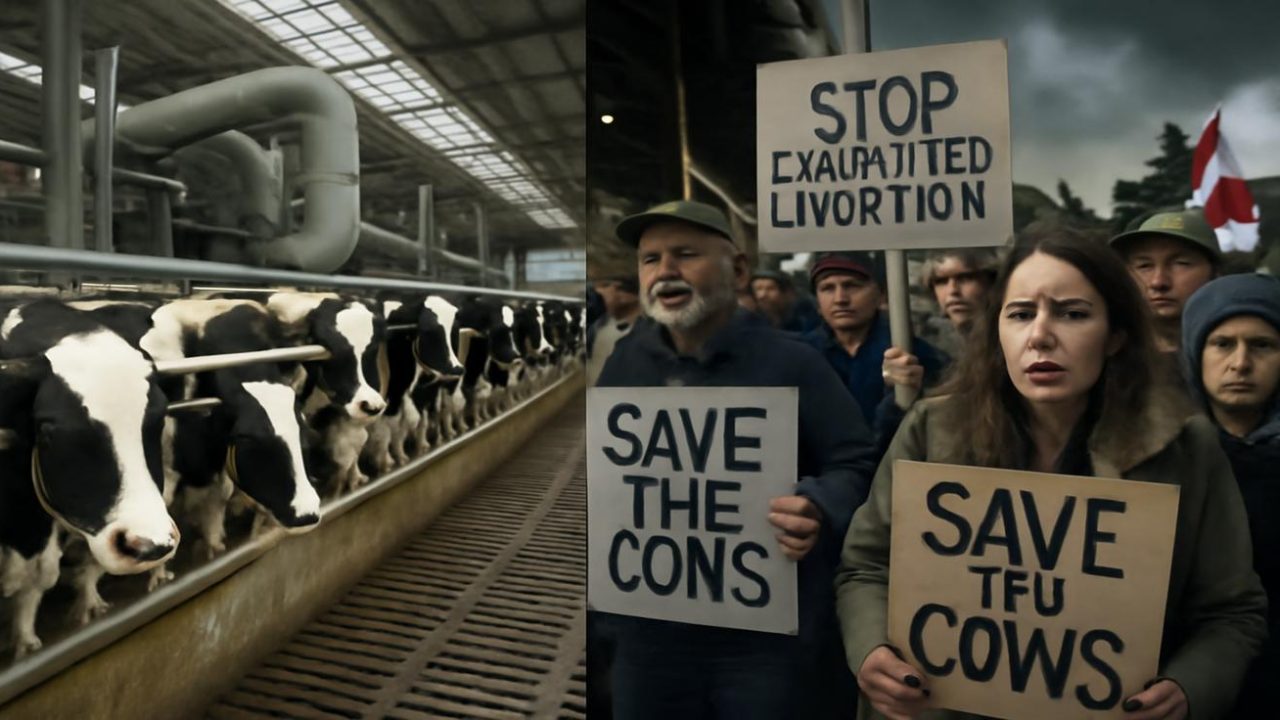
Deep in the Canadian Prairies, rows of Holstein cattle graze under careful scientific observation, their every belch monitored by blinking antennas and tracked through slim plastic collars around their necks. This isn’t your typical ranch—it’s what researchers are calling Canada’s “carbon cows,” a federally funded attempt to engineer methane-neutral livestock that could reshape both climate policy and agriculture.
The experiment represents a fundamental question about our climate future: should we eliminate cattle to reduce emissions, or rebuild them entirely?

The Science Behind Canada’s Carbon Cow Project
The Saskatchewan operation involves a complex partnership between Ottawa, universities, agribusinesses, tech startups, and federal agencies. Their target is methane—a greenhouse gas roughly 28 times more potent than carbon dioxide over a century.
Cattle are ruminants, meaning their four-chambered stomachs rely on microbes to break down grass and grains. This digestive process naturally produces methane, which the animals release primarily through belching. The scale of this biological process has made livestock a significant climate concern.
The “superherd” approach attempts to modify this ancient digestive system through careful monitoring and intervention. Each animal wears tracking devices that measure their methane output in real-time, while researchers analyze the data to identify patterns and potential solutions.

Rather than reducing cattle numbers, the project seeks to maintain agricultural productivity while dramatically cutting emissions. The technology involves sophisticated monitoring systems that can detect and measure methane emissions from individual animals throughout their daily routines.
Why This Experiment Matters for Climate Goals
Traditional climate strategies often focus on reducing livestock numbers to cut agricultural emissions. The carbon cow project represents a different philosophy—using technology and biological modification to maintain food production while achieving environmental targets.
The potential impact extends far beyond Saskatchewan. If successful, the techniques developed could be scaled across Canada’s cattle industry and exported globally. The project addresses one of agriculture’s most persistent climate challenges without requiring farmers to abandon livestock entirely.
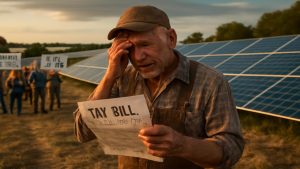
However, the “hush-hush” nature of the experiment has created tension among different stakeholders. Small farmers worry about being displaced by high-tech operations they cannot afford to implement. Animal rights activists question the ethics of engineering livestock for environmental purposes.
The controversy reflects broader debates about technological solutions to climate change. Critics argue that such approaches avoid addressing consumption patterns, while supporters contend that innovation offers the most realistic path to emissions reduction without economic disruption.
The Technology Behind Methane Monitoring
The Saskatchewan facility employs several cutting-edge technologies to track and potentially reduce bovine methane emissions:

- Specialized collar devices that monitor individual animals continuously
- Discreet ear tags containing sensors and tracking equipment
- Antenna systems that collect real-time data from the herd
- Advanced analytics to identify patterns in methane production
- Feed modification systems designed to alter digestive processes
The monitoring system can detect variations in methane output based on factors like diet, weather, activity levels, and individual animal characteristics. This data forms the foundation for developing intervention strategies.
Researchers use this information to test various approaches, from dietary supplements that modify gut bacteria to breeding programs that select for naturally lower-emission animals. The goal is creating a replicable system that other operations can adopt.
Stakeholder Reactions and Concerns
The project has generated strong reactions across the agricultural and environmental communities. Small farmers express concern about being left behind by expensive technology they cannot implement on traditional operations.

Animal rights activists raise ethical questions about treating livestock as engineering problems to be solved. They argue that the approach treats animals as production units rather than addressing fundamental questions about meat consumption.
Environmental groups remain divided. Some welcome any technology that could reduce agricultural emissions without eliminating livestock entirely. Others worry that such solutions delay necessary changes to food systems and consumption patterns.
The agricultural industry shows cautious interest, particularly larger operations that could more easily adopt new technologies. However, concerns persist about costs, implementation challenges, and potential regulatory requirements.

| Stakeholder Group | Primary Concern | Potential Impact |
|---|---|---|
| Small Farmers | Technology costs and accessibility | Economic displacement |
| Animal Rights Activists | Ethical treatment of livestock | Continued animal agriculture |
| Environmental Groups | Effectiveness vs. systemic change | Climate goal achievement |
| Agricultural Industry | Implementation and regulation | Operational requirements |
What Happens Next for the Carbon Cow Program
The Saskatchewan experiment continues to operate under relative secrecy, with limited public information about timelines or specific results. The federal funding suggests government interest in scaling successful techniques, but no official announcements have outlined expansion plans.
The project’s success or failure could influence Canada’s broader agricultural climate strategy. Positive results might lead to incentive programs encouraging adoption across the industry, while setbacks could redirect resources toward alternative approaches.
International attention on the program reflects global interest in agricultural emission solutions. Other countries face similar challenges balancing food production with climate commitments, making Canadian results potentially valuable worldwide.

The ultimate question remains whether technological solutions can achieve meaningful emission reductions while maintaining agricultural productivity. The Saskatchewan herd represents one of the most ambitious attempts to answer that question through direct experimentation.
As climate pressure intensifies and agricultural emissions face increased scrutiny, projects like the carbon cow experiment may become more common. The results from Saskatchewan could determine whether engineering livestock becomes a standard climate solution or remains an expensive experiment.
Frequently Asked Questions
What exactly are “carbon cows” in the Saskatchewan experiment?
They are Holstein cattle equipped with monitoring devices that track their methane emissions in real-time as part of a federally funded research project.

How much methane does a typical Canadian cow produce?
According to the research, each Canadian cow can emit the equivalent of a small car’s annual emissions just through normal eating and digestion.
Why is methane from cattle considered a climate problem?
Methane is approximately 28 times more potent as a greenhouse gas than carbon dioxide over a century, making livestock emissions a significant climate concern.
Who is funding this carbon cow research?
The project receives federal funding and involves partnerships between Ottawa, universities, agribusinesses, tech startups, and federal agencies.
What technology is being used to monitor the cattle?
The cattle wear slim plastic collars and discreet ear tags with sensors, while antenna systems collect data about their methane emissions.
When will results from the experiment be available?
The timeline for public results has not been confirmed, as the project operates with limited public disclosure about its progress or conclusions.









Leave a Comment