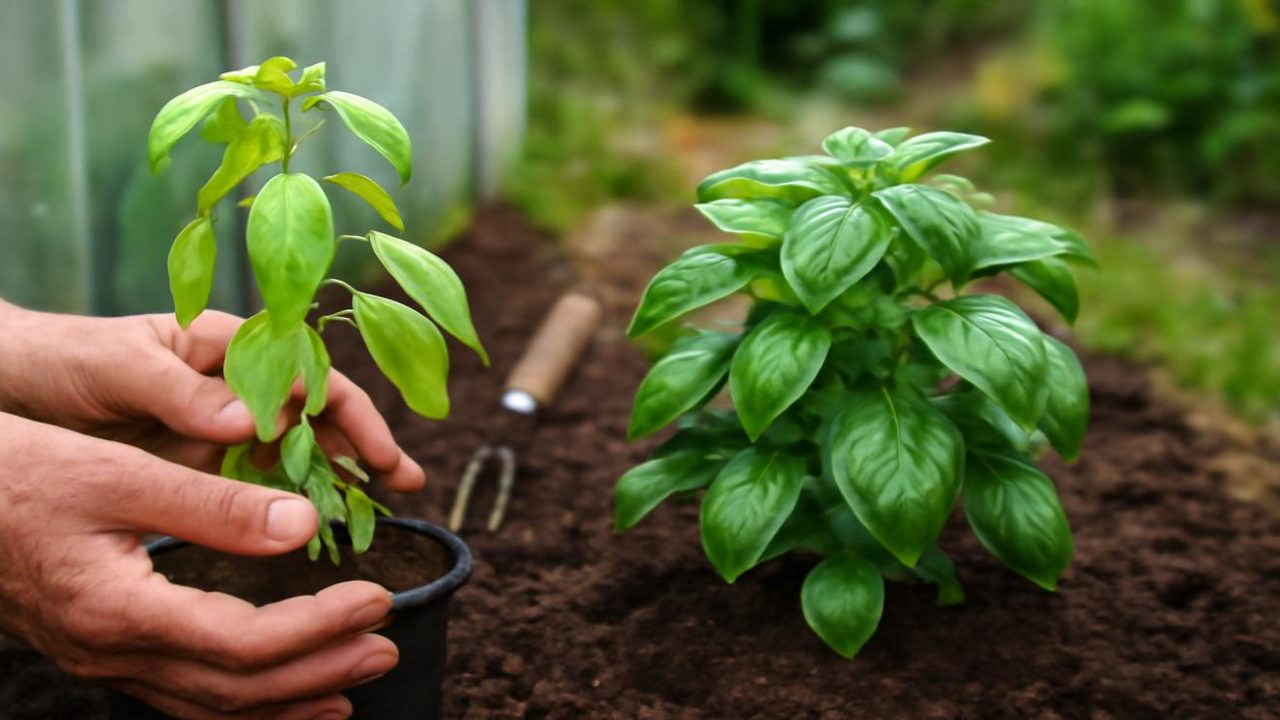
Delilah stared at her wilted tomato plants with genuine heartbreak. After months of carefully shielding them from every breeze, watering them religiously, and keeping them safely indoors until late spring, her prized garden was failing spectacularly. Meanwhile, her neighbor’s “neglected” plants—the ones that had endured spring storms and temperature swings—were thriving with thick stems and abundant fruit.
Her disappointment wasn’t just about vegetables. It was about realizing that her loving protection had actually weakened the very plants she was trying to help.
This scenario plays out in gardens across the country every growing season, and it reveals a fundamental truth about plant resilience that many well-meaning gardeners never learn.

The Hidden Cost of Plant Coddling
When we overprotect plants, we inadvertently rob them of their natural ability to develop strength and adaptability. Plants, like all living organisms, need controlled stress to build resilience. This process, called hardening, helps them develop stronger cell walls, more robust root systems, and better resistance to environmental challenges.
Think of it like muscle development. A person who never exercises will struggle with physical demands, while someone who gradually increases their activity builds strength and endurance. Plants work similarly—they need exposure to wind, temperature fluctuations, and mild water stress to develop their natural defenses.
Plants that face controlled challenges early in life develop what we call ‘stress memory’—they actually become better at handling future difficulties because they’ve learned to adapt.
— Dr. Rebecca Martinez, Plant Physiologist at Colorado State University

The overprotection problem starts early. Many gardeners keep seedlings indoors too long, shield mature plants from natural weather patterns, and create overly comfortable growing conditions. While this feels nurturing, it prevents plants from developing the cellular structures and biochemical processes they need to thrive independently.
What Really Happens When Plants Get Too Comfortable
Overprotected plants develop several weaknesses that become apparent when they finally face real-world conditions. Understanding these vulnerabilities helps explain why that perfectly pampered plant often fails while its hardier neighbors succeed.
Here are the key ways overprotection backfires:

- Weak stem development: Plants never exposed to wind don’t develop strong, flexible stems that can bend without breaking
- Shallow root systems: Consistent, frequent watering encourages surface roots instead of deep, drought-resistant root networks
- Poor temperature tolerance: Plants kept in stable conditions can’t handle natural temperature swings
- Reduced pest resistance: Sheltered plants don’t develop natural chemical defenses against insects and diseases
- Stunted growth responses: Overprotected plants lose their ability to respond quickly to environmental changes
The science behind this is fascinating. When plants experience mild stress—like gentle wind movement or slight water shortage—they produce hormones and proteins that strengthen their cellular structure. Remove these stressors, and plants never develop these crucial adaptations.
| Stress Factor | Plant Response | Long-term Benefit |
|---|---|---|
| Wind movement | Stronger stem development | Better structural support |
| Temperature fluctuation | Enhanced cellular flexibility | Improved weather tolerance |
| Controlled drought | Deeper root growth | Greater drought resistance |
| Natural light variation | Better photosynthesis efficiency | Stronger overall growth |
I’ve seen gardeners lose entire crops because they were too protective during the growing process. The plants simply couldn’t handle normal outdoor conditions when it mattered most.
— James Chen, Master Gardener and Agricultural Extension Agent
The Real-World Impact on Your Garden
This overprotection problem affects millions of home gardeners who wonder why their carefully tended plants struggle while wild or neglected plants thrive. The impact goes beyond individual disappointment—it affects food production, garden sustainability, and our understanding of plant care.

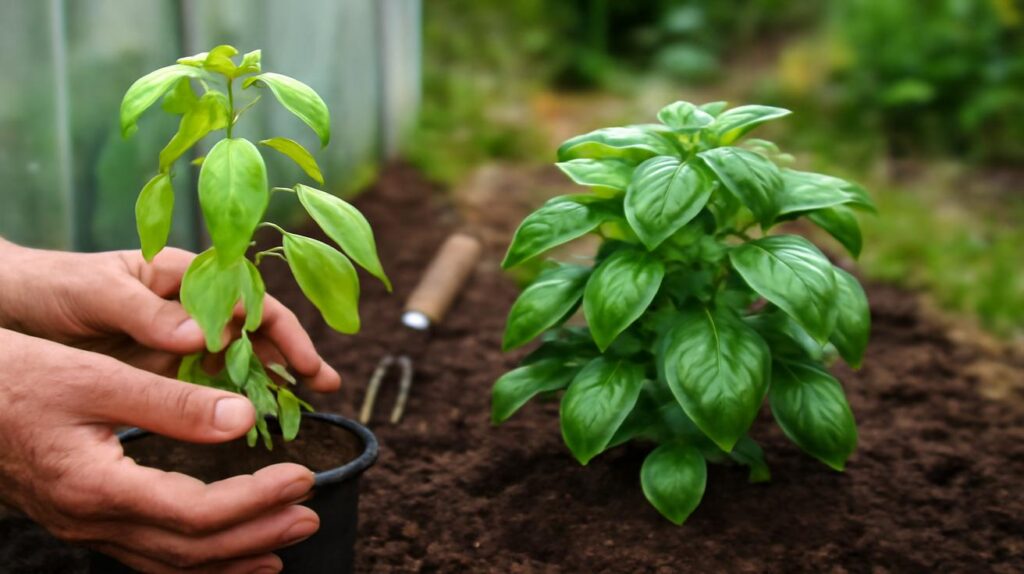
Consider what happens during a typical growing season. Overprotected plants may look healthy initially, but they often fail when faced with:
- Sudden weather changes
- Pest invasions
- Transplant shock
- Natural seasonal transitions
- Competition from hardier plants
The economic impact is real too. Gardeners who overprotect often see lower yields, more plant losses, and higher replacement costs. They may also become discouraged and give up on gardening entirely, missing out on the joy and benefits of growing their own food.
The most successful gardeners I know have learned to be protective when necessary but allow their plants to experience controlled challenges. It’s about finding the right balance.
— Maria Gonzalez, Horticulture Specialist

Building Plant Resilience the Right Way
The solution isn’t to neglect plants entirely, but to provide what experts call “graduated exposure.” This means gradually introducing plants to the stresses they’ll face in their permanent growing environment.
Start with seedlings by giving them short periods of outdoor exposure, gradually increasing the time and intensity. Allow mature plants to experience natural weather patterns instead of rushing to protect them from every challenge. Water deeply but less frequently to encourage strong root development.
Most importantly, remember that some plant stress is not only normal—it’s essential. A plant that sways in the breeze, experiences temperature changes, and occasionally waits for water is developing the resilience it needs for long-term success.

Think of yourself as a plant coach rather than a plant protector. Your job is to help them get stronger, not to shield them from every challenge they’ll eventually face anyway.
— Dr. Kevin Thompson, Sustainable Agriculture Researcher
The most resilient gardens are those where plants have learned to adapt, respond, and thrive despite challenges. By stepping back from overprotection, you’re actually giving your plants the greatest gift possible: the ability to succeed on their own.
FAQs
How do I know if I’m overprotecting my plants?
Signs include weak, spindly stems, shallow root systems, and plants that struggle when moved outdoors or face weather changes.

When should I actually protect plants from stress?
Protect plants from extreme conditions like severe frost, hail, or drought, but allow them to experience normal weather variations.
How long should the hardening process take?
Typically 7-10 days of gradually increasing outdoor exposure helps seedlings adapt to permanent outdoor conditions.
Can overprotected plants recover and build resilience?
Yes, but it takes time. Gradually reduce protection and allow plants to experience controlled stress to help them strengthen.

What’s the difference between helpful protection and overprotection?
Helpful protection shields plants from severe, damaging conditions, while overprotection prevents normal environmental exposure that builds strength.
Do all plants need the same level of hardening?
No, different species have varying tolerance levels, but most benefit from gradual exposure to their intended growing conditions.










Leave a Comment