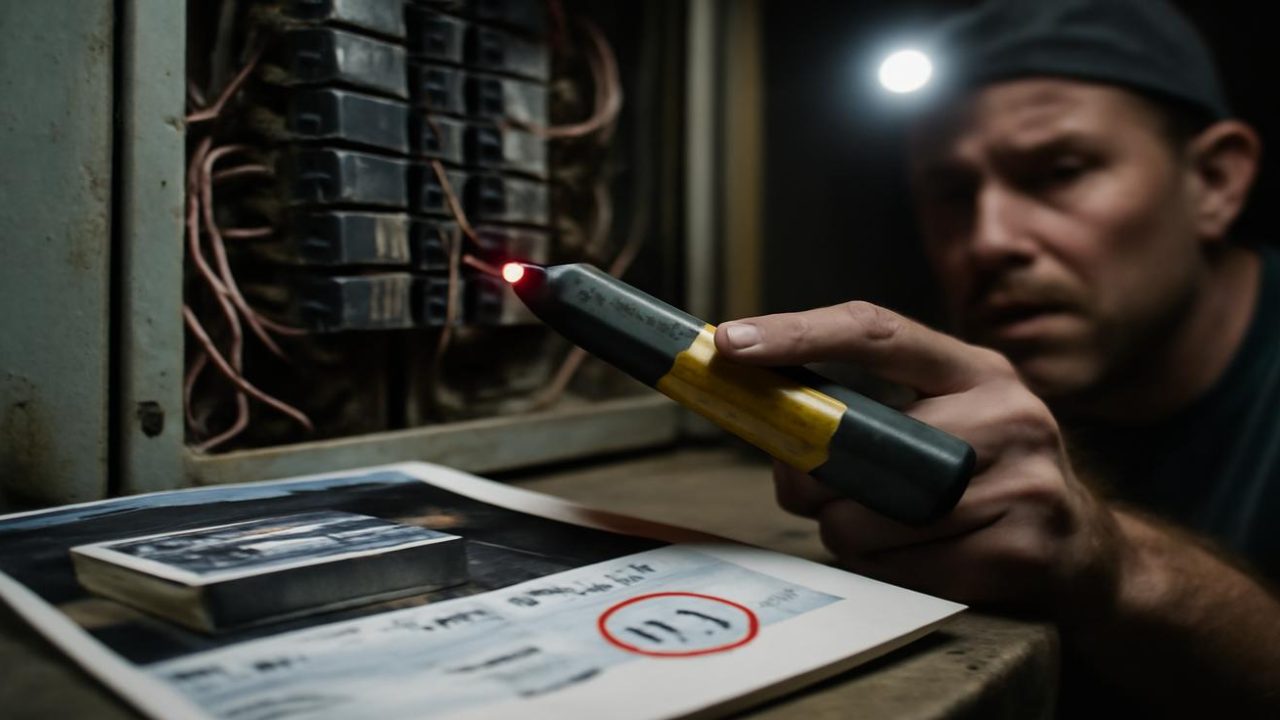
Retired teacher Evelyn Hartwell had dreamed of soaking in her own hot tub for decades. At 60, she finally had the savings and the perfect spot in her backyard. But when the electrician arrived for installation, her excitement turned to shock.
“Ma’am, your electrical panel can’t handle this,” he said, shaking his head at her 20-year-old electrical system. “You’ll need a complete upgrade before we can even think about hooking this up.”
What should have been a $500 installation suddenly became a $3,000 electrical overhaul. Evelyn isn’t alone—she’s part of a growing statistic that reveals a costly oversight many new hot tub owners wish they’d avoided.

The Hidden Electrical Reality Behind Hot Tub Dreams
Recent industry surveys show that 4 out of 10 hot tub owners regret not checking their home’s electrical capacity before making their purchase. This oversight has led to thousands of dollars in unexpected costs and months of delayed relaxation.
Hot tubs aren’t like plugging in a new television. Most residential models require 220-240 volt electrical service with dedicated circuits ranging from 50 to 60 amps. Many homes, especially those built before 2000, simply weren’t designed to handle this kind of electrical load.
The biggest mistake I see is people falling in love with a hot tub at the showroom without considering what’s happening behind their walls at home. It’s like buying a sports car without checking if your garage door is wide enough.
— Marcus Chen, Licensed Electrician

The electrical requirements vary significantly based on the hot tub’s size and features. A basic 4-person spa might need a 40-amp breaker, while a luxury 8-person model with multiple pumps and LED lighting could require 60 amps or more.
What You Need to Know Before You Buy
Understanding your electrical situation upfront can save you from costly surprises and buyer’s remorse. Here’s what every potential hot tub owner should investigate:
| Hot Tub Size | Typical Amp Requirement | Electrical Cost Range |
|---|---|---|
| 2-4 Person | 40-50 Amps | $800-$1,500 |
| 5-6 Person | 50-60 Amps | $1,200-$2,000 |
| 7+ Person | 60+ Amps | $1,500-$3,500 |
Key electrical factors to evaluate include:

- Available space in your electrical panel for new breakers
- Total amperage capacity of your current electrical service
- Distance from your panel to the hot tub location
- Local permit requirements for electrical work
- Whether your home has GFCI protection capabilities
Many homeowners discover their electrical panels are already maxed out with existing appliances, air conditioning, and other high-draw devices. Adding a hot tub often means upgrading from a 100-amp to a 200-amp electrical service—a significant investment.
I always tell customers to call an electrician before they call me. It’s better to know your limitations upfront than to have a beautiful hot tub sitting in your driveway with nowhere to plug it in.
— Jennifer Walsh, Hot Tub Sales Specialist
The Real Cost of Electrical Oversights
The financial impact of electrical unpreparedness extends far beyond the initial sticker shock. Homeowners frequently face a cascade of unexpected expenses that can double their hot tub investment.

Panel upgrades alone typically cost between $1,500 and $4,000, depending on your home’s age and complexity. But that’s just the beginning. Many municipalities require permits for electrical work, adding another $200 to $500 to the bill.
If your hot tub location is far from your electrical panel, trenching and running underground electrical lines can add $10 to $20 per linear foot. A hot tub placed 50 feet from the house could easily add $1,000 in electrical runs.
The most expensive hot tub installation I’ve seen started as a $6,000 spa purchase and ended up costing $12,000 after electrical upgrades, permits, and specialized wiring. The homeowner was devastated.
— Robert Kim, Home Improvement Contractor

Timeline delays create their own frustration. Electrical upgrades often require utility company involvement, which can mean waiting weeks or even months for service upgrades. Some homeowners have watched their hot tubs sit unused through entire seasons while waiting for electrical work to be completed.
Smart Steps for Future Hot Tub Owners
Avoiding electrical regret starts with proactive planning. Smart shoppers are getting electrical evaluations before they even visit hot tub showrooms.
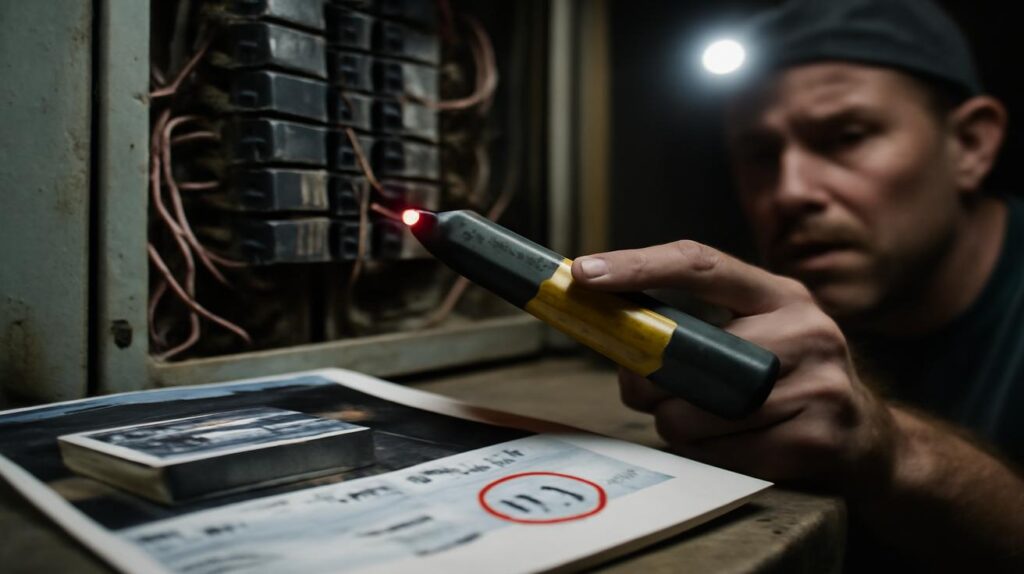
Start by having a licensed electrician assess your current electrical capacity. This $100-$200 consultation can save thousands in surprises later. Ask specifically about:

- Your panel’s available amp capacity
- Space for additional breakers
- Estimated costs for hot tub electrical installation
- Potential need for service upgrades
Consider the total cost of ownership when comparing hot tub models. A $4,000 spa that requires $3,000 in electrical work might be less attractive than a $6,000 model that works with your existing electrical capacity.
The smartest customers bring their electrical assessment to the showroom. They know exactly what they can accommodate, and they budget for the complete installation from day one.
— David Torres, Spa Retailer
Some manufacturers now offer “plug-and-play” models designed for standard 110-volt outlets, though these typically sacrifice heating power and jet performance. For many first-time buyers over 60, these simpler options provide the relaxation they’re seeking without electrical complications.

Planning for Long-Term Enjoyment
The goal isn’t to discourage hot tub ownership—it’s to ensure your investment brings years of enjoyment rather than months of frustration. Proper electrical planning transforms a potential nightmare into a smooth installation process.
Remember that electrical upgrades, while expensive upfront, often add value to your home and improve capacity for other future appliances. Many homeowners find that upgrading their electrical service opens doors for other improvements they’d been considering.
The key is approaching your hot tub purchase as a complete home improvement project, not just buying a luxury item. With proper planning and realistic budgeting, that dream of soaking under the stars can become a reality without the regret that haunts 40% of unprepared buyers.

FAQs
How much does it typically cost to install electrical for a hot tub?
Electrical installation costs range from $800 to $3,500, depending on your home’s current capacity and the hot tub’s requirements.
Can I use my existing electrical panel for a hot tub?
Many homes need electrical panel upgrades to accommodate hot tub power requirements, especially homes built before 2000.
How long does electrical installation take?
Simple installations take 4-8 hours, but panel upgrades can require several days plus utility company scheduling.
Do I need permits for hot tub electrical work?
Most municipalities require electrical permits for hot tub installations, costing $200-$500 depending on your location.
Are there hot tubs that don’t require special electrical work?
Yes, plug-and-play models work with standard 110-volt outlets but offer reduced heating and jet power.
Should I get an electrical assessment before shopping for hot tubs?
Absolutely—a $100-$200 electrical evaluation can prevent thousands in unexpected costs and help you shop within realistic parameters.









Leave a Comment