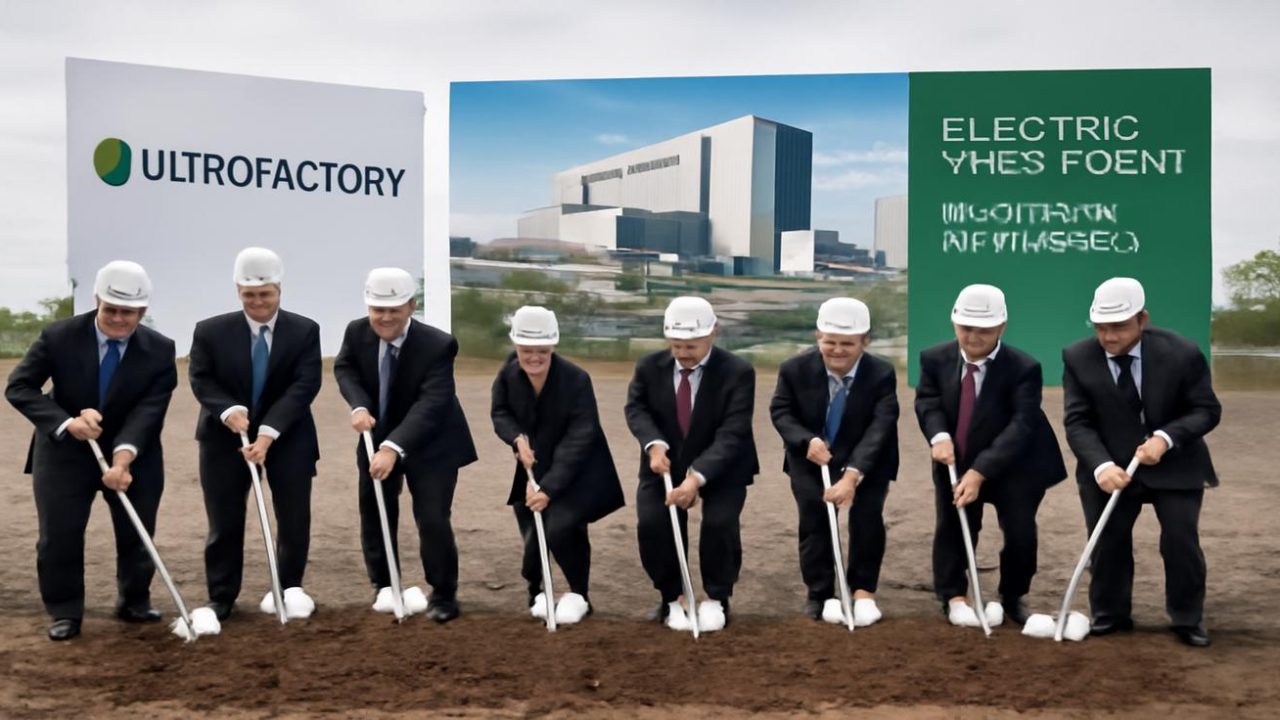
A €500 million factory rising in northern France represents one of the largest bets on a hidden component of the green energy revolution: electric steel. Industry analysts project this specialized material could command a global market worth €57 billion by 2032, driven by the massive electrification of everything from cars to data centers.
The sprawling facility under construction in a once-quiet northern French town sits between farmland and offshore wind turbines, embodying the transition from an agricultural past to an electrified future. Workers in orange vests move through the skeletal framework of what will become a cathedral of precision manufacturing.
This isn’t ordinary steel. Electric steel—also called electrical steel or silicon steel—forms the invisible heart of transformers, motors, and generators that power the modern world’s shift away from fossil fuels.

The Hidden Material Powering Clean Energy
Most people think of steel as a single, unchanging material. But electric steel represents engineering at the molecular level, where tiny adjustments in grain structure and silicon content determine how efficiently electricity flows through power grids and electric motors.
The difference lies in microscopic details that most of us never consider. Silicon and other elements slip into the steel’s crystal lattice in carefully controlled ways. The surface receives special treatment so magnetic domains inside the metal can move more freely, wasting less energy as heat.
These invisible magnetic domains are where billions of euros in investment are now focused. Every electric vehicle motor, wind turbine generator, and grid transformer depends on electric steel’s ability to guide magnetic fields with minimal energy loss.

The new French facility will produce steel sheets so thin they flex with one hand, yet so precisely engineered that microscopic imperfections in grain structure can ruin entire batches. Each sheet gets stamped, slit, annealed, and coated through measured steps that resemble watchmaking at industrial scale.
Why Electric Steel Demand Is Exploding
The €57 billion market projection reflects a fundamental shift in how the world uses energy. Cars, heating systems, heavy industry, and data centers are being rewired for electricity, creating unprecedented demand for components that can handle power efficiently.
Every electric vehicle requires roughly four times more electric steel than a conventional car’s alternator and starter motor. Wind turbines use specialized grades to convert mechanical rotation into electrical current. Data centers powering cloud computing need transformers that can handle massive loads without overheating.

The factory’s location tells this story visually. White wind turbines carve slow circles on distant ridges while the new plant rises between them and traditional farmland. Northern France’s industrial heritage—built on metal fabrication, shipyards, and automotive plants—provides skilled workers familiar with precision manufacturing.
| Application | Electric Steel Requirements | Growth Driver |
|---|---|---|
| Electric Vehicle Motors | 4x more than conventional cars | EV adoption acceleration |
| Wind Turbine Generators | Specialized high-efficiency grades | Offshore wind expansion |
| Grid Transformers | Low-loss core materials | Smart grid infrastructure |
| Data Center Equipment | High-frequency applications | Cloud computing growth |
The Technical Challenge Behind the Investment
At full operation, the French plant will operate more like a precision laboratory than traditional heavy industry. Coils of steel will unwind through ordered production lines where every parameter gets logged and monitored.
The air will smell of oil and warm metal, punctuated by the sharp ozone scent of high-voltage testing bays. This represents a dramatic departure from the smoky, brute-force steelmaking that once defined the region’s industrial landscape.

Quality control happens at the atomic level. The way steel grains align determines magnetic properties. Surface treatments affect how efficiently magnetic fields can reorganize within the material. Temperature profiles during annealing influence the final product’s electrical characteristics.
These manufacturing challenges explain why companies are willing to invest hundreds of millions in specialized facilities. Producing electric steel requires different equipment, processes, and expertise than conventional steel production.
What This Means for Europe’s Energy Independence
The timing of this massive investment reflects Europe’s push for energy independence and manufacturing sovereignty. Rather than importing specialized materials from distant suppliers, the continent is building domestic capacity for critical clean energy components.

Electric steel shortages could bottleneck the entire green transition. Without sufficient supplies of high-quality electrical steel, wind turbine manufacturers face delays. Electric vehicle production slows. Grid modernization projects stall.
The French facility represents a strategic bet that European demand will justify local production. Transportation costs for heavy steel products favor regional manufacturing. Quality control becomes easier when production and assembly happen in proximity.
Local communities benefit from high-skilled manufacturing jobs that leverage existing industrial expertise. The transition from traditional automotive and heavy industry to clean energy manufacturing preserves employment while supporting environmental goals.

The Road to 2032
The €57 billion market projection assumes continued acceleration in electrification across multiple sectors. Electric vehicle adoption, renewable energy deployment, and grid modernization all drive demand for specialized steel products.
But reaching those numbers requires overcoming significant challenges. Raw material costs fluctuate with global commodity markets. Energy-intensive production processes need reliable, affordable electricity. Skilled workforce development takes time.
The French factory’s success will depend on execution of precision manufacturing at scale. Unlike software or services, steel production requires getting physical processes right consistently over years of operation.

Competition comes from established producers in Asia and emerging facilities worldwide. The European facility must prove it can deliver quality and cost competitiveness while meeting growing regional demand.
Frequently Asked Questions
What makes electric steel different from regular steel?
Electric steel contains silicon and other elements that align its crystal structure for efficient magnetic field guidance, reducing energy losses in electrical equipment.
Why is the electric steel market projected to reach €57 billion by 2032?
Growing demand from electric vehicles, wind turbines, grid infrastructure, and data centers drives market expansion as electrification accelerates across industries.

Where exactly is this €500 million factory being built?
The facility is under construction in northern France, positioned between traditional farmland and offshore wind installations.
How much electric steel does an electric vehicle require?
Electric vehicles need approximately four times more electric steel than conventional cars use in alternators and starter motors.
When will the French factory begin production?
The source material does not specify a production start date for the facility currently under construction.
Who is investing in this project?
The specific company or investors behind the €500 million facility have not been identified in available information.










Leave a Comment