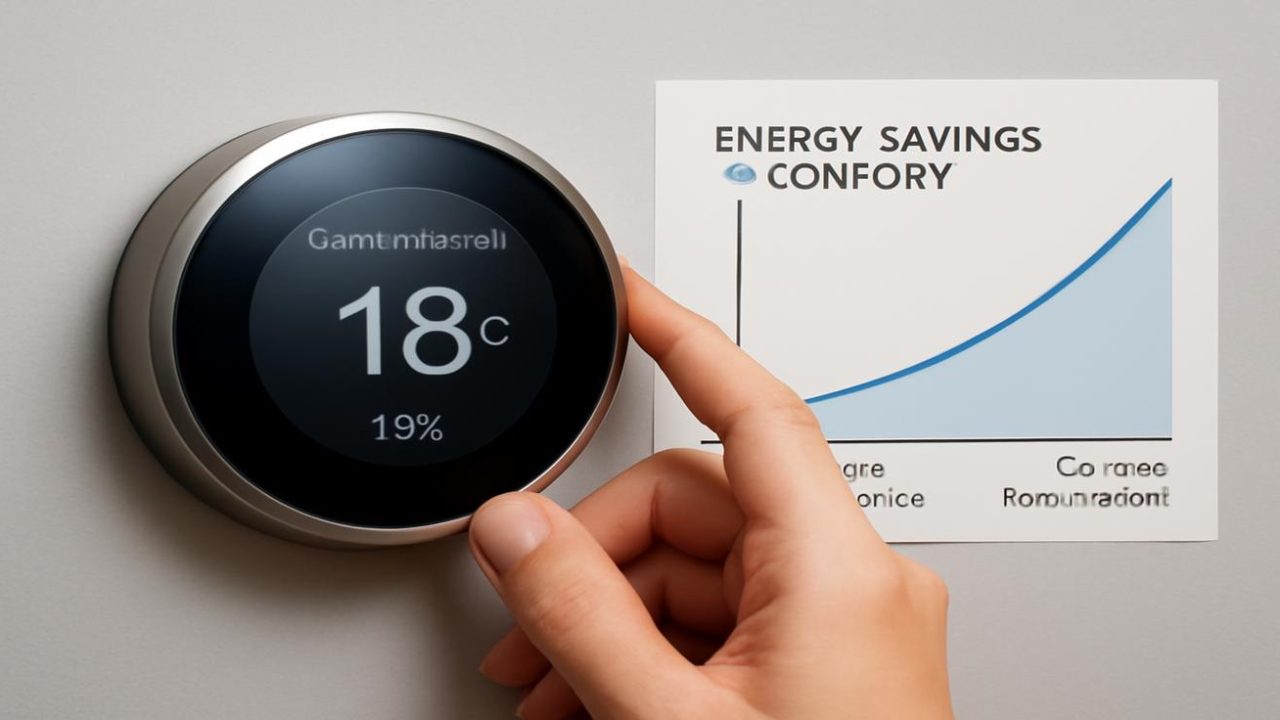
The long-standing rule of keeping your thermostat at 19°C is being challenged by heating experts who argue that one-size-fits-all temperature recommendations no longer make sense for modern homes and diverse living situations.
For years, 19°C has been promoted as the ideal indoor temperature—a number that became synonymous with energy efficiency and environmental responsibility. But this universal standard emerged from energy crises and climate concerns without accounting for the vast differences in home construction, insulation quality, and individual circumstances.
The reality is that a drafty Victorian terrace requires different heating strategies than a well-insulated modern apartment, and personal factors like age, health, and activity levels significantly impact what temperature actually feels comfortable and safe.

Why the 19°C Standard Became Gospel
The 19°C recommendation wasn’t arbitrary—it grew out of practical concerns about energy consumption and environmental impact. Governments, utility companies, and environmental campaigns promoted this single number because it was simple to remember and communicate.
The appeal was obvious: one universal temperature that everyone could adopt as a badge of environmental responsibility. People would proudly mention keeping their homes at 19°C while bundling up in extra sweaters, treating the slight discomfort as proof of their commitment to energy conservation.
This approach made sense during energy crises when reducing consumption was the primary goal. The messaging was clear, unified, and easy to implement across diverse populations and housing types.

But the one-size-fits-all approach ignored crucial variables that determine actual comfort and safety in different homes and for different people.
What Heating Experts Now Recommend Instead
Modern heating recommendations focus on personalized comfort zones rather than rigid temperature targets. Experts now emphasize that effective home heating depends on multiple factors working together.
The shift recognizes that thermal comfort involves more than just air temperature. Factors like humidity levels, air circulation, radiant heat from surfaces, and the thermal properties of your specific building all contribute to how warm a space actually feels.

Key considerations that matter more than hitting exactly 19°C include:
- Building insulation quality and age
- Window efficiency and draft prevention
- Humidity levels in the home
- Personal health and mobility factors
- Time spent in different rooms
- Clothing and bedding choices
Rather than adhering to a single temperature, experts suggest finding your home’s optimal comfort range while maximizing efficiency through proper insulation, smart heating zones, and strategic temperature management.
The Real-World Impact of Rigid Temperature Rules
Sticking religiously to 19°C can create problems that the original recommendation never intended to address. In poorly insulated homes, maintaining exactly 19°C might mean constantly running heating systems inefficiently.

Vulnerable populations—including elderly residents, people with certain health conditions, and families with young children—may need higher temperatures for health and safety reasons that override general energy-saving guidelines.
The rigid approach also ignores modern heating technology that can provide better comfort at lower energy costs through smart thermostats, zoned heating, and improved insulation rather than simply setting a lower temperature.
Some homes achieve better results by heating to 21°C or 22°C in main living areas while keeping unused rooms cooler, rather than maintaining 19°C throughout the entire house.

A More Flexible Approach to Home Heating
The emerging consensus among heating professionals emphasizes efficiency and comfort together rather than temperature targets alone. This means different strategies for different situations.
Well-insulated modern homes might comfortably maintain lower temperatures while older buildings may need higher settings to achieve the same level of warmth due to heat loss through walls, windows, and floors.
Smart heating strategies now focus on:

- Heating occupied rooms to comfortable levels
- Reducing temperatures in unused spaces
- Using programmable thermostats for different times of day
- Improving insulation and draft-proofing before adjusting temperature settings
- Monitoring humidity alongside temperature
The goal shifts from hitting a specific number to creating genuinely comfortable, healthy living spaces while using energy as efficiently as possible for your particular home and circumstances.
What This Means for Your Heating Bills
Moving beyond the 19°C rule doesn’t necessarily mean higher energy costs. In many cases, a more thoughtful approach to heating can reduce bills while improving comfort.
The key is understanding that thermal comfort comes from multiple sources. A home at 21°C with good insulation and controlled humidity might use less energy than a drafty house struggling to maintain 19°C.

Investing in insulation improvements, window sealing, and smart heating controls often provides better long-term results than simply setting the thermostat lower and accepting discomfort.
Modern heating systems work most efficiently when they can maintain steady temperatures rather than constantly cycling on and off to hit rigid targets in poorly designed thermal environments.
Frequently Asked Questions
Is it wasteful to heat my home above 19°C?
Not necessarily—efficiency depends more on your home’s insulation, heating system, and overall energy strategy than hitting a specific temperature target.

What temperature should I actually set my thermostat to?
Focus on what feels comfortable and safe for your household while ensuring your home is properly insulated and draft-proofed first.
Will abandoning the 19°C rule increase my energy bills significantly?
A few degrees higher temperature combined with better insulation and smart heating practices often costs less than maintaining 19°C in an inefficient home.
Are there still benefits to keeping temperatures lower when possible?
Yes, but the focus should be on overall efficiency and comfort rather than rigidly adhering to a single number regardless of circumstances.
What’s the most important factor for efficient heating?
Proper insulation and eliminating drafts typically provide much greater energy savings than temperature adjustments alone.
Should elderly or vulnerable people still follow the 19°C guideline?
Health and safety should take priority over arbitrary temperature targets, with many experts recommending higher temperatures for vulnerable populations.










Leave a Comment