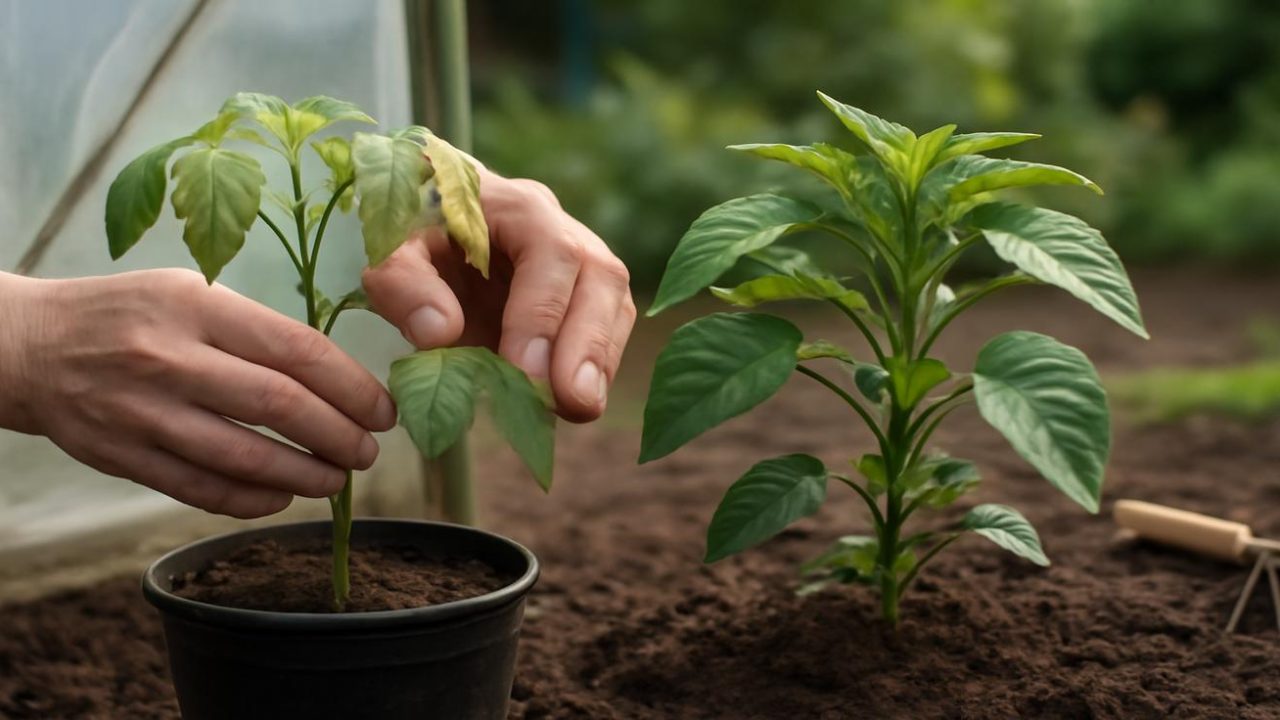
The toughest plants are almost never the most sheltered ones. While gardeners instinctively protect their green companions from every potential threat, this well-meaning care can actually weaken plants’ ability to survive in the real world.
When plants face controlled challenges during their development, they build the resilience needed to thrive long-term. But when we shield them from every difficulty, we inadvertently create beautiful specimens that crumble at the first sign of real-world stress.
This counterintuitive truth reveals why some of our most carefully tended plants fail while wild plants flourish in harsh conditions with no human intervention whatsoever.

How Overprotection Creates Vulnerable Plants
Plants that receive constant pampering develop what gardeners call “softness” — a condition where specimens appear healthy but lack the structural strength and adaptive mechanisms to handle normal environmental stresses.
The process mirrors how muscles weaken without resistance training. When plants never experience wind, their stems don’t develop the thickness and flexibility needed to bend without breaking. When they’re shielded from temperature fluctuations, they can’t regulate their internal processes effectively when conditions change.
Perfect growing conditions — consistent moisture, ideal temperatures, filtered light, and nutrient-rich soil — produce plants that look impressive but perform poorly once transplanted to less controlled environments.

Even brief exposure to normal outdoor conditions can shock pampered plants into decline. A mild breeze that wouldn’t faze a naturally-grown plant can topple seedlings that have never experienced air movement stronger than a gentle fan.
What Wild Plants Teach Us About Resilience
Plants growing in challenging natural environments demonstrate remarkable adaptability. Those thriving in sidewalk cracks, sandy dunes, rocky slopes, and neglected areas have developed survival strategies that protected plants never acquire.
These hardy specimens share common characteristics that result directly from facing environmental pressures:

- Thicker, more flexible stems from regular wind exposure
- Deeper, more extensive root systems from searching for water and nutrients
- Waxy or hairy leaf surfaces that conserve moisture and protect from sun damage
- Compact, efficient growth patterns that conserve energy
- Enhanced ability to recover quickly from physical damage
The key difference lies in how these plants developed. Rather than avoiding stress, they adapted to it, building resilience through gradual exposure to challenging conditions.
| Plant Condition | Overprotected Plants | Naturally Hardened Plants |
|---|---|---|
| Stem Strength | Tall but weak, prone to breaking | Shorter but flexible and strong |
| Root Development | Shallow, dependent on regular watering | Deep and extensive, drought-tolerant |
| Leaf Structure | Large, thin, sensitive to sun damage | Smaller, thicker, UV-resistant |
| Recovery Ability | Slow to recover from any stress | Quick bounce-back from damage |
The Real-World Cost of Plant Overprotection
Gardeners who discover their carefully nurtured plants can’t survive normal conditions often blame themselves, the weather, or bad luck. The reality is that overprotection sets plants up for failure from the start.
This phenomenon affects both indoor and outdoor gardening. Houseplants that never experience natural light variations struggle when moved near windows. Greenhouse-grown transplants often experience severe shock when planted in gardens, even during ideal weather conditions.

The economic impact extends beyond personal gardens. Commercial growers who prioritize perfect appearance over plant resilience may produce specimens that look impressive at purchase but disappoint customers when they fail to thrive after planting.
Professional landscapers increasingly recognize that plants with some “hardening” experience establish better and require less maintenance than those grown in completely controlled environments.
Building Plant Resilience Through Controlled Stress
Effective plant strengthening involves gradually introducing manageable challenges rather than sudden exposure to harsh conditions. This process, known as hardening off, helps plants develop resilience without overwhelming them.

The approach requires balancing protection with exposure. Young plants still need basic care, but they benefit from experiencing natural air movement, temperature variations, and varying light levels as they develop.
Successful hardening strategies include:
- Gradually reducing watering frequency to encourage deeper root growth
- Exposing plants to gentle air movement from fans or brief outdoor periods
- Allowing soil to dry slightly between waterings
- Introducing plants to natural light gradually rather than keeping them in constant filtered conditions
- Permitting plants to experience minor temperature fluctuations
The goal isn’t to stress plants into poor health, but to help them develop the adaptive mechanisms they need for long-term survival and growth.

When Protection Makes Sense and When It Doesn’t
Understanding when to protect plants and when to let them face challenges requires recognizing the difference between harmful extremes and beneficial stress.
Genuine protection remains necessary for young seedlings, plants during extreme weather events, and species grown outside their natural climate zones. However, routine environmental variations that plants would encounter in their native habitats typically strengthen rather than harm them.
The most resilient plants result from what experts call “tough love” — providing essential care while allowing plants to develop their own coping mechanisms through controlled exposure to natural conditions.

This approach produces plants that not only survive transplanting and environmental changes but actually thrive in conditions that would devastate their overprotected counterparts.
Frequently Asked Questions
How can I tell if my plants are becoming “soft” from overprotection?
Look for tall, spindly growth with weak stems, shallow root systems, and plants that wilt or show stress with minor environmental changes.
What’s the difference between necessary protection and overprotection?
Necessary protection shields plants from truly harmful extremes, while overprotection prevents plants from experiencing normal environmental variations they need for proper development.

Can overprotected plants be hardened off successfully?
Yes, but the process must be gradual. Slowly introduce controlled stresses like reduced watering frequency, air movement, and natural light variations over several weeks.
Why do wild plants seem tougher than garden plants?
Wild plants develop resilience by facing environmental challenges from the beginning, building stronger stems, deeper roots, and better stress-response mechanisms than sheltered plants.
Should I stop protecting my seedlings completely?
No, young seedlings still need basic protection from extreme conditions. The key is gradually introducing manageable challenges as they develop rather than maintaining perfect conditions indefinitely.
How long does it take to properly harden off plants?
Most plants benefit from a gradual hardening process lasting 7-14 days, though the exact timing depends on the plant species and growing conditions.











Leave a Comment