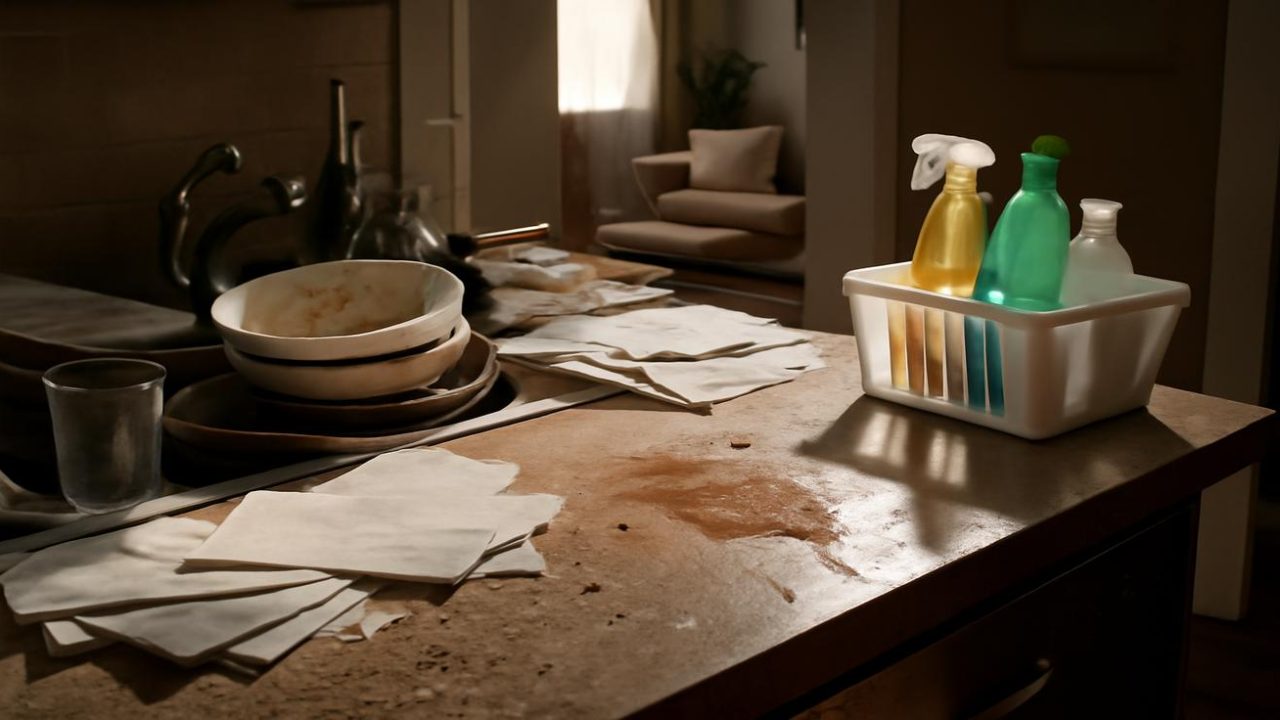
Most cleaning systems fail not because they lack organization or the right products, but because they ignore the small, daily moments when habits quietly decide whether order will stick or chaos will creep back in.
The cycle is painfully familiar: a weekend of intensive cleaning transforms your space into something magazine-worthy, complete with labeled containers and color-coded schedules. By Tuesday, laundry has reclaimed the couch, mail has buried the coffee table, and shoes have somehow marched themselves across the floor.
The problem isn’t your motivation or your system—it’s that most cleaning approaches treat organization as a one-time event rather than a collection of tiny, repeated choices that happen when you’re tired, distracted, or running late.

Why the Deep Clean High Never Lasts
There’s an intoxicating rush that comes with an all-out cleaning session. Music blasting, sleeves rolled up, donation bags gathering by the door—everything feels possible when you’re in the zone of total transformation.
This “one-time fix” mentality feels logical. Clean everything at once, organize it perfectly, and maintain that state going forward. But systems built on sporadic bursts of intense effort consistently crumble because they don’t account for how we actually live day-to-day.
The lemony scent of all-purpose cleaner might linger for a few days, but without addressing the underlying habits that created the mess, the house inevitably “sighs everything back out into clutter and dust.”

Real organization happens in the unremarkable moments: when you walk in the door with your hands full, when you’re getting dressed in a hurry, when you’re too tired to put things away properly. These are the moments when your actual habits—not your aspirational systems—determine what happens next.
The Gap Between Systems and Daily Reality
Most cleaning systems focus on the wrong things. They emphasize containers, labels, and elaborate organizational schemes while ignoring the fundamental question: what happens when life asks you to do something small and ordinary?
Consider these common disconnects between cleaning systems and daily habits:

- Beautiful storage solutions that require extra steps when you’re rushing
- Detailed cleaning schedules that don’t account for unexpected events
- Organizational systems that work when you have time and energy, but fail when you don’t
- Perfect setups that demand maintenance you haven’t built into your routine
The bins, minimalist checklists, and color-coded schedules aren’t inherently wrong—they’re just incomplete. They address the visible symptoms of disorganization without tackling the invisible habits that create those symptoms.
| System Focus | Daily Reality | Result |
|---|---|---|
| Perfect organization | Quick decisions under pressure | System abandonment |
| Detailed schedules | Unpredictable daily demands | Schedule becomes irrelevant |
| Beautiful storage | Need for speed and convenience | Items don’t get put away |
| All-or-nothing cleaning | Limited time and energy | Gradual deterioration |
How Daily Habits Actually Shape Your Space
Your living space is essentially a physical record of your habits played out over time. Every pile of papers, every cluster of shoes by the door, every surface that collects random items—these are all evidence of small decisions made repeatedly.
The key insight is that these decisions happen automatically, especially when you’re distracted or stressed. You don’t consciously choose to drop mail on the counter or leave clothes on the chair—these actions happen below the level of active decision-making.

This is why willpower-based cleaning systems consistently fail. They rely on conscious choice and motivation at precisely the moments when you’re operating on autopilot. When you’re rushing to get ready for work or coming home exhausted, your unconscious habits take over.
Effective cleaning systems work with these automatic behaviors instead of against them. They make the easy choice the organized choice, so your space stays functional even when your conscious attention is elsewhere.
Building Systems That Work With Human Nature
Instead of fighting your natural tendencies, successful cleaning systems channel them. This means designing your space around how you actually behave, not how you think you should behave.

The most sustainable approaches focus on making small adjustments that compound over time. Rather than attempting dramatic overhauls that require constant maintenance, they identify the minimum effective changes that prevent chaos from accumulating.
This might look like placing a basket exactly where you naturally drop your keys, or positioning a small trash can where you typically sort mail. The goal isn’t to change your behavior—it’s to make your existing behavior work for you instead of against you.
The systems that last are almost invisible. They don’t require you to remember complex routines or maintain perfect discipline. Instead, they quietly guide your automatic actions toward outcomes that keep your space functional.

What Actually Prevents System Failure
The most reliable cleaning systems share several characteristics that address the daily habit problem directly:
- They require minimal conscious effort to maintain
- They work even when you’re tired, distracted, or in a hurry
- They account for the specific ways you move through your space
- They focus on preventing accumulation rather than managing it after the fact
These systems recognize that cleaning isn’t really about cleaning—it’s about designing your environment so that disorder doesn’t build up in the first place. They treat organization as an ongoing process of small, automatic actions rather than periodic intensive efforts.
The difference between systems that stick and systems that fail often comes down to a single question: does this work when I’m not thinking about it? If the answer is no, the system will eventually crumble under the weight of daily life.

Frequently Asked Questions
Why do cleaning systems work initially but then fall apart?
Most systems rely on motivation and conscious effort, which naturally decrease over time, while daily habits continue operating automatically.
How long does it typically take for a new cleaning system to fail?
Based on the pattern described, many systems begin deteriorating within days, often becoming noticeably ineffective by the following week.
What’s the biggest mistake people make when organizing their homes?
Focusing on perfect organization tools and schedules while ignoring how they actually behave during busy, stressful, or tired moments.

Can you fix a failing cleaning system without starting over completely?
Yes, by identifying which daily habits are causing the breakdown and making small adjustments to work with those habits instead of against them.
Do expensive organizing products make cleaning systems more likely to succeed?
Not necessarily—the source suggests that having bins, labels, and storage solutions doesn’t prevent system failure if daily habits aren’t addressed.
How do you know if your cleaning system is sustainable long-term?
A sustainable system continues working even when you’re not actively thinking about maintaining it, and it prevents mess from accumulating rather than just managing existing clutter.











Leave a Comment