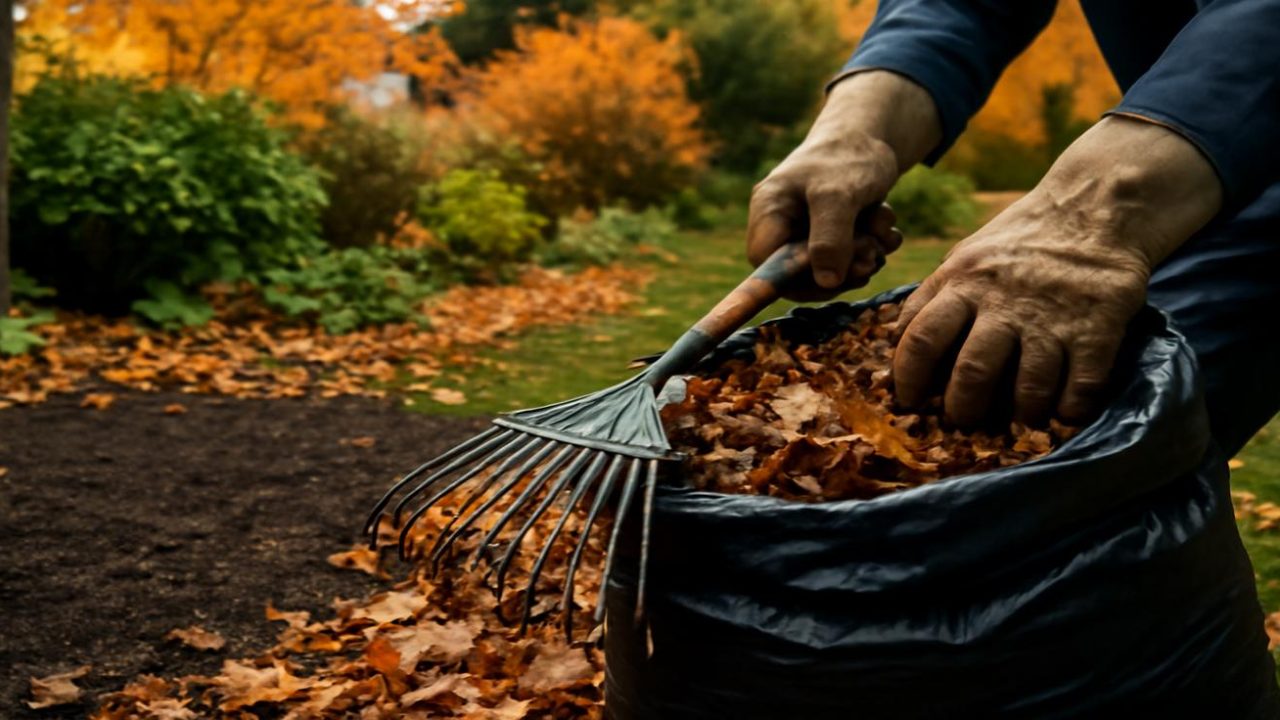
Every autumn, millions of gardeners across the country make the exact same mistake with their fallen leaves — and it’s costing them one of nature’s most valuable free resources.
The moment those first colorful leaves begin carpeting lawns and driveways, an almost reflexive panic sets in. Out come the rakes, leaf blowers, and garbage bags as homeowners rush to clear every last leaf from their property, treating this seasonal gift as nothing more than yard waste to be eliminated.
But gardening experts say this widespread autumn ritual is actually working against the health of our gardens and the environment.

The Universal Autumn Mistake Most Gardeners Make
The mistake happens almost unconsciously. One day you’re admiring the beautiful fall colors, and the next you’ve shifted into full combat mode against the very same leaves.
Gardeners rake massive piles, stuff them into plastic bags, and line them up at the curb like “guilty suspects waiting to be taken away.” Others burn them entirely, as if the year’s growth needs to be erased rather than celebrated.
The driving force behind this behavior is usually a combination of aesthetic concerns and misguided lawn care beliefs. Many homeowners worry that fallen leaves will smother their grass or make their property look unkempt.

This mentality transforms what should be a peaceful seasonal transition into an urgent battle against nature’s own recycling system.
Why Fallen Leaves Are Garden Gold, Not Garbage
Those leaves covering your yard represent months of the tree’s work pulling nutrients from deep in the soil and storing them in leaf tissue. When they fall, they’re essentially delivering a free, slow-release fertilizer directly to your garden.
Fallen leaves provide multiple benefits that gardeners typically pay good money to replicate:

- Natural mulch that retains soil moisture and regulates temperature
- Organic matter that improves soil structure as it decomposes
- Habitat for beneficial insects and soil organisms
- Protection for plant roots during winter months
- Gradual nutrient release that feeds plants throughout the growing season
The decomposition process also creates rich humus, the dark, crumbly organic matter that makes soil fertile and helps it retain both nutrients and water.
By bagging and removing leaves, gardeners are essentially paying to throw away valuable soil amendments they’d otherwise purchase at garden centers.
The Environmental Cost of Leaf Removal
The environmental impact of widespread leaf removal extends far beyond individual gardens. When leaves are collected as municipal waste, they typically end up in landfills where they decompose anaerobically, producing methane — a greenhouse gas significantly more potent than carbon dioxide.

The process also requires fossil fuels for collection trucks and waste processing, turning what should be a carbon-neutral natural cycle into a contributor to environmental problems.
Additionally, the widespread use of gas-powered leaf blowers creates both air and noise pollution in residential neighborhoods. These machines can produce sound levels exceeding 75 decibels and emit particulates that affect air quality.
| Leaf Management Method | Environmental Impact | Garden Benefit | Cost to Homeowner |
|---|---|---|---|
| Bag and remove | High (landfill waste, transport emissions) | None | High (bags, disposal, replacement mulch) |
| Mulch in place | Positive (carbon sequestration) | High (soil improvement, moisture retention) | None |
| Compost | Positive (waste reduction) | High (rich soil amendment) | Low (initial setup only) |
Better Ways to Handle Your Autumn Leaves
The solution isn’t to let leaves pile up indefinitely, but rather to work with them strategically. Here are approaches that benefit both your garden and the environment:

Mulch them in place: Run a mower over leaves to chop them into smaller pieces that will decompose faster and won’t mat down as heavily on grass.
Move them to garden beds: Rake leaves from lawn areas and spread them around trees, shrubs, and perennial beds where they’ll provide winter protection and spring nutrients.
Create a compost system: Leaves are an excellent “brown” component for compost piles, balancing out nitrogen-rich “green” materials like kitchen scraps.

Make leaf mold: Simply pile leaves in a corner of your yard and let them decompose naturally. In 6-12 months, you’ll have rich, dark compost that rivals expensive soil amendments.
For areas where you do need to remove leaves completely, such as heavily trafficked walkways or dense accumulations that might harbor pests, consider whether neighbors or local gardening groups might want them for their own composting projects.
Changing the Autumn Mindset
The key to breaking the autumn leaf removal habit is shifting perspective from seeing leaves as a problem to recognizing them as a resource.

This doesn’t mean abandoning all yard maintenance, but rather working with natural processes instead of against them. Many of the most successful organic gardeners rely heavily on fallen leaves as a cornerstone of their soil management strategy.
The aesthetic concerns that drive leaf removal often stem from outdated ideas about what constitutes a “well-maintained” yard. Increasingly, landscaping trends favor more natural approaches that support local ecosystems while reducing maintenance requirements.
Some municipalities have begun recognizing the environmental benefits of keeping organic matter local, offering programs that turn collected leaves into municipal compost rather than sending them to landfills.

Frequently Asked Questions
Won’t leaving leaves on my lawn kill the grass?
A thick mat of whole leaves can block sunlight and air circulation, but chopped leaves or moderate amounts will decompose and actually feed the grass.
Do fallen leaves attract pests or rodents?
While any ground cover can provide habitat for small creatures, leaves typically don’t create pest problems when managed properly and not left in huge piles against buildings.
How long does it take for leaves to decompose naturally?
Whole leaves can take 6-12 months to break down completely, while chopped or shredded leaves decompose much faster, often within a single growing season.
Are some types of leaves better than others for garden use?
Most deciduous tree leaves work well, though some like oak and maple are particularly valuable. Avoid leaves from black walnut trees, which can inhibit plant growth.
What if my neighborhood has rules about leaf removal?
Many communities are updating their regulations to allow more natural landscaping practices, but check local ordinances and consider discussing alternatives with homeowners associations.
Can I use leaves from trees that had disease problems?
It’s generally better to remove and dispose of leaves from trees that showed signs of fungal diseases or pest infestations to prevent spreading problems to healthy plants.











Leave a Comment