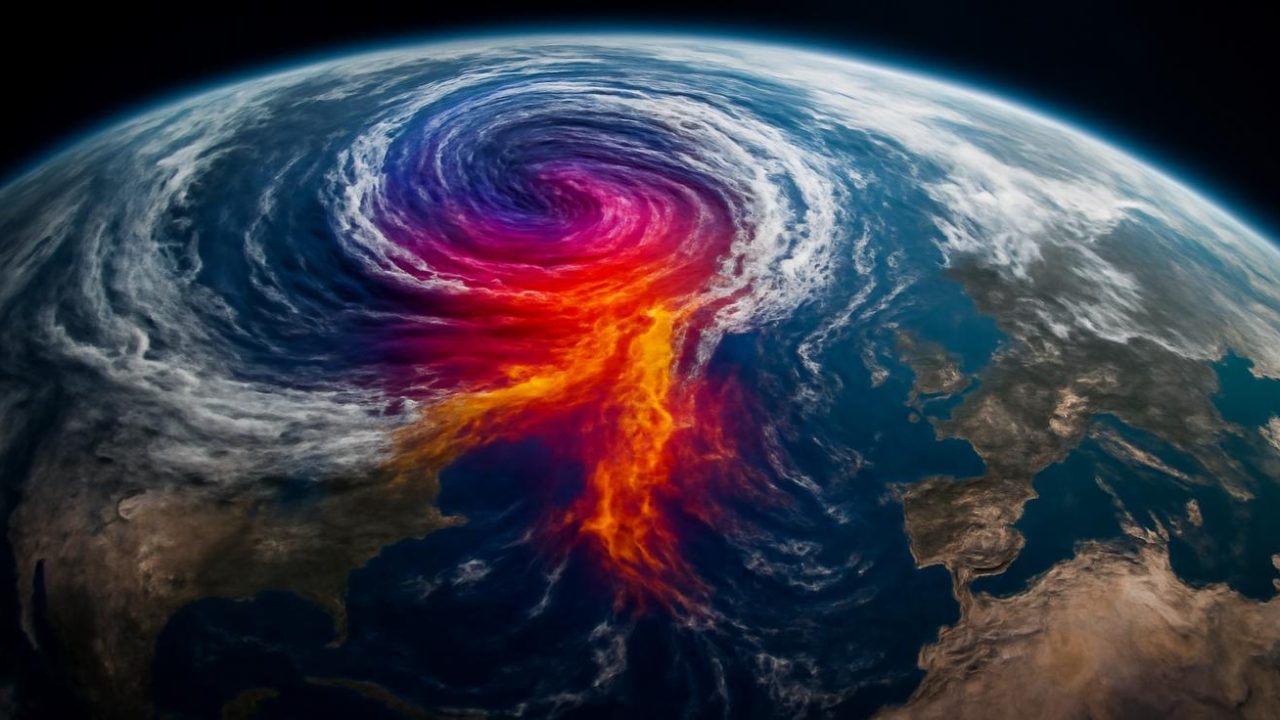
High above the Arctic, an invisible fortress of spinning air that helps keep winter locked in place is beginning to crack apart—and atmospheric scientists say this March’s polar vortex disruption is happening with unusual intensity.
The polar vortex, a massive ring of cold air that normally circles the North Pole like a patient shepherd corralling frigid temperatures, is wobbling and tearing in ways that have experts raising eyebrows. While most people go about their daily routines—walking dogs in light jackets, watching puddles glint in early March sunlight—this atmospheric drama playing out miles overhead is almost certain to affect weather patterns across much of the planet.
This isn’t your typical late-winter weather event. The disruption approaching this March appears to be exceptionally strong, setting it apart from the more predictable seasonal shifts that usually mark the transition from winter to spring.

What Makes This Polar Vortex Event So Unusual
To understand why scientists are paying close attention, imagine standing on a frozen lake north of the Arctic Circle during polar night. The air bites at exposed skin, snow squeaks underfoot, and far above—beyond even the brightest stars—a massive ring of wind races around the pole at tremendous speeds.
This is the polar vortex in its normal state: a cold, spinning fortress of air that acts as nature’s containment system for Arctic temperatures. Most winters, this system holds strong and stays relatively circular, keeping the coldest air locked up north while the rest of the world experiences more predictable weather patterns.
But when the vortex begins to weaken, wobble, or split apart, those carefully contained Arctic temperatures can spill southward like water breaching a dam. The result often means sudden temperature drops, unexpected storms, and weather patterns that seem to defy seasonal expectations.

The current disruption stands out because of its timing and intensity. March events are less common than the winter disruptions that occasionally send polar air streaming into lower latitudes during December, January, or February.
The Science Behind Polar Vortex Disruptions
The polar vortex operates like a high-altitude river of air, flowing in a roughly circular pattern around the Arctic. When this system remains strong and stable, it acts as a barrier that keeps extremely cold air contained over the polar regions.
Disruptions occur when atmospheric waves—often triggered by weather patterns thousands of miles away—travel upward and interfere with the vortex’s circulation. These waves can stretch, distort, or even split the vortex into multiple pieces.

Key characteristics of polar vortex disruptions include:
- Sudden weakening of the circular wind pattern
- Temperature increases high in the Arctic atmosphere
- Potential for the vortex to split into two or more pieces
- Release of Arctic air masses toward lower latitudes
- Effects that can persist for weeks or even months
The strength of this March event has caught the attention of atmospheric scientists who regularly monitor these patterns. The intensity suggests that any resulting weather impacts could be more significant than typical late-winter disruptions.
| Normal Polar Vortex | Disrupted Polar Vortex |
|---|---|
| Circular, stable wind pattern | Stretched, wobbling, or split |
| Cold air contained over Arctic | Arctic air spills toward lower latitudes |
| Predictable seasonal weather | Sudden temperature drops possible |
| Strong atmospheric barrier | Weakened containment system |
Why This Matters for Weather Patterns
When the polar vortex weakens or splits, the effects ripple through weather systems across much of the Northern Hemisphere. The most immediate impact often involves temperature patterns that seem to flip normal seasonal expectations.
Regions that should be experiencing typical March weather—gradually warming temperatures and the first hints of spring—might instead face sudden cold snaps. Meanwhile, areas that normally remain cold could see unusually warm conditions as the disrupted circulation patterns redirect air masses in unexpected directions.
The timing of this disruption makes it particularly noteworthy. March typically marks a transition period when many regions begin their shift from winter to spring weather patterns. A strong polar vortex event during this time can either accelerate, delay, or completely scramble those seasonal changes.
For people living in mid-latitude regions—which includes most of North America, Europe, and northern Asia—the practical effects might include sudden temperature swings, unexpected storms, or weather that simply doesn’t match what the calendar suggests should be happening.

What the Atmospheric Data Shows
Scientists monitor polar vortex behavior using a combination of satellite data, atmospheric measurements, and computer models that track wind patterns high above the Earth’s surface. The current event is registering as exceptionally strong across multiple measurement systems.
The disruption appears to be affecting the vortex’s structure in ways that suggest a major breakdown of its normal circulation pattern. When atmospheric scientists describe an event as raising “expert eyebrows,” it typically means the data shows conditions that fall well outside normal ranges.
Charts that usually display relatively stable, circular patterns are instead showing the telltale signs of a vortex under stress: elongated shapes, multiple centers of circulation, or complete fragmentation of what should be a unified system.

These changes in the upper atmosphere often precede noticeable weather impacts at ground level by days or weeks, which is why scientists track them so carefully. The current data suggests that whatever effects emerge from this disruption are likely to be significant and potentially long-lasting.
What Happens Next
Polar vortex disruptions don’t follow a single predictable pattern. Some events result in dramatic cold outbreaks that send temperatures plummeting across large regions. Others might cause more subtle but persistent changes in weather patterns that unfold over several weeks.
The strength of this March event suggests that its effects will likely be noticeable rather than subtle. However, predicting exactly where and when those impacts will occur requires ongoing analysis as the disruption continues to evolve.

Weather patterns influenced by polar vortex events can persist for weeks or even months after the initial disruption occurs. This means that even as spring officially arrives and daylight hours increase, the atmospheric effects of this March breakdown could continue influencing temperature and storm patterns well into the season.
For anyone wondering whether that light jacket will be sufficient in the coming weeks, the answer may depend on how this exceptionally strong polar vortex disruption ultimately plays out across the complex system of global weather patterns.
Frequently Asked Questions
What exactly is the polar vortex?
The polar vortex is a large area of cold air and low pressure that normally circulates around the Arctic, acting like a spinning fortress that keeps winter air locked in place over the polar regions.

How often do polar vortex disruptions happen?
Disruptions occur periodically throughout winter, but March events are less common than those happening earlier in the winter season, which makes this event particularly noteworthy.
Will this definitely cause cold weather where I live?
The specific regional impacts depend on how the disruption evolves and local weather patterns, though the exceptional strength of this event suggests noticeable effects are likely across mid-latitude regions.
How long do the effects of polar vortex disruptions last?
Effects can persist for weeks or even months after the initial disruption, potentially influencing weather patterns well beyond the immediate aftermath of the event.
Is this related to climate change?
Can scientists predict exactly what weather changes will occur?
While scientists can track the disruption as it develops, predicting precise regional impacts requires ongoing analysis as atmospheric conditions continue to evolve.








Leave a Comment