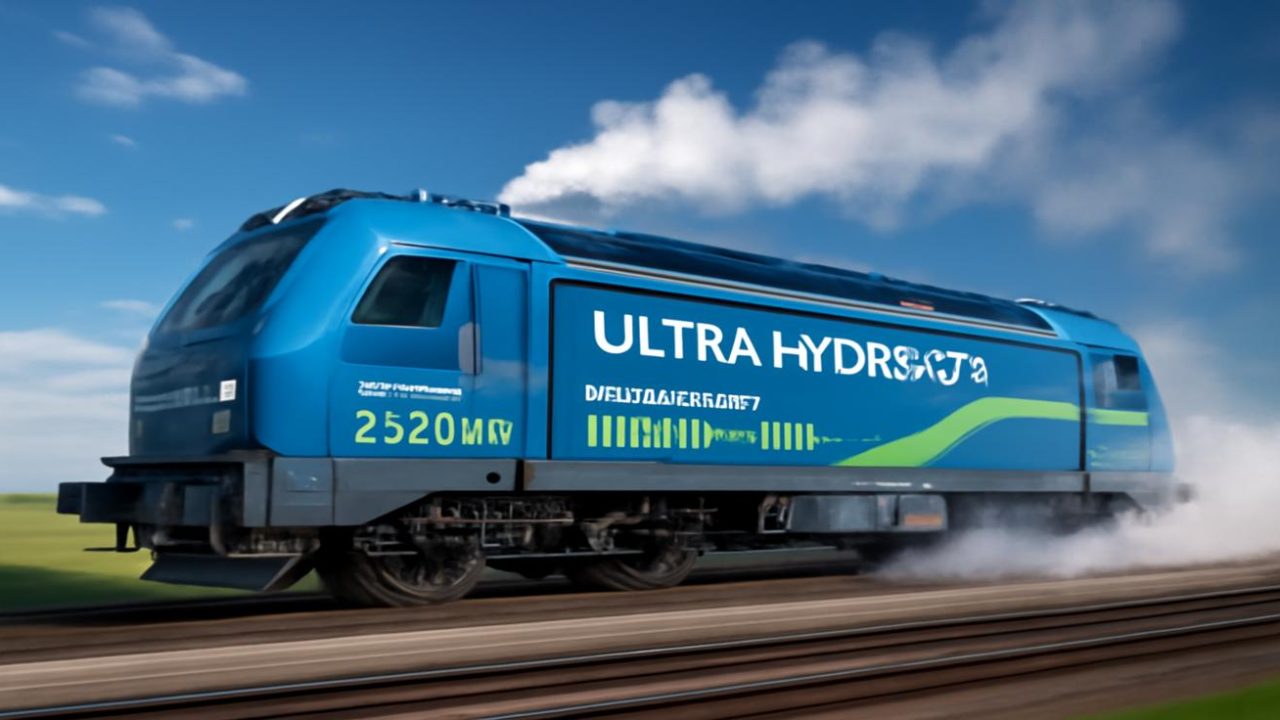
A hydrogen locomotive has just set a new world record as the most powerful of its kind, marking a significant milestone in the global race for next-generation rail technology. While China dominates headlines with its extensive high-speed rail networks spanning over 40,000 kilometers, another nation is quietly positioning itself as a formidable competitor in the future of transportation.
The breakthrough represents more than just technological achievement. It signals a strategic shift in how countries are approaching sustainable rail transport, with hydrogen emerging as a clean alternative to traditional diesel engines and electric systems.
This development comes at a time when the world is desperately seeking cleaner transportation solutions, and the rail industry is under increasing pressure to reduce its carbon footprint while maintaining efficiency and power.

The Hydrogen Revolution in Rail Transport
Hydrogen-powered trains operate fundamentally differently from their diesel counterparts. Instead of burning fossil fuels, these locomotives use hydrogen fuel cells to generate electricity, producing only water vapor as a byproduct.
The technology offers several advantages over traditional rail systems. Hydrogen trains can operate on existing rail infrastructure without the need for extensive electrification, making them particularly valuable for remote or rural routes where installing overhead power lines would be prohibitively expensive.
Unlike battery-powered alternatives, hydrogen locomotives can refuel quickly and maintain consistent power output over long distances. This makes them ideal for heavy freight operations and long-haul passenger services where traditional electric trains might face limitations.

The recent record-setting locomotive demonstrates that hydrogen technology has matured to the point where it can compete directly with conventional diesel engines in terms of raw power, while offering superior environmental performance.
Key Technical Specifications and Capabilities
The world’s most powerful hydrogen locomotive represents a significant engineering achievement, though specific technical details remain limited in available reports. What is clear is that this breakthrough addresses one of the main criticisms of hydrogen rail technology: insufficient power for heavy-duty applications.
Key advantages of hydrogen locomotive technology include:

- Zero direct emissions during operation
- Quiet operation compared to diesel engines
- Ability to operate on non-electrified tracks
- Quick refueling compared to battery charging
- Consistent power output regardless of distance
- Lower maintenance requirements than diesel engines
The technology also offers operational flexibility that traditional electric trains cannot match. Hydrogen locomotives can operate seamlessly across different rail networks without requiring extensive infrastructure modifications.
| Technology Type | Emissions | Infrastructure Needs | Refuel Time |
|---|---|---|---|
| Diesel | High CO2, NOx | Minimal | 15-30 minutes |
| Electric | Varies by grid | Extensive overhead lines | N/A |
| Hydrogen | Water vapor only | Refueling stations | 15-20 minutes |
Global Competition and Strategic Implications
China’s dominance in rail technology has been built primarily on high-speed passenger rail and maglev systems. The country has invested heavily in electrified networks and has become the global leader in high-speed rail deployment.
However, hydrogen technology represents a different approach to the future of rail transport. While China has focused on speed and electrification, other nations are betting that hydrogen’s flexibility and environmental benefits will prove more valuable in the long term.

This technological divergence reflects broader strategic differences in how countries view the future of transportation. Hydrogen advocates argue that the technology’s ability to work with existing infrastructure makes it more practical for global adoption than systems requiring extensive new construction.
The record-setting locomotive demonstrates that hydrogen technology has reached a level of maturity where it can compete directly with established rail technologies, potentially reshaping the global competitive landscape.
Environmental and Economic Impact
The environmental implications of widespread hydrogen locomotive adoption could be substantial. Rail transport already offers significant environmental advantages over road and air transport, but hydrogen technology could make trains even cleaner.

The economic impact extends beyond environmental benefits. Hydrogen locomotives could make rail transport viable in regions where electrification is economically unfeasible, potentially expanding rail networks in developing countries and remote areas.
For freight operations, hydrogen technology offers the possibility of maintaining heavy-haul capabilities while meeting increasingly strict environmental regulations. This could help rail transport capture market share from trucking, which currently dominates freight transport in many regions.
The technology also creates new industrial opportunities, from hydrogen production and storage to locomotive manufacturing and maintenance services.

What Happens Next in Hydrogen Rail Development
The successful demonstration of the world’s most powerful hydrogen locomotive marks a crucial milestone, but several challenges remain before widespread adoption becomes feasible.
Infrastructure development represents the most immediate hurdle. Hydrogen refueling stations must be built along rail networks, and hydrogen production and distribution systems need significant expansion to support large-scale rail operations.
Cost considerations also play a crucial role. While hydrogen locomotives offer operational advantages, the initial investment in new technology and infrastructure remains substantial compared to continuing with existing diesel systems.

Regulatory frameworks will need to evolve to accommodate hydrogen rail technology, including safety standards and operational procedures specific to hydrogen-powered trains.
The success of this record-setting locomotive will likely accelerate development programs worldwide, as other countries and companies seek to match or exceed these capabilities.
Frequently Asked Questions
What makes this hydrogen locomotive a world record holder?
It has been identified as the world’s most powerful hydrogen locomotive, though specific power output figures have not been disclosed in available reports.

Which country developed this record-setting locomotive?
How do hydrogen trains compare to electric trains environmentally?
Hydrogen trains produce only water vapor during operation, while electric trains’ environmental impact depends on how the electricity is generated.
Can hydrogen locomotives use existing rail infrastructure?
Yes, hydrogen locomotives can operate on existing tracks without requiring overhead electrification, though they need hydrogen refueling stations.
When will hydrogen trains become commercially widespread?
This timeline has not been specified in available information, as it depends on infrastructure development and regulatory approval processes.
What are the main advantages of hydrogen over diesel locomotives?
Hydrogen locomotives offer zero direct emissions, quieter operation, and potentially lower maintenance requirements compared to diesel engines.











Leave a Comment