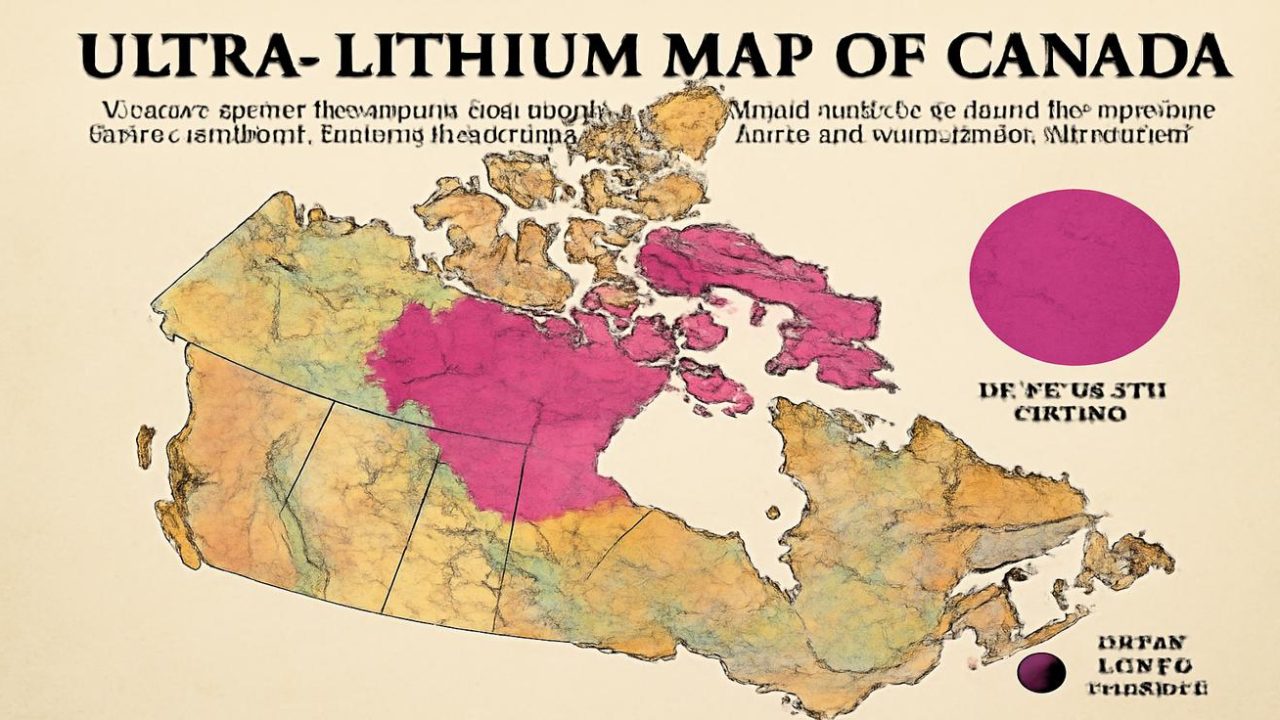
Deep beneath the frozen landscape of northern Canada lies what researchers describe as an almost inexhaustible reserve of lithium—the pale, silvery metal that powers our smartphones, electric vehicles, and the batteries central to reducing our dependence on fossil fuels. This discovery could quietly thrust Canada into the center of a global technological revolution.
The find sits in ancient rock formations that predate most life on Earth, formed by billions of years of geological forces that have folded, cracked, and transformed the crust beneath Canada’s northern wilderness. Unlike gold or other precious metals that announce their presence visibly, lithium doesn’t glitter or flash—it hides in plain sight within rock and brine deposits.
For anyone who has flown over northern Canada in winter, the landscape appears untouched: spruce forests, ice-covered lakes, and low mountains stretching endlessly under vast skies. But beneath this frozen silence, the Earth holds chemical treasures that could reshape how we power our modern world.

Why This Lithium Discovery Matters for Global Technology
Lithium has become the backbone of modern energy storage technology. Every electric car battery, smartphone, laptop, and grid-scale energy storage system relies on this unassuming metal to store and release electrical energy efficiently.
The newly identified Canadian reserve represents more than just another mining opportunity. It signals a potential shift in global supply chains that have historically depended on a handful of countries for lithium production. Currently, the majority of the world’s lithium comes from South America’s “lithium triangle” and Australia, making supply chains vulnerable to geopolitical tensions and transportation challenges.
Canada’s northern location and political stability could provide a more secure source of this critical material. The reserve’s size—described as almost inexhaustible—suggests it could supply lithium needs for decades or even centuries, depending on extraction methods and global demand growth.

The timing couldn’t be more significant. As governments worldwide push for electric vehicle adoption and renewable energy storage, lithium demand is projected to increase exponentially over the next two decades.
The Geology Behind Canada’s Lithium Treasure
The Canadian lithium deposit exists within some of Earth’s oldest geological formations. These rocks formed during the Precambrian era, when the planet’s surface looked dramatically different from today. Over billions of years, intense heat, pressure, and chemical processes concentrated lithium in specific locations.
Unlike surface deposits that are easily visible, this reserve lies deep underground, requiring sophisticated extraction techniques. The lithium exists in rock that was “battered and reheated long before mammals scurried beneath the feet of dinosaurs,” highlighting the ancient origins of this modern energy solution.

The geological processes that created this deposit involved the movement of lithium-rich fluids through cracks and fractures in the bedrock. Over millions of years, these fluids deposited lithium in concentrated pockets, creating the reserve that researchers have now identified.
| Geological Feature | Significance for Lithium Formation |
|---|---|
| Precambrian Shield Rock | Provides stable foundation for mineral concentration |
| Ancient Fracture Systems | Allowed lithium-rich fluids to move and concentrate |
| Billions of Years of Heat/Pressure | Created ideal conditions for lithium deposit formation |
| Deep Underground Location | Protected deposits from surface erosion and weathering |
What This Means for Electric Vehicle Production
The automotive industry is watching lithium supplies closely as manufacturers race to produce millions of electric vehicles annually. Each electric car battery requires significant amounts of lithium, and current production struggles to meet growing demand.
A stable, large-scale lithium source in Canada could help automakers secure long-term supply contracts, potentially reducing battery costs and making electric vehicles more affordable for consumers. The reserve’s proximity to major North American manufacturing centers could also reduce transportation costs and supply chain complexity.

Battery manufacturers have been diversifying their supply sources to avoid disruptions. A Canadian lithium reserve offers geographic and political advantages that could make it attractive to companies seeking reliable, long-term partnerships.
The discovery also supports North American efforts to build domestic supply chains for critical battery materials. Rather than depending entirely on overseas sources, the automotive industry could develop more localized production networks.
Challenges in Accessing Canada’s Lithium Reserve
Despite the promise of an almost inexhaustible supply, extracting lithium from northern Canada presents significant challenges. The harsh climate, remote location, and deep underground deposits will require substantial infrastructure investment and advanced mining techniques.

Winter temperatures in northern Canada can drop well below freezing for months, making year-round operations difficult and expensive. Mining companies will need to develop specialized equipment and procedures to work in these extreme conditions.
The remote location means building roads, power systems, and worker housing from scratch. Unlike mines near existing cities, this operation would require creating an entire industrial infrastructure in wilderness areas.
Environmental considerations will also play a crucial role in development plans. The pristine northern landscape requires careful planning to minimize ecological impact while extracting the lithium needed for clean energy technologies.

Transportation presents another hurdle. Moving equipment to the site and lithium products to market will require new logistics networks capable of operating in challenging northern conditions.
The Future of Canada’s Lithium Industry
This discovery positions Canada to become a major player in the global lithium market, but development will take years to reach full production. Mining companies must first conduct detailed geological surveys, obtain permits, and build the necessary infrastructure.
The timeline from discovery to commercial production typically spans 5-10 years for major mining projects, particularly in remote locations with challenging conditions. However, the scale of this reserve suggests it could justify the substantial investment required.

Success could transform Canada’s role in the global clean energy transition. Instead of importing lithium for domestic battery production, Canada could become a major exporter to international markets.
The project could also create thousands of jobs in mining, transportation, and support services, bringing economic development to northern communities while supporting the global shift toward sustainable energy systems.
Frequently Asked Questions
Where exactly is this lithium reserve located in Canada?
The reserve is located in northern Canada, buried deep beneath the frozen landscape in ancient rock formations, though specific coordinates have not been publicly detailed.

How much lithium does this reserve actually contain?
The reserve is described as “almost inexhaustible,” but specific tonnage figures have not yet been confirmed through detailed geological surveys.
When will mining operations begin?
Commercial mining timelines have not been announced, as the project will require extensive planning, permitting, and infrastructure development first.
How will this affect lithium prices globally?
The long-term impact on prices will depend on extraction costs, production timelines, and global demand growth, none of which have been determined yet.
What environmental protections will be in place?
Specific environmental safeguards have not yet been detailed, as the project is still in early discovery phases.
Could this make Canada a major lithium exporter?
The reserve’s size suggests Canada could become a significant global supplier, but this will depend on successful development and market conditions.









Leave a Comment