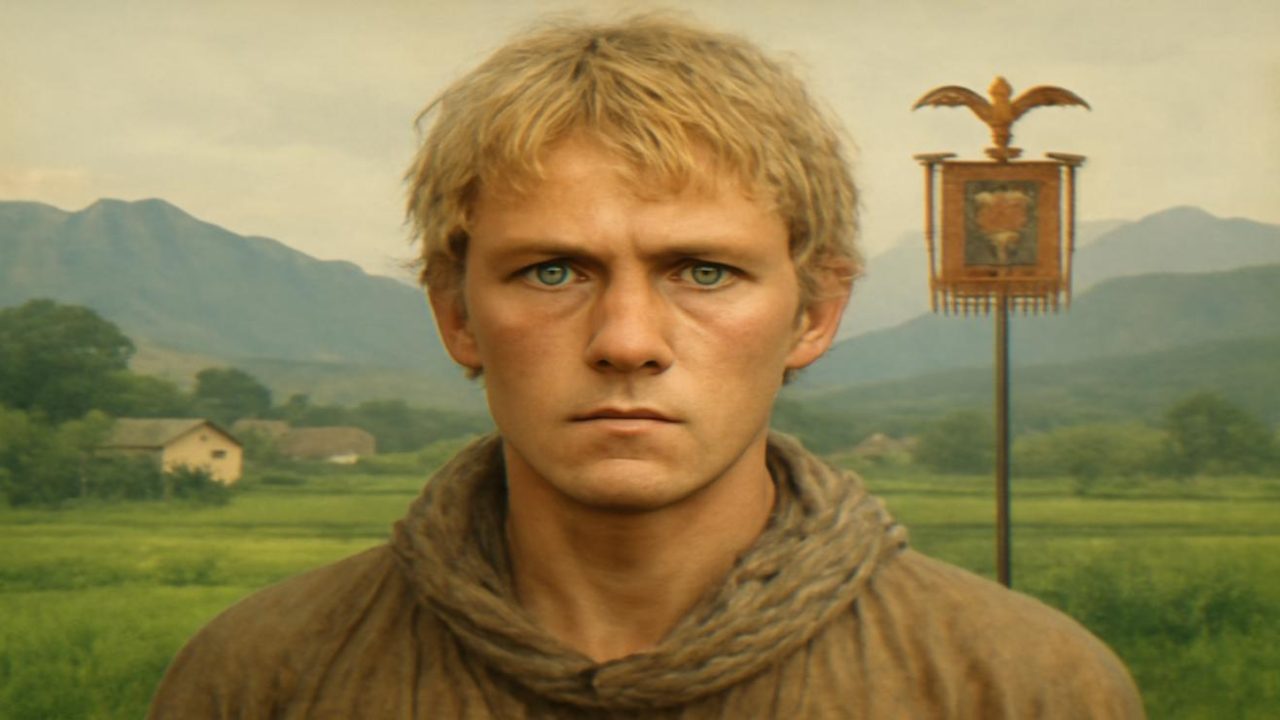
A small village in China’s remote Gansu province has become the unlikely center of one of history’s most intriguing mysteries: could residents with European features be the descendants of Roman soldiers who vanished 2,000 years ago?
In Liqian village, scattered throughout the community are faces that seem to tell an impossible story. Children with sandy hair and green eyes play beside traditional mud-brick walls. Farmers with prominent noses and deep-set eyes work fields under the vast northwestern sky. For generations, these residents have carried both the burden and pride of a theory that connects their remote corner of China to the lost legions of ancient Rome.
Recent DNA analysis has added scientific weight to the legend, revealing traces of European ancestry among the population and keeping this extraordinary East-meets-West mystery alive.

The Village Where Two Worlds Collide
Liqian sits in the Hexi Corridor, a landscape of browns and ochres where the modern world feels distant. Gansu province has always served as a passageway—a place where caravans, armies, and ideas have moved between East and West for millennia.
The village appears unremarkable at first glance. Children play beside courtyard walls while the air carries the scent of dust and steaming noodles from nearby kitchens. Women hang laundry against a sky so expansive it creates its own landscape.
But closer inspection reveals what has puzzled visitors for decades. Among the residents are individuals whose physical features—light-colored eyes, fair hair, and facial structures—don’t match typical expectations for rural northwestern China. These distinctive characteristics have made Liqian the subject of intense speculation and scientific study.

For the villagers themselves, the attention brings both pride and a strange disconnect from their daily lives of farming and surviving harsh winters. The question that hangs over their community like the ever-present dust is whether they represent a living link to one of history’s greatest military mysteries.
The Lost Legion That Marched Into Legend
The story begins thousands of kilometers away on an ancient battlefield. In 53 BCE, Roman general Crassus led his legions into catastrophic defeat at the Battle of Carrhae against Parthian forces in what is now modern Turkey.
Ancient sources indicate that thousands of Roman soldiers were captured during this crushing defeat. What happened to these prisoners next has fueled centuries of speculation and scholarly debate.
One compelling theory suggests the Parthians relocated some Roman captives eastward as military colonists. These displaced soldiers may have served as mercenaries, moving progressively farther from the empire that once commanded them.
Chinese historical records from the Han dynasty provide tantalizing clues. They describe encounters with foreign soldiers fighting in a distinctive “fish-scale” formation—possibly an echo of the famous Roman testudo or tortoise formation, where interlocked shields created an impenetrable barrier.
These mysterious warriors appear in Chinese chronicles as part of forces encountered beyond the western frontiers. After these brief mentions, the historical record falls silent. Centuries pass with no further trace—until modern observers began noticing the unusual features of Liqian’s residents.

Scientific Evidence Meets Ancient Mystery
The village’s name itself provides compelling circumstantial evidence. “Liqian” in Chinese characters was used in Han dynasty texts to refer to a distant Western land, often associated with Roman territories.
Modern genetic testing has added scientific credibility to the legend. DNA analysis of Liqian residents has revealed traces of European ancestry within the population, providing measurable evidence that supports the possibility of ancient Western connections.
| Evidence Type | Details | Significance |
|---|---|---|
| Physical Features | Light eyes, fair hair, prominent noses | Unusual for the region |
| Village Name | “Liqian” used in Han texts for Western lands | Historical linguistic connection |
| DNA Analysis | European genetic markers present | Scientific support for theory |
| Chinese Records | “Fish-scale” formation descriptions | Possible Roman military tactics |
While the genetic evidence confirms European ancestry, it cannot definitively prove Roman origins. The DNA traces could result from various historical interactions along the Silk Road trade routes, where Eastern and Western populations regularly encountered each other.

However, the combination of physical characteristics, historical records, geographic location, and genetic markers creates a compelling case that continues to attract researchers from around the world.
Life in the Shadow of History
For Liqian’s approximately 1,500 residents, living with this historical mystery brings both opportunities and challenges. The village has become a destination for tourists and researchers drawn by the Roman connection theory.
Local officials have embraced the legend, seeing potential for cultural tourism development. The story has brought international attention to a region that might otherwise remain unknown to the outside world.

Yet residents must balance their daily realities—farming, raising families, and maintaining their community—with the constant curiosity of visitors seeking evidence of their possible Roman heritage.
The villagers have developed a complex relationship with their supposed ancestry. Some take pride in the connection to ancient Rome’s military might. Others view it as an interesting story that has little bearing on their contemporary Chinese identity.
What Ongoing Research May Reveal
The Liqian mystery continues to evolve as new research methods become available. Advanced genetic analysis techniques may provide more detailed information about the timing and nature of European genetic contributions to the local population.

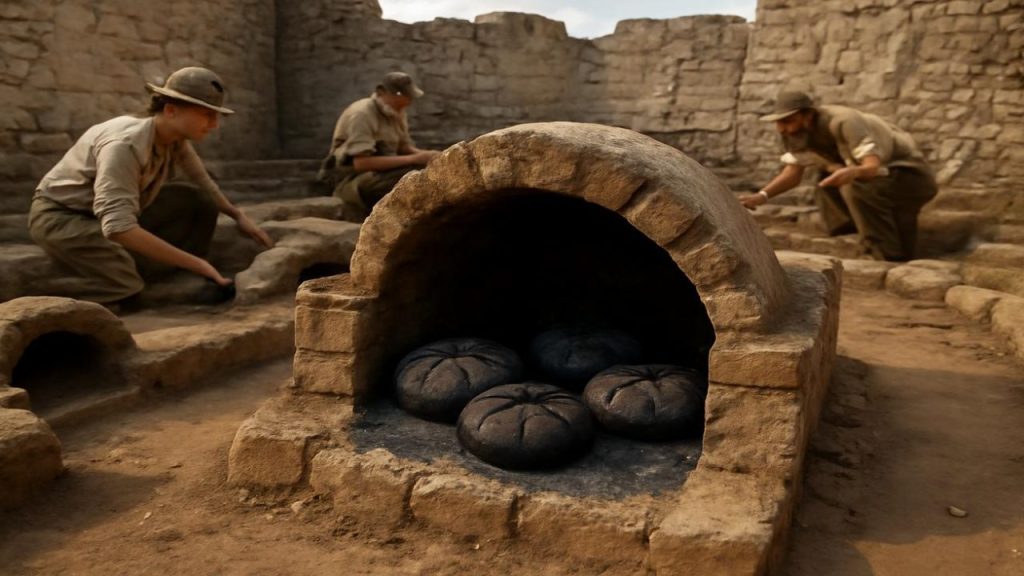
Archaeological investigations in the region could potentially uncover physical evidence of Roman presence, such as weapons, coins, or other artifacts that might support the theory.
Historical research continues examining Chinese and Roman records for additional clues about the fate of captured legionaries and their possible eastward migration.
International collaboration between Chinese and Western researchers has intensified efforts to solve this enduring puzzle. New discoveries could either strengthen the Roman connection theory or point toward alternative explanations for Liqian’s unique characteristics.

Regardless of what future research reveals, Liqian village has already secured its place in the fascinating intersection of Eastern and Western history. Whether the residents truly descend from Roman soldiers or represent another chapter in the complex story of cultural exchange along ancient trade routes, their community embodies the enduring human connections that have shaped our world for millennia.
Frequently Asked Questions
Are the residents of Liqian village actually descended from Roman soldiers?
DNA evidence shows European ancestry among residents, but definitive proof of Roman origins has not been established. The theory remains compelling but unconfirmed.
What happened to the Roman soldiers captured at the Battle of Carrhae?
Ancient sources indicate thousands were captured by Parthian forces, but their ultimate fate remains unclear. Some theories suggest they were relocated eastward as military colonists.
What physical features make Liqian residents distinctive?
Some villagers have green eyes, fair hair, prominent noses, and other characteristics uncommon in northwestern China.
How did Chinese historical records describe the mysterious foreign soldiers?
Han dynasty texts mention encountering soldiers fighting in a “fish-scale” formation, possibly referring to Roman military tactics.
What does the village name “Liqian” mean?
In Han dynasty Chinese texts, “Liqian” was used to refer to distant Western lands, often associated with Roman territories.
Could there be other explanations for the European ancestry found in Liqian?
Yes, the genetic markers could result from various historical interactions along Silk Road trade routes rather than specifically Roman origins.










Leave a Comment