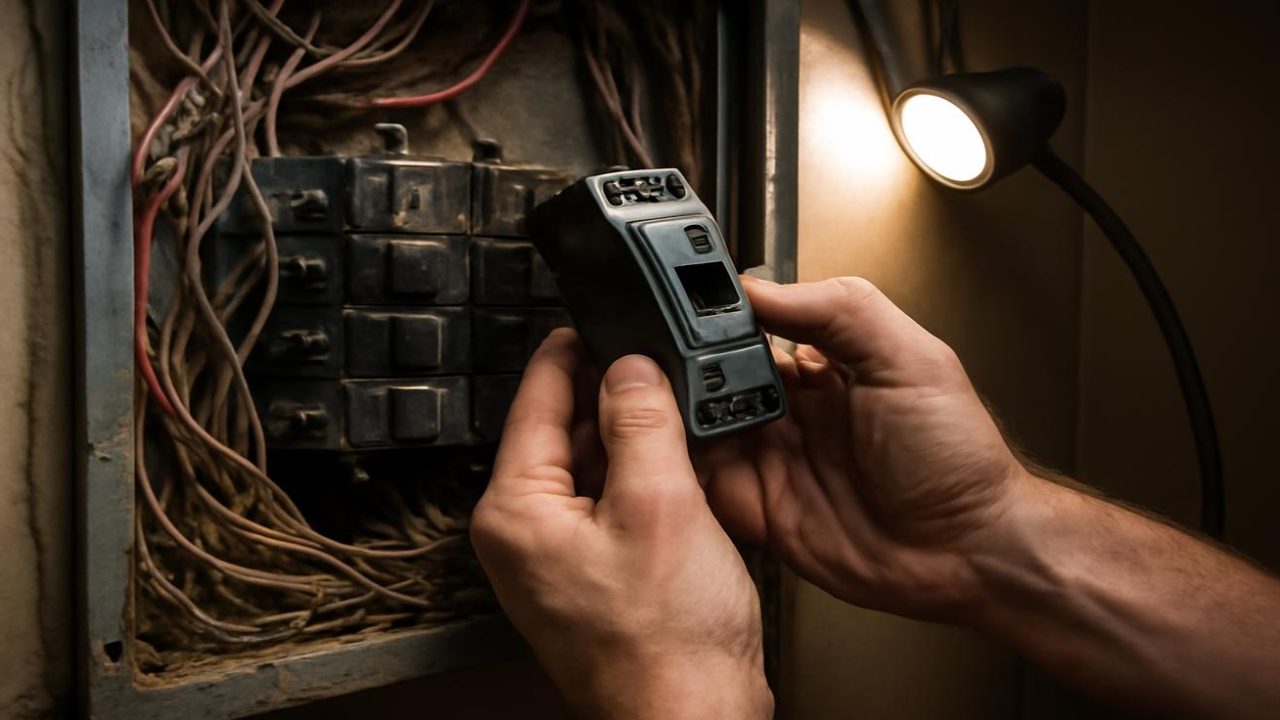
The morning sun streamed through Margaret Chen’s kitchen window as she watched the electrician shake his head for the third time. At 72, she’d lived in her Pasadena home for over four decades, but now the professional was telling her something she never expected to hear.
“Ma’am, I’m sorry, but this whole panel needs to be replaced. The wiring from 1978 just can’t handle what you’re asking it to do,” he explained, gesturing toward her new electric vehicle charger installation. “It’s not just you – I’m seeing this in about one out of every five homes I visit these days.”
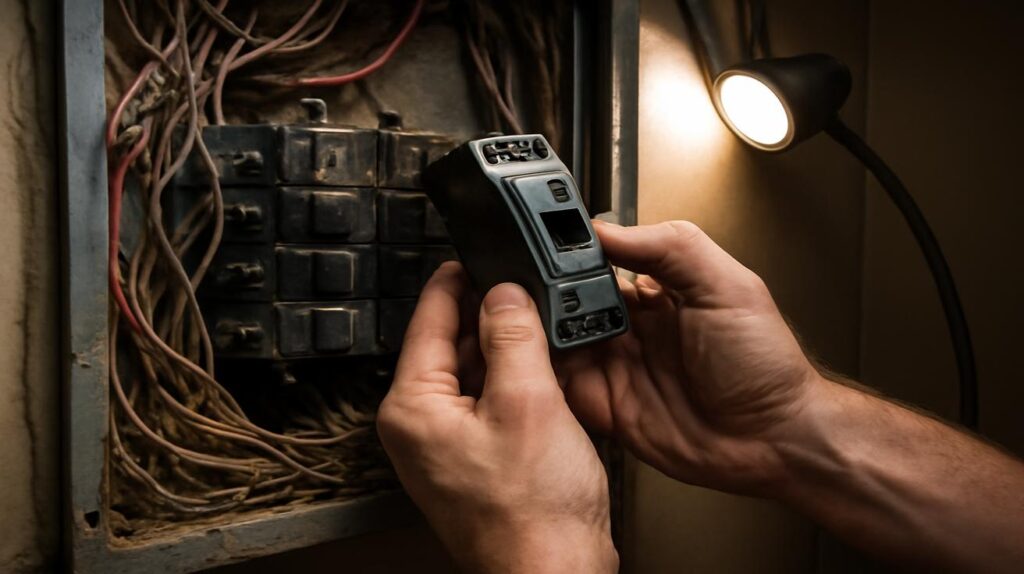
Margaret’s dream of driving electric had just become a lot more expensive than the car itself.

The Hidden Reality of Going Electric After 65
Across America, a surprising trend is emerging that’s catching homeowners off guard. While electric vehicle adoption soars and heat pumps become the heating solution of choice, a significant number of homes built decades ago simply aren’t equipped to handle these modern electrical demands.
Recent industry data reveals that approximately 20% of electrical installations in homes over 40 years old require major upgrades before new electric appliances can be safely installed. This statistic becomes particularly relevant for homeowners over 65, many of whom purchased their homes in the 1970s and 1980s when electrical codes and household power consumption looked dramatically different.
The electrical systems in many older homes were designed for a completely different lifestyle. We’re asking 100-amp panels to do 200-amp jobs.
— Robert Martinez, Licensed Electrical Contractor

The issue isn’t just about age – it’s about fundamental changes in how we use electricity. Homes built before 1990 typically featured electrical panels designed for basic lighting, small appliances, and maybe a central air conditioning unit. Today’s electric vehicles, induction cooktops, heat pump systems, and multiple high-powered devices create electrical loads that these older systems simply cannot support safely.
What Homeowners Need to Know About Electrical Upgrades
Understanding when an electrical upgrade becomes necessary isn’t always obvious. Many homeowners discover the need only when they attempt to install new electric appliances or charging stations. Here are the key factors that typically trigger upgrade requirements:
- Panel capacity: Homes with 100-amp or smaller electrical panels often need upgrades for major electric appliances
- Outdated wiring: Aluminum wiring or cloth-wrapped cables from pre-1960s construction
- Insufficient circuits: Lack of dedicated high-voltage circuits for modern appliances
- Safety code compliance: GFCI requirements and grounding standards that didn’t exist decades ago
- Meter and service line capacity: Utility connections that can’t deliver increased electrical loads
The costs associated with these upgrades vary significantly based on the scope of work required:

| Upgrade Type | Typical Cost Range | Timeline |
| Panel upgrade (100A to 200A) | $2,500 – $4,500 | 1-2 days |
| Complete rewiring | $8,000 – $15,000 | 3-7 days |
| Service line upgrade | $1,500 – $3,000 | 1 day |
| New dedicated circuits | $300 – $800 each | 4-8 hours |
I always tell my clients that electrical upgrades are an investment in safety and functionality. Yes, it’s an unexpected expense, but it’s also adding real value to your home.
— Linda Thompson, Master Electrician
The Real-World Impact on Older Homeowners
For homeowners over 65, electrical upgrades present unique challenges that extend beyond simple cost considerations. Many are living on fixed incomes, making large unexpected expenses particularly difficult to manage. Additionally, the disruption to daily routines during electrical work can be more challenging for older adults who spend more time at home.
However, the benefits often outweigh the initial inconvenience. Modern electrical systems provide enhanced safety features, including arc-fault protection and improved grounding that significantly reduce fire risks. For older homeowners, these safety improvements offer genuine peace of mind.

The timing of upgrades also affects different demographics differently. Younger homeowners might view electrical upgrades as part of broader home improvement projects, while older homeowners often encounter upgrade requirements when they’re specifically trying to install energy-efficient appliances or accommodate family members’ needs.
We’re seeing a lot of grandparents who want to install EV chargers for when their adult children visit. It’s become a hospitality issue as much as a practical one.
— James Wilson, Electrical Inspection Services
The regulatory landscape adds another layer of complexity. Many municipalities have updated electrical codes significantly in recent years, meaning that any major electrical work triggers requirements to bring entire systems up to current standards. This can turn a simple appliance installation into a comprehensive electrical overhaul.

Planning Ahead and Making Smart Decisions
Proactive planning can help homeowners avoid surprise electrical upgrade costs. Regular electrical inspections, particularly for homes over 30 years old, can identify potential issues before they become mandatory upgrades during appliance installations.
Financial assistance programs are increasingly available for electrical upgrades, particularly those related to energy efficiency improvements. Many utility companies offer rebates for electrical panel upgrades that support electric vehicle charging or heat pump installations. Federal and state tax credits may also apply to certain types of electrical improvements.
The key is getting an assessment before you need it. When you’re standing there with a new electric car and no way to charge it, your options become much more limited and expensive.
— Patricia Davis, Home Energy Consultant

For homeowners considering whether to pursue electrical upgrades, the decision often comes down to long-term planning. Those planning to remain in their homes for many years typically find that electrical upgrades pay for themselves through increased home value and improved functionality. The ability to install modern appliances, electric vehicle charging, and energy-efficient systems often justifies the initial investment.
FAQs
How do I know if my home needs an electrical upgrade?
Signs include frequently tripping breakers, dimming lights when appliances start, burning smells, or an electrical panel over 25 years old.
Can I install an EV charger without upgrading my electrical panel?
It depends on your current panel capacity and available circuits. A qualified electrician can assess whether your existing system can handle the additional load.

Are electrical upgrades covered by homeowner’s insurance?
Typically no, unless the upgrade is required due to covered damage. However, upgrades may reduce your insurance premiums due to improved safety.
How long do electrical upgrades take to complete?
Panel upgrades usually take 1-2 days, while complete rewiring can take a week or more depending on the home’s size and complexity.
Do I need permits for electrical upgrades?
Yes, most electrical upgrades require permits and inspections. Your electrician should handle the permit process as part of their service.

Will electrical upgrades increase my home’s value?
Modern electrical systems typically add value and make homes more attractive to buyers, especially those interested in electric vehicles or modern appliances.










Leave a Comment