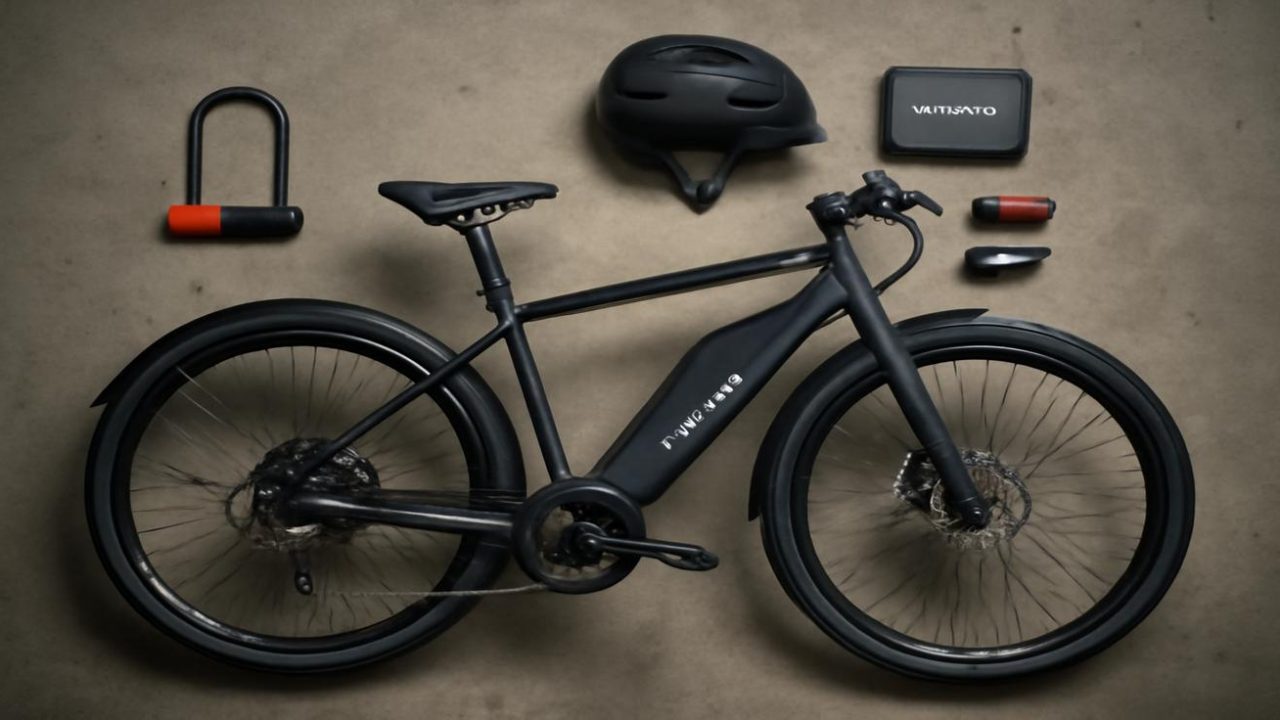
The rain was coming down hard when Marcus finally gave up pedaling his electric bike up the steep hill near his apartment. Three miles from home, soaked through his jacket, he realized his expensive e-bike purchase was missing something crucial – the right gear to make it actually practical.
That was three years ago, and Marcus isn’t alone. Millions of Americans have jumped into the electric bike revolution, drawn by promises of eco-friendly commuting and effortless rides. But here’s what the sales pitch doesn’t tell you: the bike is just the beginning.
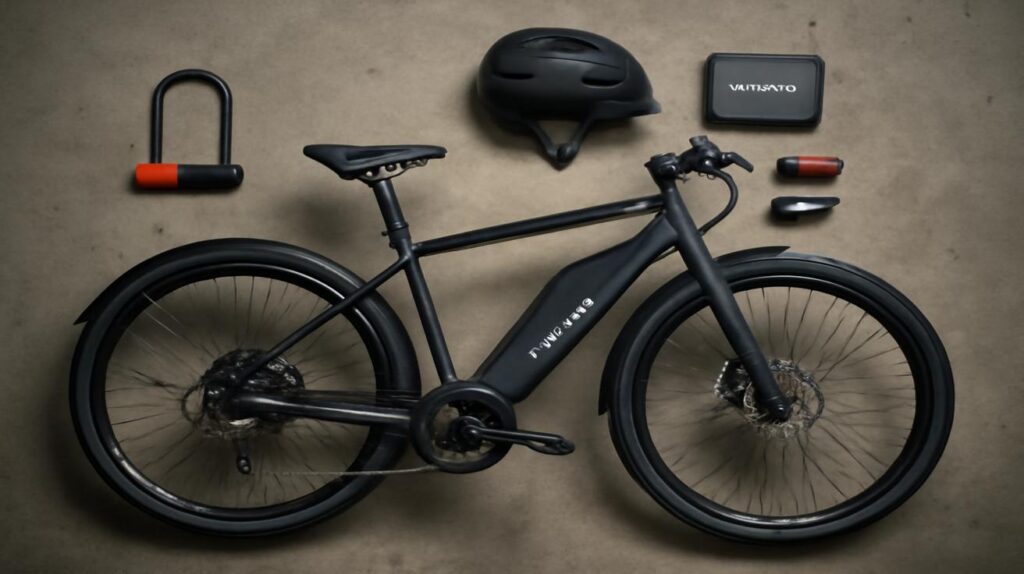
The accessories you choose can make the difference between loving your e-bike and letting it gather dust in the garage. After three years of trial, error, and plenty of soggy commutes, here’s what every new e-bike owner needs to know.

The Essential Gear That Changes Everything
When you drop $1,500 to $4,000 on an electric bike, it’s tempting to think you’re done spending. The reality? You’ll need another $300 to $800 in accessories to unlock your e-bike’s full potential.
The most critical mistake new riders make is underestimating weather protection. Unlike traditional bikes that you might only ride on perfect days, e-bikes become daily transportation. That means riding in rain, wind, and everything in between.
People buy e-bikes thinking they’re just getting a better bicycle, but they’re really switching to a new form of transportation. That mindset shift changes everything about what gear you need.
— Jennifer Walsh, Urban Mobility Specialist

Security becomes paramount when your “bicycle” costs more than many used cars. Standard bike locks won’t cut it anymore. The investment in proper security gear isn’t optional – it’s insurance for your investment.
Must-Have Accessories Ranked by Priority
After surveying hundreds of e-bike owners and testing dozens of accessories, here’s what actually matters:
| Priority Level | Accessory | Price Range | Why It’s Essential |
|---|---|---|---|
| Critical | High-Security Lock | $80-$200 | Prevents theft of expensive investment |
| Critical | Weather Protection Gear | $50-$150 | Makes year-round riding possible |
| High | Quality Helmet with Lights | $60-$120 | Safety at higher e-bike speeds |
| High | Cargo Solution | $40-$200 | Carries work gear, groceries, essentials |
| Medium | Phone Mount & Charger | $30-$80 | Navigation and emergency communication |
| Medium | Backup Battery/Charger | $200-$500 | Extends range, prevents stranding |
The security situation deserves special attention. E-bike theft has exploded alongside popularity. A flimsy cable lock is like leaving your car running with the doors open.

- Folding locks: Best balance of security and portability
- U-locks with cables: Maximum security for stationary parking
- GPS trackers: Hidden backup if locks fail
- Insurance: Many homeowner policies don’t cover e-bikes
I see people with $3,000 e-bikes secured with $15 cable locks every day. It’s heartbreaking because I know most of those bikes won’t last six months in the city.
— David Chen, Bike Shop Owner
Weather Gear That Actually Works
Here’s where most guides get it wrong – they recommend the same rain gear you’d use for regular cycling. E-bikes change the equation completely.
You’re traveling faster, so wind resistance matters more. You’re riding more frequently, so gear needs to be convenient. Most importantly, you’re often commuting to work or appointments where showing up soaked isn’t an option.

- Waterproof panniers or trunk bags: Keep work clothes dry
- Full-coverage fenders: Prevent road spray from head to toe
- Quick-deploy rain poncho: Covers you and bike controls
- Waterproof phone case: Protects navigation and communication
- Grip-enhancing gloves: Maintain control in wet conditions
The trunk bag or pannier system isn’t just about weather – it’s about making your e-bike practical for real life. Backpacks work for short rides, but they become uncomfortable on longer commutes, especially when you arrive sweaty at your destination.
The Hidden Costs of Going Electric
Beyond the obvious accessories, e-bike ownership brings unexpected expenses that catch new riders off guard.
Tire wear happens faster due to the extra weight and power. You’ll replace tires 30-50% more frequently than on a traditional bike. Factor in $60-$120 per year for rubber.

The biggest surprise for my customers is maintenance frequency. E-bikes work harder and need more attention, especially the drivetrain and brakes.
— Rebecca Martinez, Certified Bike Mechanic
Brake pads wear quicker too. The combination of higher speeds and heavier weight means more stress on stopping systems. Budget another $40-$80 annually for brake maintenance.
Battery replacement looms largest. Most e-bike batteries last 3-5 years with regular use. Replacement costs range from $400-$800, depending on your bike’s system. It’s worth researching battery availability and pricing before buying any e-bike.

Smart Upgrades That Pay Off
Some accessories transform your riding experience beyond their price tag suggests.
A suspension seatpost costs $50-$100 but makes every ride more comfortable. E-bikes are heavier than traditional bikes, and that extra weight translates to a harsher ride over bumps and potholes.
Ergonomic grips and a quality saddle prevent the hand numbness and discomfort that can develop during longer e-bike commutes. When your bike becomes daily transportation, comfort stops being luxury and becomes necessity.

The accessories that seem minor often make the biggest difference in whether someone actually uses their e-bike or just owns it. Comfort and convenience drive daily habits.
— Dr. Sarah Kim, Transportation Researcher
LED lighting deserves its own category. E-bike speeds mean you need more visibility than traditional bike lights provide. Invest in front and rear lights with at least 500 lumens front, 100 lumens rear. Many riders add spoke lights and reflective gear for 360-degree visibility.
FAQs
How much should I budget for e-bike accessories?
Plan for $300-$800 in essential accessories, with another $200-$400 for comfort upgrades and maintenance items.

What’s the most important accessory to buy first?
A high-quality lock system. E-bike theft is rampant, and replacing a stolen bike costs far more than investing in proper security.
Do I need special insurance for my e-bike?
Many homeowner’s and renter’s policies have limited coverage for e-bikes. Check your policy and consider specialized e-bike insurance for expensive models.
How often do e-bike batteries need replacement?
Most e-bike batteries last 3-5 years with regular use. Proper charging habits and storage can extend battery life significantly.
Can I use regular bike accessories on an e-bike?
Some work, but e-bikes’ extra weight and speed often require upgraded versions of standard bike accessories, especially for brakes, tires, and lighting.
What weather gear is absolutely essential?
Waterproof storage (panniers or trunk bag), full fenders, and a quick-deploy rain covering are the minimum for year-round riding.









Leave a Comment