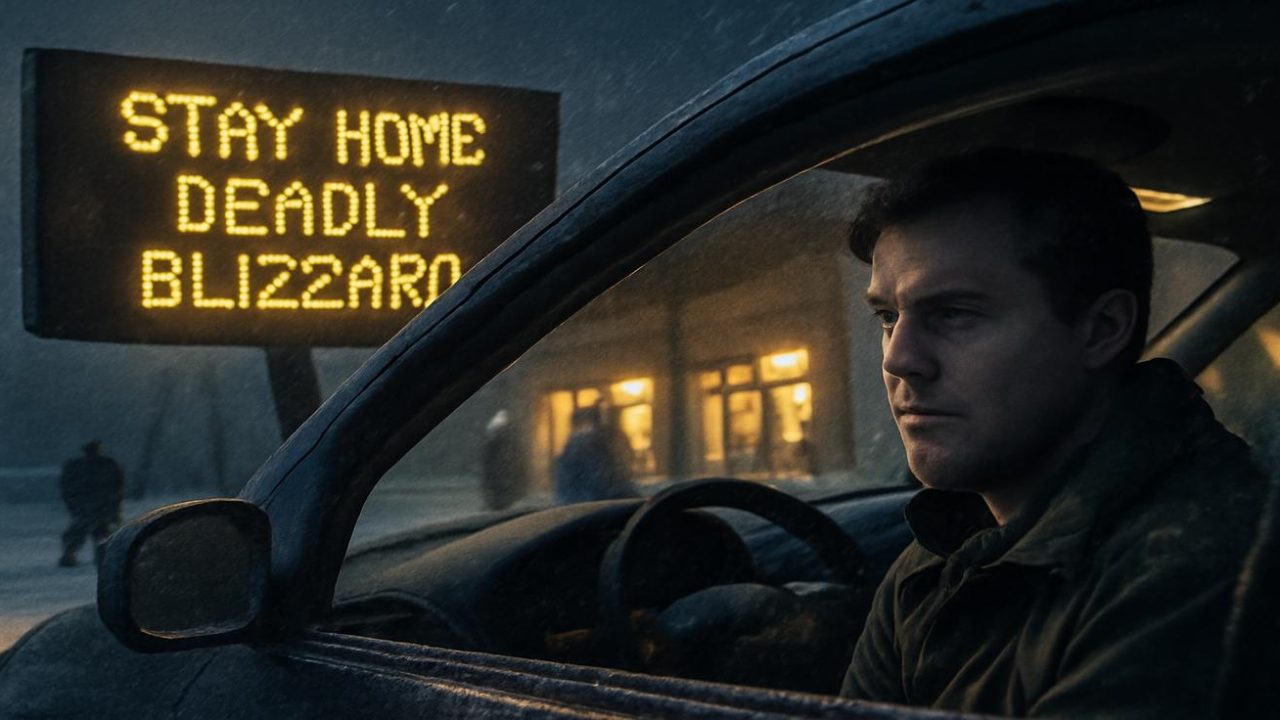
When blizzard warnings flash across emergency alert systems and authorities beg drivers to stay off deadly roads, millions of American workers face an impossible choice: risk their lives getting to work, or risk their jobs by staying home safely.
The contradiction plays out in communities across the country every winter. Local sheriffs and emergency officials issue urgent pleas for people to avoid travel during life-threatening storms. Yet behind the scenes, many businesses quietly expect their employees to show up regardless of the weather warnings.
This clash between public safety messaging and private employment demands raises uncomfortable questions about whose wellbeing truly matters when survival and paychecks collide.

When Safety Warnings Meet Employment Pressure
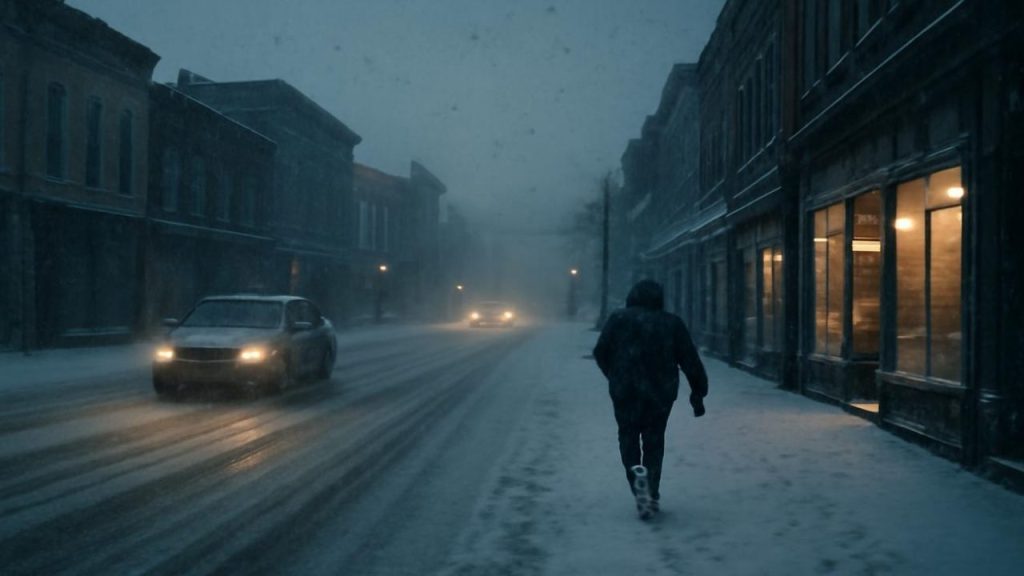
The scenario unfolds with predictable regularity each winter storm season. Emergency officials, often standing in swirling snow, deliver stern warnings about staying off the roads unless travel is absolutely necessary.
Meanwhile, store managers and shift supervisors check their schedules against corporate emails emphasizing the importance of remaining open for customers. The message to employees becomes clear: you’re expected to report for work unless specifically told otherwise.
This creates a fundamental disconnect between what public safety officials recommend and what many workers feel they must do to keep their jobs. The burden of deciding what constitutes “absolutely necessary” travel falls squarely on individual workers, who must weigh immediate physical danger against potential economic consequences.

The pressure is particularly acute for hourly workers in retail, food service, and other customer-facing industries. These employees often lack the job security or remote work options that might make staying home during severe weather a realistic choice.
The Economics of Weather-Related Work Decisions
For many American workers, the calculation during severe weather events involves multiple financial factors that extend far beyond a single day’s wages.
Workers must consider not just lost pay for missing a shift, but potential disciplinary actions, reduced hours in future schedules, or even termination for what employers might classify as unexcused absences. Many retail and service industry jobs operate on attendance point systems where weather-related absences count against workers unless management specifically closes the business.
The economic pressure becomes even more intense for workers living paycheck to paycheck, where missing even one day of work can mean choosing between paying rent or buying groceries. This reality makes the decision to stay home during dangerous weather conditions feel like a luxury many simply cannot afford.
| Worker Considerations During Blizzards | Potential Consequences |
|---|---|
| Staying home for safety | Lost wages, attendance points, disciplinary action |
| Attempting to drive to work | Accident risk, vehicle damage, personal injury |
| Calling out sick | Possible termination if discovered, guilt over dishonesty |
| Waiting for official business closure | May never come, last-minute schedule changes |
The Legal and Ethical Gray Areas
Most states do not have specific laws protecting workers who refuse to travel during severe weather warnings. This leaves employees with little legal recourse if they face retaliation for prioritizing their safety over attendance.
Some states have “safe leave” laws that allow workers to stay home during declared emergencies, but these protections are far from universal. Even where such laws exist, many workers remain unaware of their rights or fear that exercising them could lead to subtle forms of workplace retaliation.

The ethical questions become even murkier when considering the broader implications. Businesses argue they have obligations to serve customers and maintain operations. Emergency services point out that every unnecessary vehicle on the road during severe weather increases rescue risks for first responders.
Workers caught in the middle often feel abandoned by a system that simultaneously tells them to stay safe and demands they show up regardless of conditions.
Industry Variations in Weather Policies
Different industries handle severe weather situations with varying degrees of worker consideration. Healthcare facilities, emergency services, and utilities typically have clear protocols and often provide transportation or lodging for essential personnel during storms.

Retail chains, restaurants, and other service businesses show much more variation in their approaches. Some proactively close locations and excuse absences when severe weather warnings are issued. Others maintain a stance of staying open unless conditions make it absolutely impossible.
The inconsistency means that workers doing similar jobs may face completely different expectations and protections depending on their specific employer’s policies. This patchwork approach leaves many workers unsure of their rights and obligations when dangerous weather strikes.
Corporate policies often emphasize “safety first” in employee handbooks, but the practical application of these policies during actual emergencies can tell a different story. The gap between stated values and operational demands becomes most apparent when profits and safety directly conflict.

What This Means for American Workers
The tension between weather safety and work obligations reflects broader questions about worker rights and employer responsibilities in America. It highlights how economic insecurity can force people into dangerous situations they would otherwise avoid.
For workers, the immediate impact is the stress of making potentially life-altering decisions with incomplete information and conflicting pressures. The long-term effect may be a growing awareness of how little protection exists for employees who prioritize their physical safety over workplace demands.
The issue also reveals class disparities in who gets to stay safe during emergencies. Professional workers with remote capabilities and job security can more easily heed official safety warnings, while hourly workers often cannot.

As extreme weather events become more frequent due to climate change, these conflicts between public safety messaging and employment expectations are likely to intensify. The question of whose safety truly matters when business interests and worker wellbeing collide remains largely unanswered in American labor policy.
Frequently Asked Questions
Can I be fired for not coming to work during a blizzard?
In most states, yes, unless your employer has a specific severe weather policy or your state has declared a formal emergency with worker protections.
Do employers have to pay workers when businesses close due to weather?
Generally no, unless specified in an employment contract or company policy. Most hourly workers are not paid when businesses close unexpectedly.

Are there laws protecting workers who refuse to drive in dangerous weather?
Very few states have specific protections for workers who decline to travel during severe weather warnings. Most employment remains “at-will.”
What should I do if my employer demands I come to work during a weather emergency?
Document the request, check your state’s emergency declarations, and consider contacting your state labor department for guidance on your specific situation.
Do essential workers get special protections during severe weather?
Some essential workers, particularly in healthcare and emergency services, may receive transportation assistance or temporary lodging, but this varies significantly by employer.
Can I use sick leave to avoid driving in dangerous weather?
This depends on your employer’s policies and state laws regarding sick leave usage. Some employers may consider this misuse of sick time.







Leave a Comment