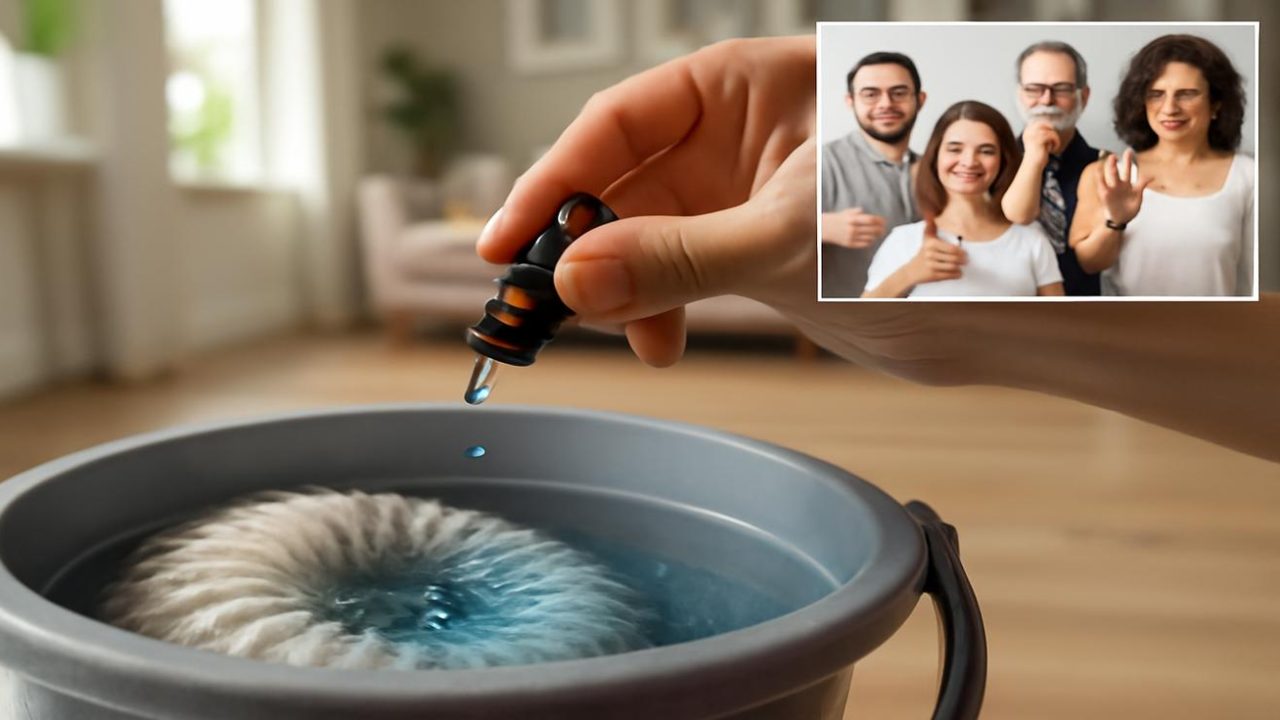
A viral cleaning hack promises your home will smell like a luxury hotel for days with just two drops of one simple ingredient added to your mop bucket. The twist? It’s not vinegar, lemon, or any traditional cleaning product—it’s perfume or essential oil.
The trend has exploded across social media platforms, with users sharing videos of themselves adding tiny amounts of fragrance to their cleaning routine. Comments range from enthusiastic endorsements claiming “best hack ever” to warnings from cleaning experts about potential risks.
While the method sounds almost too simple to work, it’s dividing professionals who question whether this seemingly innocent cleaning shortcut could actually cause more harm than good.

The Two-Drop Method That’s Taking Over Social Media
The viral cleaning hack couldn’t be simpler in execution. Users fill their mop bucket with warm water and their usual floor cleaner, then add exactly two drops of perfume or fragrant essential oils before mopping as normal.
The theory behind the method is that as you clean, the scent releases into the air and clings to surfaces, creating a lasting fragrance that can persist for several days. Unlike harsh chemical air fresheners or the sharp smell of vinegar-based cleaners, this approach promises a subtle, spa-like atmosphere throughout your home.
Social media users describe the results in glowing terms, with many claiming their homes now smell like upscale hotels or luxury spas. The appeal lies not just in the pleasant scent, but in the simplicity—most people already have perfume or essential oils at home, making this a zero-cost experiment.

The hack represents a departure from traditional cleaning wisdom that emphasizes function over fragrance. Instead of accepting that effective cleaning comes with unpleasant chemical odors, users are seeking ways to make the chore more enjoyable while achieving the same cleanliness standards.
What You Need to Know Before Trying This Hack
The ingredients for this cleaning method are remarkably accessible, which partly explains its viral success. The technique works with common household items that most people already own.
Here’s what the hack requires:

- Standard mop bucket and cleaning solution
- Warm water for optimal scent dispersion
- Two drops of perfume or essential oil
- Regular mopping technique
The choice of fragrance appears to be entirely personal preference. Some users opt for floral perfumes to create a garden-like atmosphere, while others choose woody or citrus essential oils for different mood effects. The key seems to be restraint—more than two drops can apparently overwhelm the space or create an artificial smell.
Timing also plays a role in the hack’s effectiveness. Users report better results when mopping during times when air circulation is minimal, such as evenings or when windows are closed, allowing the scent to settle into the space rather than dissipate immediately.
| Fragrance Type | Reported Duration | Best Room Application |
|---|---|---|
| Essential Oils | 2-3 days | Living areas, bedrooms |
| Light Perfume | 3-4 days | Bathrooms, entryways |
| Cologne | 1-2 days | Kitchens, utility rooms |
Why Experts Are Divided on This Cleaning Trend
The viral hack has created an unexpected rift in the cleaning and home care community, with professionals taking markedly different positions on its safety and effectiveness.

Supporters of the method point to its simplicity and the psychological benefits of pleasant home environments. The argument centers on the idea that if people enjoy cleaning more, they’re likely to do it more frequently and thoroughly, ultimately leading to cleaner homes overall.
However, concerns have emerged about the potential consequences of introducing non-cleaning products into floor care routines. Some worry about whether perfumes and oils could leave residues that attract dirt more quickly than traditional cleaning methods, potentially requiring more frequent cleaning cycles.
The debate also touches on ingredient transparency. While commercial floor cleaners must list their components and safety warnings, perfumes and essential oils aren’t designed for floor application and may contain compounds that could react unpredictably with cleaning chemicals or floor materials.

Professional cleaning services report mixed experiences when clients request this method. Some note that certain fragrances can linger longer than expected, potentially causing issues for people with sensitivities or allergies who visit the home later.
The Real-World Impact on Your Home and Health
Beyond the immediate sensory appeal, this cleaning hack raises practical questions about long-term effects on both your living space and the people in it.
For households with pets, the implications could be more serious than anticipated. Animals have significantly more sensitive noses than humans, and what seems like a subtle fragrance to people might be overwhelming to cats or dogs sharing the space.

The financial aspect cuts both ways. While the hack uses products you likely already own, some users report going through expensive perfumes more quickly than expected as they expand the technique to multiple rooms or increase cleaning frequency to maintain the scent.
Flooring materials may respond differently to this treatment. Hardwood, tile, and laminate surfaces each have unique properties that could interact with oils and alcohol-based fragrances in unexpected ways, potentially affecting shine, texture, or durability over time.
Ventilation becomes a more complex consideration when your cleaning routine is designed to leave lasting scents. The balance between maintaining fragrance and ensuring adequate air circulation for health requires more thoughtful planning than traditional cleaning methods.

What Happens Next for This Viral Trend
Like many social media-driven home hacks, this trend’s longevity will likely depend on real-world results as more people experiment with the technique over extended periods.
The cleaning industry has begun taking notice, with some companies exploring ways to incorporate similar fragrance-focused approaches into commercial products. This could lead to purpose-designed floor cleaners that achieve the same aromatic goals without the uncertainty of mixing household products.
Professional cleaning organizations may develop official guidance on the practice as more data becomes available about its effects on different surfaces and environments. Currently, most are taking a wait-and-see approach while monitoring user experiences.
The trend also highlights a broader shift in how people think about household maintenance, prioritizing the entire sensory experience of a clean home rather than focusing solely on hygiene and appearance.
Frequently Asked Questions
Is it safe to mix perfume with regular floor cleaner?
The long-term safety of combining these products hasn’t been thoroughly studied, and experts remain divided on potential risks.
How long does the scent actually last?
Users report fragrance lasting anywhere from one to four days, depending on the type of product used and room ventilation.
Can this method damage my floors?
The potential for surface damage from oils and alcohol in fragrances hasn’t been confirmed, but some professionals express concern about long-term effects.
Will two drops really make a noticeable difference?
Many users report that two drops is sufficient, with more potentially creating an overwhelming artificial smell.
Are essential oils safer than perfume for this hack?
Essential oils may be less likely to contain synthetic compounds, but neither option has been specifically tested for floor cleaning applications.
Should people with allergies avoid this method?
Anyone with fragrance sensitivities should exercise caution, as the scent will linger in the environment longer than typical cleaning product odors.







Leave a Comment