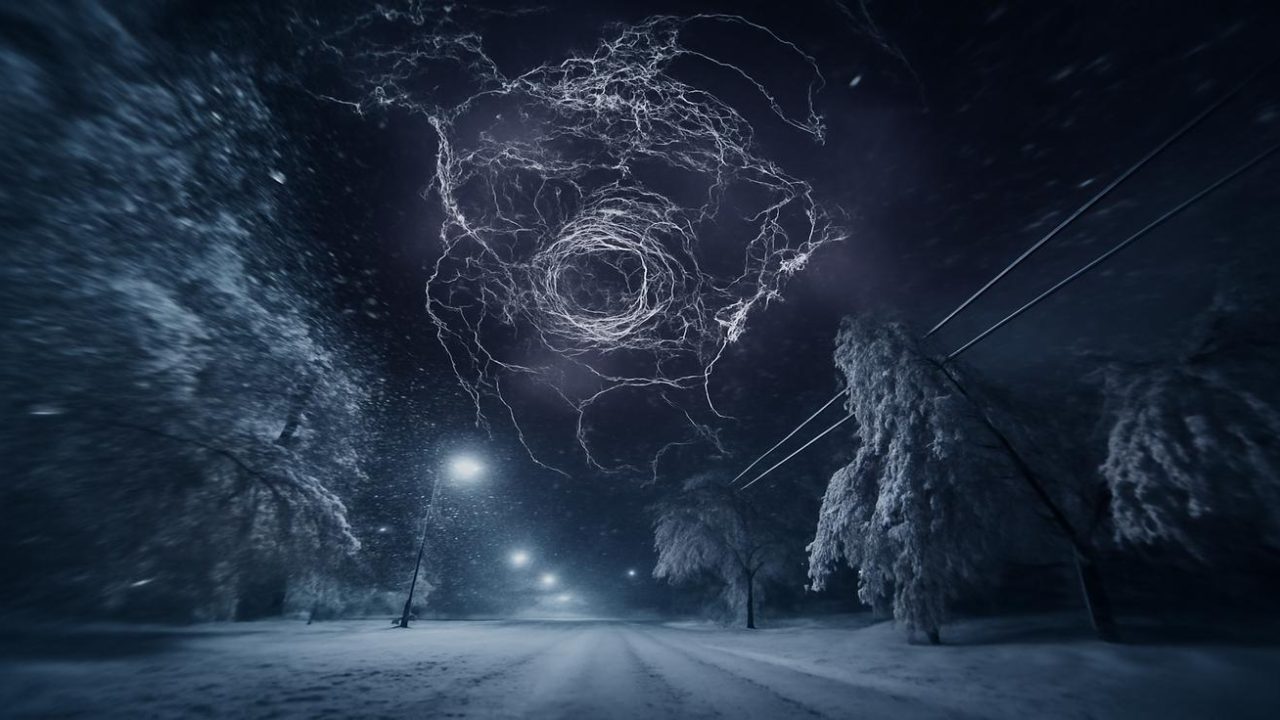
A massive atmospheric disruption is taking shape high above the Arctic, where the polar vortex—a swirling river of wind tens of miles overhead—is beginning to shift in ways that could unleash unusually extreme winter conditions across much of the Northern Hemisphere this March.
The polar vortex typically acts as Earth’s cold-weather guardian, spinning like an invisible carousel around the North Pole and keeping frigid Arctic air locked in place where it belongs. But atmospheric scientists are tracking signs that this protective barrier may be weakening, potentially allowing brutal cold to spill southward just as spring should be arriving.
What makes this situation particularly concerning is the timing. March polar vortex disruptions are relatively rare, and when they do occur, they can extend winter weather far beyond its normal seasonal boundaries.

How the Polar Vortex Actually Works
To understand what might be coming, you need to look at a place most people never think about: the stratosphere, where the polar vortex operates like a massive atmospheric engine.
On a typical winter day, the polar vortex sits high above the Arctic as a spinning crown of icy air. The familiar jet stream—the fast-moving ribbon of air that steers storms at lower altitudes—wraps around this vortex, creating a natural barrier that keeps the deepest cold bottled up in polar regions.
But some winters, this smooth operation gets interrupted. Waves of energy launched by storms, mountain ranges, and even tropical thunderstorms punch upward into the stratosphere, where they jostle and stretch the vortex.

When conditions align just right, these disruptions can cause the entire system to wobble or even split apart, like a spinning top that’s been knocked off balance.
Why March Makes This Situation More Dangerous
The timing of this potential polar vortex shift creates unique risks that differ from typical winter disruptions. By March, most regions have already endured months of cold weather, leaving infrastructure, agriculture, and energy systems less prepared for another round of extreme conditions.
Late-season cold snaps can be particularly devastating because they often catch communities off guard. Heating systems may have been scaled back, winter equipment stored away, and emergency preparations relaxed as spring approaches.

The atmospheric setup also differs in March. The jet stream’s position and strength change as daylight hours increase, creating conditions where cold air masses can penetrate farther south and linger longer than they would during peak winter months.
| Typical Winter Vortex | Disrupted March Vortex |
|---|---|
| Stable circular pattern | Stretched or split formation |
| Cold air contained in Arctic | Cold air spills southward |
| Predictable jet stream flow | Erratic, meandering patterns |
| Regional weather systems | Persistent blocking patterns |
What Extreme March Weather Could Look Like
When the polar vortex shifts dramatically, the effects ripple through the entire atmospheric system. Instead of orderly weather patterns, regions can experience prolonged periods of unusual conditions that seem to ignore seasonal norms.
The most immediate sign often appears as a subtle change in air quality—that sharp, thin feeling that makes the atmosphere seem different, even before temperatures drop significantly. The sky may take on an unusually hard, bright appearance that creates harsh lighting conditions.

Temperature swings become more extreme and unpredictable. Areas that should be experiencing spring warming may instead face prolonged cold spells, while other regions could see unseasonably warm conditions as the disrupted jet stream creates unusual flow patterns.
Precipitation patterns also shift dramatically. Snow may fall in areas where it’s rare for March, while regions that typically receive late-season snow could experience drought conditions or unusual rainfall.
Who Gets Hit Hardest by Late-Season Cold
The impacts of a March polar vortex disruption extend far beyond inconvenient weather. Agricultural regions face particular risks, as crops and livestock that have begun adapting to spring conditions become vulnerable to sudden temperature drops.

Energy infrastructure experiences strain from unexpected demand spikes. Natural gas supplies that were planned to last through normal seasonal transitions may face shortages if heating systems must run at full capacity well into March.
Transportation systems can be caught unprepared. Road crews may have reduced their winter maintenance operations, leaving highways vulnerable to ice storms or snow accumulations that would have been routine to handle in January but become dangerous in March.
Urban areas with aging infrastructure face compound risks. Water pipes that have survived the winter may burst when exposed to sudden temperature drops, especially if building heating systems have been reduced in anticipation of spring.

The Science Behind Predicting Vortex Behavior
Meteorologists track polar vortex conditions using a complex array of atmospheric measurements, but predicting exactly when and how disruptions will occur remains challenging. The system operates on multiple timescales, with some changes taking weeks to fully manifest at ground level.
Stratospheric conditions can shift rapidly, but their effects on surface weather often lag by days or weeks. This delay makes it difficult to provide precise timing for when extreme conditions might arrive, even when scientists can detect that a disruption is beginning.
Computer models struggle with the complexity of these interactions. Small changes in upper atmospheric conditions can cascade into dramatically different outcomes for surface weather, making long-range forecasting particularly uncertain during vortex disruption events.

What Happens Next
The development of this polar vortex situation will likely unfold over the coming weeks, with clearer patterns emerging as atmospheric measurements continue. Weather services are monitoring stratospheric conditions closely, looking for signs of whether the disruption will intensify or stabilize.
Communities in potentially affected areas may want to reconsider their spring preparation timelines. Keeping winter emergency supplies accessible and maintaining heating system readiness could prove valuable if extreme conditions do materialize.
The broader implications extend beyond immediate weather impacts. A significant March polar vortex event could influence atmospheric patterns well into spring, potentially affecting growing seasons, water supplies, and energy markets across large geographic areas.

Climate researchers will be watching this event carefully, as late-season vortex disruptions may become more common as global atmospheric patterns continue to shift.
Frequently Asked Questions
What exactly is the polar vortex?
The polar vortex is a large area of swirling cold air that normally stays locked around the Arctic, acting like a spinning crown that keeps frigid temperatures contained in polar regions.
How often do polar vortex disruptions happen in March?
March polar vortex shifts are relatively uncommon compared to mid-winter disruptions, which makes them particularly concerning when they do occur.
Can scientists predict exactly when extreme weather will hit?
While meteorologists can detect when vortex disruptions are beginning, the timing of surface weather impacts remains difficult to predict precisely due to the complex delays between stratospheric changes and ground-level effects.
Which areas are most likely to be affected?
The specific regions impacted depend on how the vortex shifts, but disruptions typically affect large portions of North America, Europe, and Asia with unusual temperature and weather patterns.
How long do polar vortex disruptions typically last?
The effects can persist for weeks or even months, potentially influencing weather patterns well beyond the initial disruption period.
Should people prepare differently for March extreme weather?
Late-season cold events can be particularly challenging because communities often reduce winter preparedness as spring approaches, so maintaining emergency supplies and heating system readiness may be advisable.









Leave a Comment