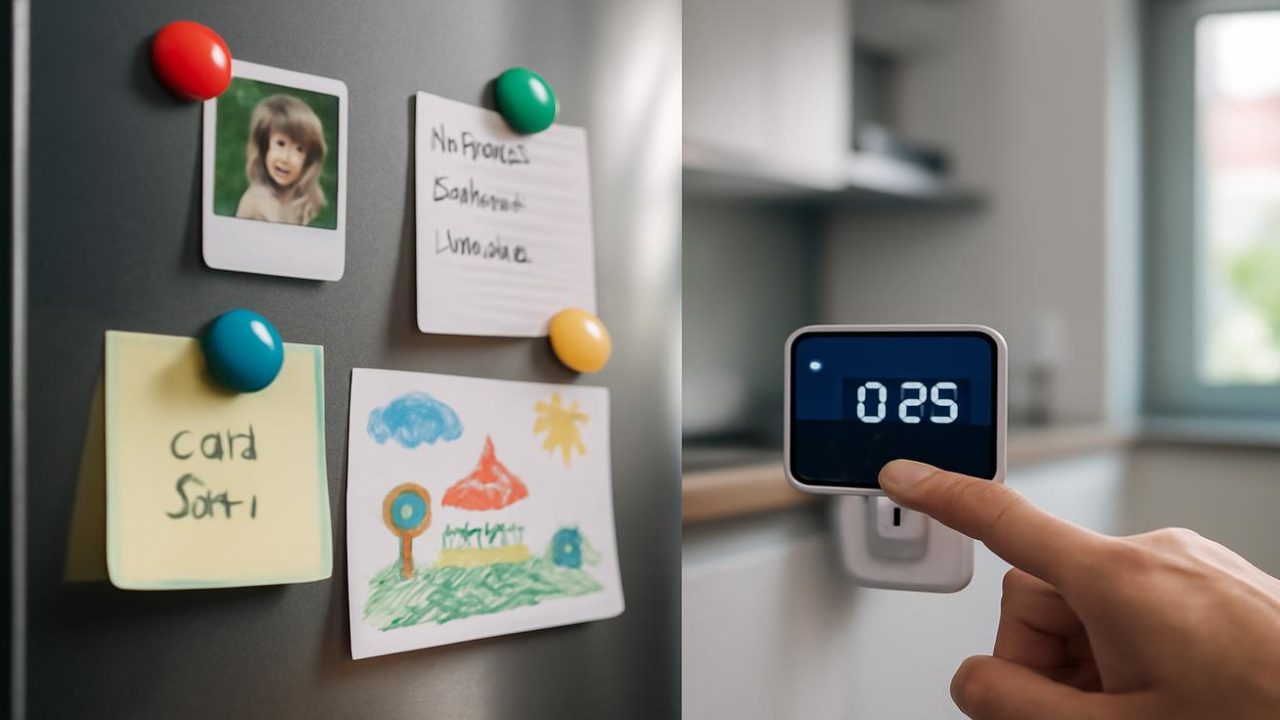
For decades, a persistent myth has circulated through kitchens worldwide: refrigerator magnets somehow force your appliance to work harder, driving up your electricity bill. The rumor has been so convincing that some households have banned magnets entirely, treating them like contraband that could secretly drain power and money.
Now Bosch, one of the world’s leading appliance manufacturers, has finally addressed this widespread belief with a clear explanation of how magnets actually interact with modern refrigerators. The answer might surprise anyone who has ever eyed those colorful magnets holding up grocery lists and family photos with suspicion.
The truth is far simpler than the myth suggests, and understanding it could save you from unnecessary worry about your energy costs.

What Bosch Engineers Actually Say About Fridge Magnets
According to Bosch’s technical explanation, the concern about magnets affecting refrigerator efficiency stems from a fundamental misunderstanding of how modern appliances work. The magnets you stick to your fridge door have virtually no impact on the appliance’s energy consumption or operational efficiency.
Modern refrigerators use magnetic door seals to create an airtight closure, but these built-in magnets are specifically designed and positioned to work with the appliance’s cooling system. The small decorative magnets people attach to the exterior surface operate on an entirely different principle and don’t interfere with the refrigerator’s internal mechanisms.
The confusion likely arose from older appliances and a general misunderstanding of magnetic fields. Some people assumed that adding external magnets would somehow disrupt the refrigerator’s compressor, cooling coils, or electrical systems.

The Science Behind Refrigerator Magnets and Energy Use
Refrigerator magnets work through simple magnetic attraction to the steel exterior of your appliance. They create localized magnetic fields that are far too weak to influence the refrigerator’s motor, compressor, or cooling system.
The components that actually consume electricity in your refrigerator are:
- The compressor motor that circulates refrigerant
- Interior lighting systems
- Electronic control panels and displays
- Fans that circulate air inside the compartments
- Defrost heaters that prevent ice buildup
None of these systems are affected by small magnets placed on the exterior door surface. The magnetic fields from decorative magnets don’t penetrate deeply enough into the appliance to reach any electrical components.

What actually impacts your refrigerator’s energy consumption are factors like ambient room temperature, how frequently you open the door, the temperature settings you choose, and how well-maintained the appliance’s coils and seals remain over time.
Real Factors That Actually Affect Your Electricity Bill
While magnets won’t increase your energy costs, several other factors can significantly impact how much your refrigerator costs to operate each month.
| Factor | Impact Level | Potential Cost Increase |
|---|---|---|
| Damaged door seals | High | 15-25% higher bills |
| Dirty condenser coils | Moderate | 10-15% higher bills |
| Overpacking the interior | Moderate | 5-10% higher bills |
| Frequent door opening | Low to Moderate | 3-8% higher bills |
| Decorative magnets | None | 0% impact |
The most significant energy waste comes from compromised door seals that allow cold air to escape. When the magnetic strips built into your refrigerator door lose their effectiveness, the compressor has to work continuously to maintain proper temperatures.

Dirty condenser coils, usually located on the back or bottom of the unit, force the cooling system to work harder as well. These coils need to dissipate heat efficiently, and dust buildup acts as insulation that traps heat inside.
Why This Myth Became So Widespread
The refrigerator magnet myth persisted for several reasons that reveal how technical misunderstandings can spread through households and communities.
First, people correctly understood that refrigerators use magnetism in their door seals, but incorrectly assumed that any additional magnets would interfere with this system. The logic seemed reasonable: if magnets are part of how the appliance works, adding more magnets might disrupt that function.

Second, the myth offered a simple explanation for unexpectedly high electricity bills. When energy costs spiked, it was easier to blame visible magnets than investigate less obvious issues like failing components or inefficient usage patterns.
The myth also benefited from seeming scientifically plausible to people without technical backgrounds. Magnetism feels mysterious to many consumers, making claims about magnetic interference sound credible even without supporting evidence.
What This Means for Your Energy Savings Strategy
Understanding the truth about refrigerator magnets frees you to focus on energy-saving strategies that actually work. Instead of removing magnets, concentrate on maintenance and usage habits that genuinely impact your electricity costs.

Check your door seals regularly by closing the door on a piece of paper. If you can pull the paper out easily, the magnetic seal may need replacement. This simple test can identify a problem that could be costing you hundreds of dollars annually in wasted energy.
Clean the condenser coils at least twice yearly, or more frequently if you have pets that shed. Vacuum or brush away dust buildup to help your refrigerator operate efficiently.
Consider the age of your appliance when evaluating energy costs. Refrigerators older than 15 years typically consume significantly more electricity than modern Energy Star certified models, regardless of how many magnets you attach to them.

Frequently Asked Questions
Do refrigerator magnets really have no effect on energy consumption?
According to Bosch’s explanation, decorative magnets on the exterior door have virtually no impact on your refrigerator’s energy use or electricity costs.
Can too many magnets damage my refrigerator?
Small decorative magnets won’t damage modern refrigerators, though extremely strong industrial magnets could theoretically affect electronic displays if placed directly against them.
Why do some people still believe magnets increase electricity bills?
The myth persists because it seems scientifically plausible and offers a simple explanation for high energy costs, even though it’s not supported by evidence.

What actually causes refrigerators to use more electricity?
The biggest factors are damaged door seals, dirty condenser coils, poor ventilation around the unit, and keeping the interior temperature settings too low.
Should I remove all magnets from my fridge to be safe?
There’s no energy-saving benefit to removing decorative magnets, so you can safely keep using them for photos, notes, and artwork.
How can I actually reduce my refrigerator’s energy consumption?
Focus on maintaining good door seals, cleaning condenser coils regularly, avoiding overpacking, and setting appropriate temperature levels rather than worrying about magnets.











Leave a Comment