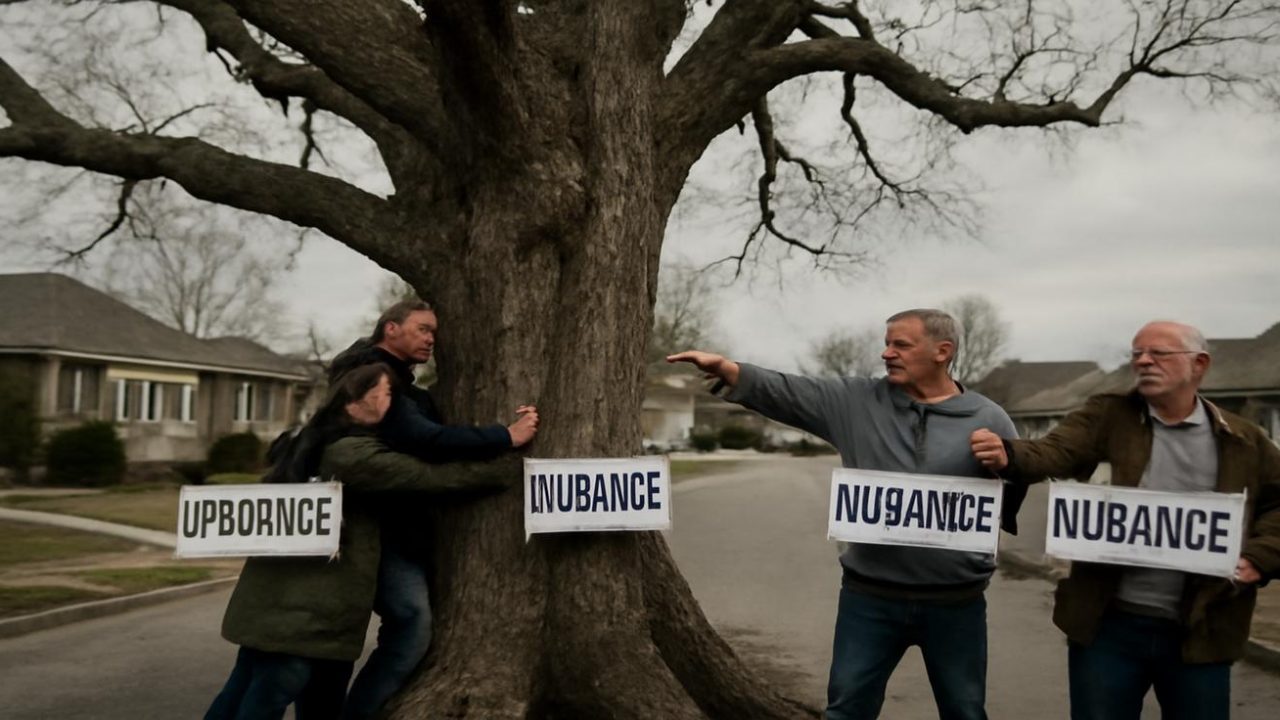
When a century-old oak tree begins to die in the middle of a quiet residential street, it becomes more than just a landscaping issue—it transforms into a battlefield where neighbors must choose between preserving heritage and protecting safety. The question of what to do with aging neighborhood trees is dividing communities across the country, forcing residents to confront uncomfortable truths about property rights, environmental stewardship, and the price of progress.
The conflict often begins with a simple observation: drooping leaves, brittle branches, or sections of the canopy that no longer leaf out in spring. But what starts as a concern about tree health quickly escalates into heated debates about who has the authority to make decisions, who bears the financial responsibility, and whether the tree represents irreplaceable natural heritage or a dangerous liability waiting to cause damage.
When Heritage Trees Become Neighborhood Flashpoints
Heritage trees—those ancient specimens that predate the neighborhoods built around them—occupy a unique place in residential communities. These trees often serve as natural landmarks that children use in giving directions, provide shade that defines the character of entire blocks, and connect current residents to the area’s natural history.

The challenge emerges when these trees begin showing signs of decline. Unlike trees planted as part of modern landscaping, heritage trees typically don’t have clear ownership. They may sit on public easements, straddle multiple property lines, or exist in legal gray areas where municipal codes haven’t kept pace with urban development patterns.
This ambiguous ownership creates the perfect conditions for neighborhood disputes. Some residents view the tree as a community treasure worth preserving at any cost. Others see it as a potential hazard that could damage homes, cars, or power lines. Still others question whether their neighbors have any right to make decisions about something that affects everyone on the block.
The Real Costs of Tree Conflicts
Tree disputes in residential neighborhoods involve several types of costs that extend far beyond the price of removal or treatment. Understanding these expenses helps explain why emotions run so high when communities face these decisions.

| Cost Category | Typical Range | Who Pays |
|---|---|---|
| Professional tree assessment | $300-$800 | Usually property owner or HOA |
| Large tree removal | $1,500-$5,000+ | Varies by local ordinance |
| Property damage from falling branches | $2,000-$15,000+ | Often disputed between insurance and responsible parties |
| Legal consultation for disputes | $200-$500 per hour | Individual residents |
| Tree preservation treatments | $800-$3,000 annually | Usually shared among advocates |
The financial stakes help explain why tree conflicts can become so contentious. When removal costs run into the thousands and liability for property damage remains unclear, neighbors naturally become protective of their interests. The situation becomes more complicated when some residents are willing to pay for preservation while others demand removal for safety reasons.
How Tree Disputes Reshape Neighborhood Dynamics
Beyond the immediate question of what to do about a dying tree, these conflicts often reveal deeper tensions about community decision-making and property rights. Neighborhoods that seemed harmonious can quickly divide into factions with fundamentally different visions of how shared spaces should be managed.
The preservation faction typically argues that heritage trees represent irreplaceable natural assets that define the neighborhood’s character. They point to the tree’s role in providing shade, supporting wildlife, and maintaining the area’s distinctive identity. These residents often volunteer to organize fundraising for professional treatments or ongoing maintenance.

The removal faction focuses on practical concerns about safety and liability. They worry about branches falling during storms, roots damaging foundations or sidewalks, and the potential for the entire tree to topple during severe weather. These residents argue that emotional attachment to a tree shouldn’t override legitimate safety concerns.
A third group often emerges—residents who primarily want the conflict resolved quickly and quietly. They may not have strong feelings about the tree itself but become frustrated with ongoing meetings, email chains, and neighborhood tension that the dispute creates.
The process of trying to reach consensus frequently exposes different philosophies about how neighborhoods should function. Some residents believe major decisions should be made democratically with input from everyone affected. Others argue that whoever bears the financial responsibility should have primary decision-making authority. Still others contend that municipal authorities or homeowner associations should handle these issues without extensive community debate.

Legal and Practical Realities Most Neighbors Don’t Expect
Tree disputes often surprise participants with their legal complexity. Property lines, municipal ordinances, homeowner association rules, and state laws may all come into play, creating a regulatory maze that defies simple solutions.
Many communities have heritage tree ordinances that restrict removal of large or historically significant trees, even when they pose safety risks. These laws typically require permits, professional assessments, and sometimes public hearings before removal can proceed. The process can take months and may not guarantee approval even for trees with documented health problems.
Insurance coverage for tree-related damage follows complex rules that vary by company and situation. Homeowners often discover that their policies cover damage from healthy trees that fall due to storms, but may not cover damage from obviously diseased trees that owners failed to address. This creates pressure to act quickly once problems are identified, even if the community hasn’t reached consensus about the best solution.

Liability questions become particularly thorny when trees sit on property boundaries or in easements. If a tree technically belongs to one property owner but its branches overhang multiple yards, questions about responsibility for maintenance and liability for damage can become legally complicated and expensive to resolve.
Finding Resolution When Neighbors Can’t Agree
Communities that successfully navigate tree disputes typically follow several common approaches that help move beyond the initial emotional reactions and toward practical solutions.
Professional assessment becomes the crucial first step. Certified arborists can provide objective information about the tree’s health, life expectancy, and specific risks. This professional input helps separate legitimate safety concerns from general anxiety about change, giving all parties a factual foundation for decision-making.

Exploring compromise solutions often proves more successful than forcing a simple keep-or-remove vote. Options might include selective pruning to reduce risk while preserving the tree, installing protective barriers, or developing a timeline for gradual replacement with new plantings.
Establishing clear financial agreements before proceeding prevents disputes from escalating after decisions are made. Communities that document who will pay for assessments, treatments, or removal—and how ongoing maintenance costs will be handled—avoid many of the secondary conflicts that can poison neighborhood relationships.
Setting reasonable timelines helps balance the desire for community input with the need to address safety concerns promptly. Extended debates that drag on for months while a tree continues deteriorating often result in emergency situations where optimal solutions are no longer available.

Frequently Asked Questions
Who is legally responsible when a heritage tree damages property?
Responsibility typically depends on tree ownership, whether the damage was foreseeable, and local laws, making legal consultation advisable for significant disputes.
Can neighbors force removal of a tree that sits on someone else’s property?
Generally no, though overhanging branches and roots that cross property lines may be subject to different rules depending on local ordinances.
How much does professional tree assessment cost?
Professional arborist assessments typically range from $300 to $800, depending on the tree’s size and the complexity of the evaluation needed.

Do homeowner associations have authority over heritage trees?
Authority varies significantly based on HOA governing documents and local laws, with some associations having broad powers and others having very limited tree-related authority.
What happens if neighbors can’t reach agreement about a problematic tree?
Unresolved disputes may require mediation, legal action, or municipal intervention, depending on local procedures and the specific nature of the conflict.
Are there alternatives to complete tree removal for heritage trees?
Yes, options may include selective pruning, cabling and bracing, root management, or soil treatments, though effectiveness depends on the specific problems identified.









Leave a Comment