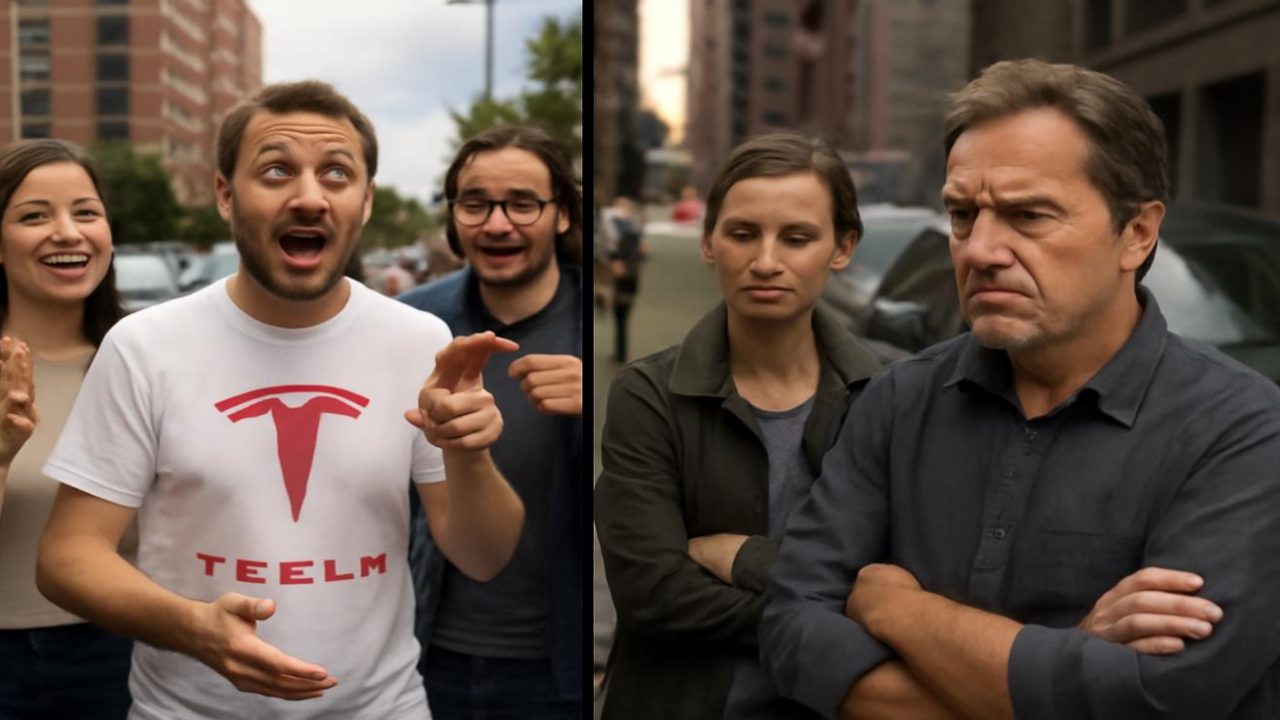
The most polarizing fanbase in the automotive world isn’t cheering for a sports team or a rock band—they’re evangelizing for electric vehicles, and their fervor is making everyone else question whether passionate advocacy has crossed into something more uncomfortable.
Tesla owners have developed a reputation that extends far beyond their choice of transportation. From unsolicited lectures in parking lots to shrine-like gatherings at Supercharger stations, the culture surrounding electric vehicle ownership has sparked debates about environmental responsibility, consumer behavior, and the fine line between enthusiasm and evangelism.
The phenomenon raises an uncomfortable question: Are these passionate advocates actually right about the urgency of electric vehicle adoption, even if their delivery makes everyone want to tune out?

The Supercharger Station Social Dynamic
Charging stations have become more than functional stops—they’ve evolved into informal meetups where Tesla culture is most visible. The atmosphere at these locations tells a story about identity, values, and the psychology of early adopters.
Observers note a particular blend of smugness and idealism that characterizes many interactions. Within moments of conversation, topics inevitably turn to fuel savings, advanced driving features, and environmental impact. The technology itself becomes a talking point, with owners discussing “one-pedal driving” as a revelatory experience that makes traditional cars feel primitive.
Some owners go further, treating their vehicles as companions rather than machines. Cars are given names and personalities, suggesting an emotional attachment that goes beyond typical consumer relationships with products.

The Moral Dimension of Car Ownership
What sets Tesla enthusiasm apart from other brand loyalty is its moral component. Owners often frame their purchase decisions as ethical choices with global implications, creating a dynamic where transportation becomes tied to personal values and environmental responsibility.
This moral framing can manifest in confrontational ways. Stories emerge of Tesla owners approaching strangers to discuss the environmental impact of gasoline vehicles, treating chance encounters as opportunities for climate advocacy.
The messaging focuses on several key themes:

- Funding concerns related to oil industry geopolitics
- Direct environmental impact of combustion engines
- Personal responsibility for climate change mitigation
- Technological superiority of electric powertrains
The Psychology Behind Electric Vehicle Evangelism
Understanding why Tesla ownership often comes with missionary zeal requires examining the intersection of consumer psychology, environmental anxiety, and technological adoption patterns.
Early adopters of disruptive technology frequently display heightened advocacy behavior. When that technology also addresses existential concerns like climate change, the psychological investment deepens considerably.
| Behavioral Pattern | Tesla Owner Manifestation | Underlying Psychology |
|---|---|---|
| Identity Signaling | Prominently discussing fuel savings and features | Validation of purchase decision and values alignment |
| Moral Positioning | Framing gas cars as “climate crimes” | Reducing cognitive dissonance about consumption |
| Technology Enthusiasm | Treating vehicles as pets with personalities | Emotional attachment to innovation and progress |
The combination creates a perfect storm for passionate advocacy that can feel overwhelming to those outside the community.

The Uncomfortable Questions About Being Right
The irritating aspects of Tesla culture obscure a more complex reality about electric vehicle adoption and climate urgency. Strip away the delivery method, and many of the core arguments reflect legitimate environmental and technological concerns.
Transportation accounts for a significant portion of global carbon emissions. Electric vehicles, even accounting for battery production and electricity generation, typically have lower lifetime environmental impacts than comparable gasoline vehicles.
The technological advantages are measurable: instant torque delivery, lower maintenance requirements, and integration with renewable energy systems represent genuine improvements over internal combustion engines.

This creates a philosophical dilemma for critics. Dismissing Tesla evangelism as mere smugness might mean ignoring valid arguments about environmental responsibility and technological progress.
What This Means for Everyone Else
The Tesla phenomenon forces uncomfortable self-reflection about consumption choices, environmental values, and resistance to change. When confronted with passionate advocacy, the natural response is often defensive dismissal rather than engagement with underlying arguments.
For potential electric vehicle buyers, the cultural baggage can become a barrier to adoption. The association between electric vehicles and perceived smugness might delay decisions that would otherwise make financial and environmental sense.

The broader automotive industry has taken note, with traditional manufacturers developing electric vehicles while trying to avoid the cultural pitfalls that make Tesla ownership feel like joining a movement rather than buying a car.
Meanwhile, Tesla’s market success suggests that passionate advocacy, however irritating to some, can be an effective business strategy when aligned with products that deliver on their promises.
The Future of Electric Vehicle Culture
As electric vehicles become mainstream rather than niche, the cultural dynamics around ownership will likely evolve. The missionary zeal that characterizes early Tesla adoption may fade as electric powertrains become unremarkable.

However, the underlying tension between individual choices and collective environmental challenges will persist. The Tesla phenomenon may be less about cars than about how societies navigate technological transitions when the stakes feel existential.
The question becomes whether the urgency of climate action justifies passionate advocacy, even when that advocacy alienates potential allies. Tesla culture embodies this dilemma in its most visible form.
Frequently Asked Questions
Why do Tesla owners seem more evangelical than other car owners?
Tesla ownership combines early adopter psychology with environmental values and technological enthusiasm, creating unusually passionate brand advocacy.

Are Tesla owners actually right about environmental benefits?
Electric vehicles generally have lower lifetime environmental impacts than gasoline cars, though the passionate delivery of this message can obscure the valid underlying points.
Do all electric vehicle owners behave this way?
The evangelical behavior seems most concentrated among Tesla owners specifically, rather than electric vehicle owners generally.
Is this behavior helping or hurting electric vehicle adoption?
The passionate advocacy may simultaneously attract some buyers while alienating others who associate electric vehicles with perceived smugness.
Will this culture change as electric vehicles become more common?
As electric vehicles become mainstream rather than niche, the missionary aspects of ownership will likely diminish significantly.
What drives the moral framing around car ownership?
Climate change concerns create a context where transportation choices feel like ethical decisions with global implications rather than simple consumer preferences.











Leave a Comment