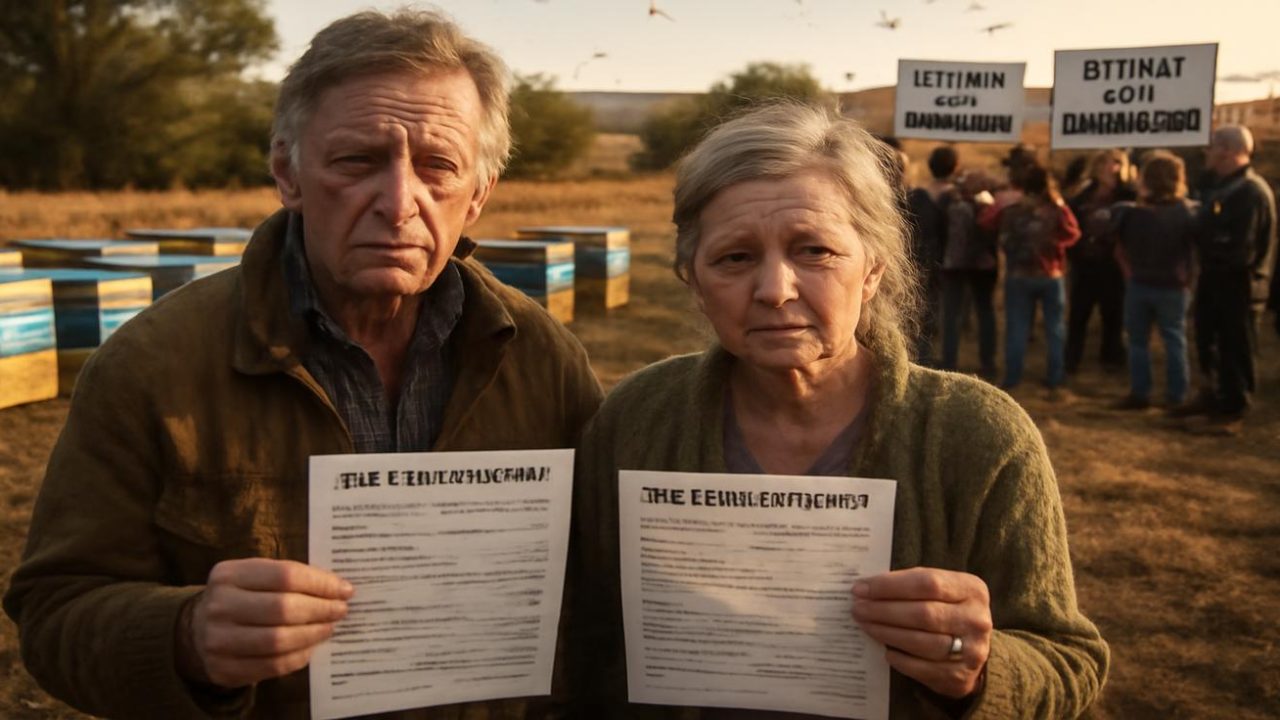
Across rural America, a growing number of retired landowners are discovering that their generosity toward struggling beekeepers comes with an unexpected price tag: thousands of dollars in additional property taxes. What began as handshake agreements to help small-scale honey producers is now triggering county reassessments that strip away agricultural tax exemptions from properties no longer in traditional crop production.
The issue highlights a fundamental tension in how states define legitimate agricultural activity. While beekeeping qualifies as agriculture in most jurisdictions, the informal arrangements between landowners and beekeepers often lack the documentation and commercial structure that tax assessors require to maintain preferential agricultural tax rates.
For many retirees who stepped away from active farming, these partnerships seemed like an ideal solution—supporting local food systems while preserving their agricultural tax status. Instead, they’re finding themselves caught between their desire to help and the reality of tax code enforcement.

How Agricultural Tax Exemptions Actually Work
Agricultural tax exemptions exist to support working farms and productive agricultural land. These programs typically reduce property tax burdens by 50-90% compared to residential or commercial rates, recognizing that farmland generates lower income per acre than developed properties.
However, maintaining these exemptions requires meeting specific criteria that vary by state and county. Most jurisdictions require proof of active agricultural production, minimum income thresholds, or evidence of commercial farming operations.
When traditional crop farming ends, landowners must find alternative qualifying uses to retain their agricultural tax status. Beekeeping, livestock grazing, hay production, and forestry can all qualify—but only under the right circumstances.

The challenge arises when well-meaning arrangements between landowners and small-scale operators lack the formal structure that tax assessors expect. Handshake deals, absent rental agreements, and minimal documentation can trigger reassessments that reclassify land as non-agricultural.
The Financial Impact on Retired Landowners
The tax implications of losing agricultural status can be severe, particularly for retirees on fixed incomes. Properties that enjoyed agricultural rates of $200-500 per acre annually can face residential tax bills of $2,000-5,000 per acre or more, depending on location and property values.
For a typical 20-acre retired farm property, the difference between agricultural and residential tax rates can easily exceed $5,000-10,000 annually. These sudden increases often force difficult decisions about whether to sell family land or find ways to meet agricultural requirements.
| Property Size | Agricultural Tax (Annual) | Residential Tax (Annual) | Potential Increase |
|---|---|---|---|
| 10 acres | $2,000-4,000 | $8,000-15,000 | $6,000-11,000 |
| 20 acres | $4,000-8,000 | $16,000-30,000 | $12,000-22,000 |
| 50 acres | $10,000-20,000 | $40,000-75,000 | $30,000-55,000 |
The timing of these reassessments often catches landowners off guard. Tax assessors may review agricultural exemptions periodically or investigate when they notice changes in land use, leading to sudden bills for back taxes and penalties.
Why Small-Scale Beekeeping Arrangements Fail Tax Requirements
While beekeeping qualifies as agricultural activity in most states, the informal nature of many arrangements between landowners and beekeepers creates problems with tax compliance. Assessors typically look for evidence of legitimate commercial operations rather than hobby or charitable activities.
Common issues that trigger reassessments include the absence of written lease agreements, lack of rental payments or revenue sharing, insufficient documentation of beekeeping income, and minimal evidence of ongoing commercial activity.
Many beekeepers operate small-scale operations that generate modest income, making it difficult to demonstrate the commercial viability that tax assessors expect. When landowners allow beekeeping without formal agreements, assessors may view these as personal favors rather than legitimate agricultural partnerships.
The situation becomes more complicated when beekeepers struggle financially or abandon their operations without notice, leaving landowners with empty hives and no agricultural activity to justify their tax exemptions.
The Broader Debate Over Agricultural Tax Policy
This issue reflects larger questions about the purpose and scope of agricultural tax exemptions. Critics argue that these programs have expanded beyond their original intent of supporting working farms, allowing wealthy landowners and hobby farmers to avoid paying their fair share of property taxes.

Supporters contend that agricultural exemptions serve important public purposes beyond supporting full-time farmers, including preserving open space, protecting rural character, and supporting food security through diverse agricultural activities.
The beekeeping controversy highlights how difficult it can be to distinguish between legitimate agricultural operations and arrangements designed primarily to reduce tax burdens. Small-scale and beginning farmers often lack the resources and infrastructure of established operations, making their activities appear less commercial even when they serve important agricultural purposes.
Some states have attempted to address these issues by creating clearer guidelines for qualifying agricultural activities, establishing minimum income thresholds, or requiring more detailed documentation of farming operations.

What Landowners and Beekeepers Can Do
Property owners interested in maintaining agricultural tax status while supporting beekeepers should focus on creating properly documented, commercial arrangements that satisfy tax requirements.
Essential steps include establishing written lease or licensing agreements, documenting rental payments or revenue sharing arrangements, maintaining records of beekeeping income and expenses, and ensuring beekeepers carry appropriate insurance and business licenses.
Working with agricultural extension agents, tax professionals, or attorneys familiar with agricultural law can help structure arrangements that support both parties’ goals while meeting regulatory requirements.

Some landowners have found success by requiring minimum rental payments, even modest ones, to demonstrate commercial intent. Others establish revenue-sharing agreements that give them a stake in the beekeeping operation’s success.
Regular communication with county assessors can also help prevent surprises. Many assessors are willing to review proposed arrangements and provide guidance on what documentation they require to maintain agricultural exemptions.
Frequently Asked Questions
Can beekeeping qualify for agricultural tax exemptions?
Yes, beekeeping is considered agricultural activity in most states, but arrangements must meet specific requirements for commercial operation and proper documentation.

What happens if I lose my agricultural tax exemption?
You’ll be reclassified at residential or commercial tax rates, which can increase your annual property tax bill by thousands or tens of thousands of dollars depending on property size and location.
Do I need to charge rent to beekeepers to maintain my agricultural status?
While not always required, documented rental payments or revenue sharing helps demonstrate commercial intent that tax assessors look for when evaluating agricultural exemptions.
How can I protect my agricultural tax status while helping small beekeepers?
Create written agreements, document any payments or revenue sharing, maintain records of the beekeeping operation’s commercial activity, and consult with tax professionals about your specific situation.
What should I do if I receive a tax reassessment notice?
Contact your county assessor immediately to understand their concerns, gather documentation of your agricultural activities, and consider appealing the decision if you believe you meet the requirements.
Are there alternatives to beekeeping for maintaining agricultural exemptions on retired farmland?
Yes, options may include hay production, livestock grazing leases, forestry operations, or other qualifying agricultural activities depending on your state’s requirements and property characteristics.







Leave a Comment