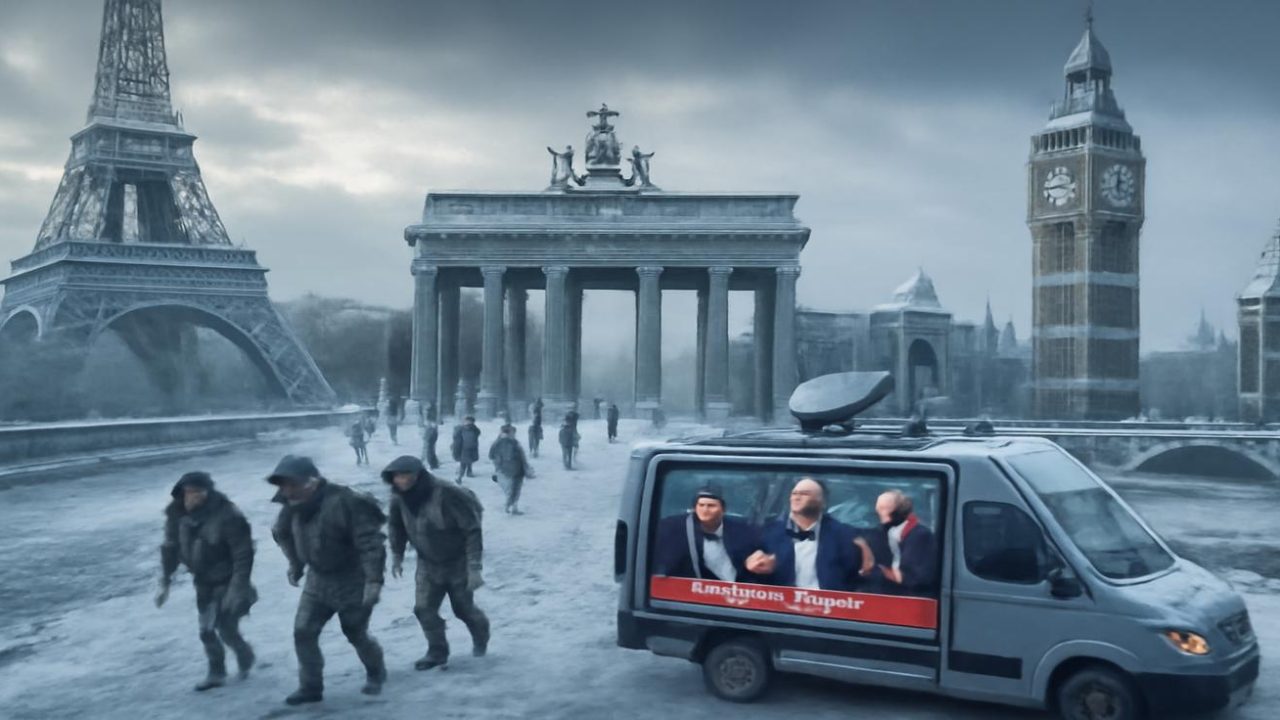
Europe is experiencing an unprecedented February freeze that has transformed the continent into a landscape more reminiscent of past centuries than modern climate expectations. From the industrial outskirts of Lyon to the canals of Amsterdam, temperatures have plummeted to levels that have caught both residents and experts off guard.
Weather maps across late-night news broadcasts now display deep blues and violets spreading like bruises across the continent. The cold snap has affected regions from Lisbon to Berlin, and from rural Romania to the Scottish Highlands, creating a continental crisis that has reignited fierce debates about climate change and energy policy.
The freeze arrived quietly at first – a sharper wind in Warsaw, ice forming on Amsterdam’s famous canals. Then, almost overnight, Europe found itself gripped by temperatures that have left train platforms silent beneath flickering lights as digital boards cascade from “Delayed” to “Cancelled.”

When Climate Reality Meets Daily Survival
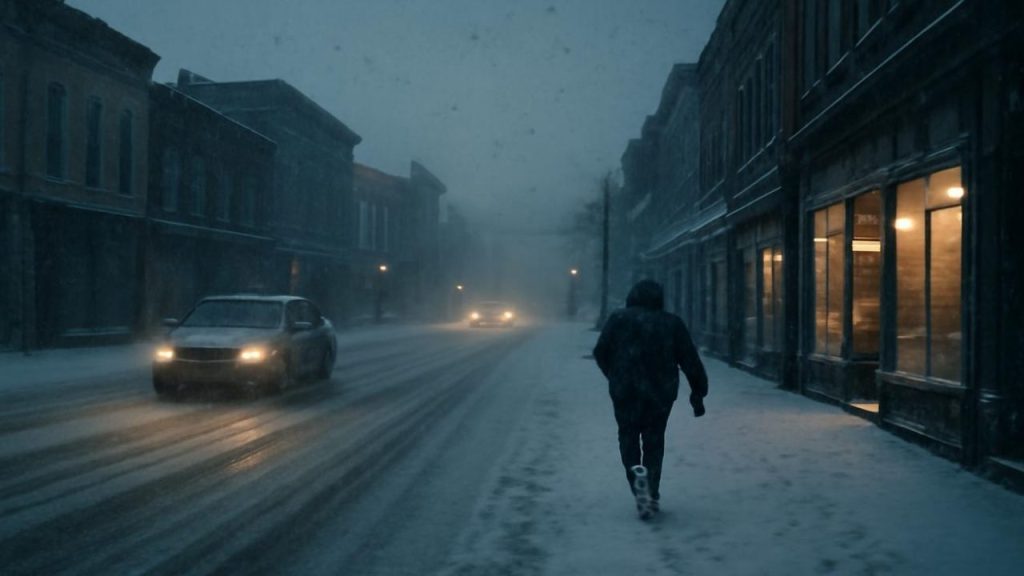
The human impact of this freeze extends far beyond weather statistics. In Lyon’s industrial districts, delivery drivers watch their phone screens show temperatures sliding from -14°C to -15°C as grey dawn breaks over frozen landscapes. Diesel vehicles struggle to start in conditions that test both machinery and human endurance.
The disconnect between long-term climate predictions and immediate reality has created a psychological tension for many Europeans. While scientific consensus points toward global warming, the immediate experience of bone-chilling cold creates doubt and confusion among those living through the freeze.
In Berlin, residents huddle in cramped flats where radiators rattle weakly against the unprecedented cold. The contrast between summer memories of heat waves and current sub-zero conditions illustrates the complex nature of climate variability that often gets lost in broader discussions about planetary warming trends.

The Political Battleground Emerges
This historic freeze has become ammunition in ongoing political battles across Europe. Politicians are using the extreme weather event to either support or challenge existing green energy policies, creating a contentious environment where climate science meets economic reality.
Critics of renewable energy initiatives point to the freeze as evidence that Europe’s transition away from traditional energy sources has left the continent vulnerable during extreme weather events. They argue that reduced reliance on fossil fuels has compromised energy security when it’s needed most.
Supporters of green policies counter that extreme weather events – whether hot or cold – actually reinforce the need for climate action and energy diversification. They emphasize that short-term weather patterns don’t negate long-term climate trends or the necessity of reducing carbon emissions.
Expert Disagreement on Climate Connections
The scientific community finds itself in a familiar but uncomfortable position of explaining the relationship between global climate change and local weather extremes. The February freeze has highlighted the ongoing challenge of communicating climate science to a public experiencing immediate, visceral cold.
Some experts argue that extreme cold events can actually be linked to climate change through disruptions in atmospheric patterns, particularly changes in polar vortex behavior. These specialists contend that warming in Arctic regions can cause cold air masses to shift southward into typically temperate zones.
Other researchers caution against drawing direct lines between any single weather event and broader climate trends, emphasizing that natural variability remains a significant factor in weather patterns. This scientific nuance often gets lost in political rhetoric and public discourse.

| Region | Reported Conditions | Impact |
|---|---|---|
| Lyon, France | -14°C to -15°C | Vehicle starting problems, delivery disruptions |
| Amsterdam, Netherlands | Ice formation on canals | Transportation affected |
| Warsaw, Poland | Sharp wind, extreme cold | General weather severity |
| Berlin, Germany | Heating system strain | Residential heating challenges |
Economic Survival Versus Environmental Goals
The freeze has intensified existing tensions between environmental objectives and economic necessities across European nations. Energy costs have spiked as demand for heating reaches critical levels, putting pressure on both household budgets and national energy grids.
Industrial operations face significant challenges as equipment struggles to function in extreme cold conditions. The economic implications extend beyond immediate heating costs to include reduced productivity, increased maintenance expenses, and supply chain disruptions.
These practical concerns fuel political arguments about the pace and scope of green energy transitions. Critics argue that the current crisis demonstrates the risks of moving too quickly away from reliable traditional energy sources before renewable alternatives can fully meet demand during extreme conditions.

The Broader Context of European Energy Policy
This February freeze occurs against the backdrop of Europe’s ambitious climate goals and ongoing energy security concerns. The continent has committed to significant reductions in carbon emissions while simultaneously working to reduce dependence on external energy suppliers.
The extreme weather event tests the resilience of Europe’s evolving energy infrastructure. Questions arise about whether current renewable energy capacity can meet peak demand during crisis periods, and what backup systems need to remain in place.
Politicians across the political spectrum are using the freeze to advance their preferred energy policies. Some call for accelerated renewable energy development to reduce climate risks, while others advocate for maintaining traditional energy sources as insurance against extreme weather events.

What This Means for Future Policy Decisions
The February freeze will likely influence European energy and climate policy discussions for months to come. The event provides real-world data about infrastructure resilience and energy system performance under extreme conditions.
Policy makers face the challenge of balancing immediate energy security concerns with long-term climate objectives. The freeze demonstrates that energy systems must be designed to handle extreme conditions regardless of their cause or frequency.
Public opinion may shift based on personal experiences during the freeze, potentially affecting political support for various energy policies. The disconnect between climate science and immediate weather experience continues to complicate policy communication and implementation.

Frequently Asked Questions
How severe is this February freeze compared to historical records?
The freeze is being described as historic and unprecedented for February, affecting the entire continent from Lisbon to Berlin and rural Romania to the Scottish Highlands.
What specific temperatures have been recorded?
In Lyon, France, temperatures have dropped from -14°C to -15°C, with similar extreme conditions reported across multiple European countries.
How are transportation systems affected?
Train services are experiencing widespread delays and cancellations, with digital boards showing cascading service disruptions across the continent.

Are experts linking this freeze to climate change?
Experts are divided on the connection, with some arguing extreme weather events can be linked to climate disruptions while others caution against drawing direct connections to single weather events.
How are politicians responding to the freeze?
Politicians are using the event to support their positions on green energy policies, with some arguing it shows vulnerability in renewable systems while others say it reinforces the need for climate action.
What impact is the freeze having on daily life?
Residents face heating challenges, vehicle starting problems, and general disruptions to normal activities as infrastructure struggles with the extreme cold conditions.








Leave a Comment