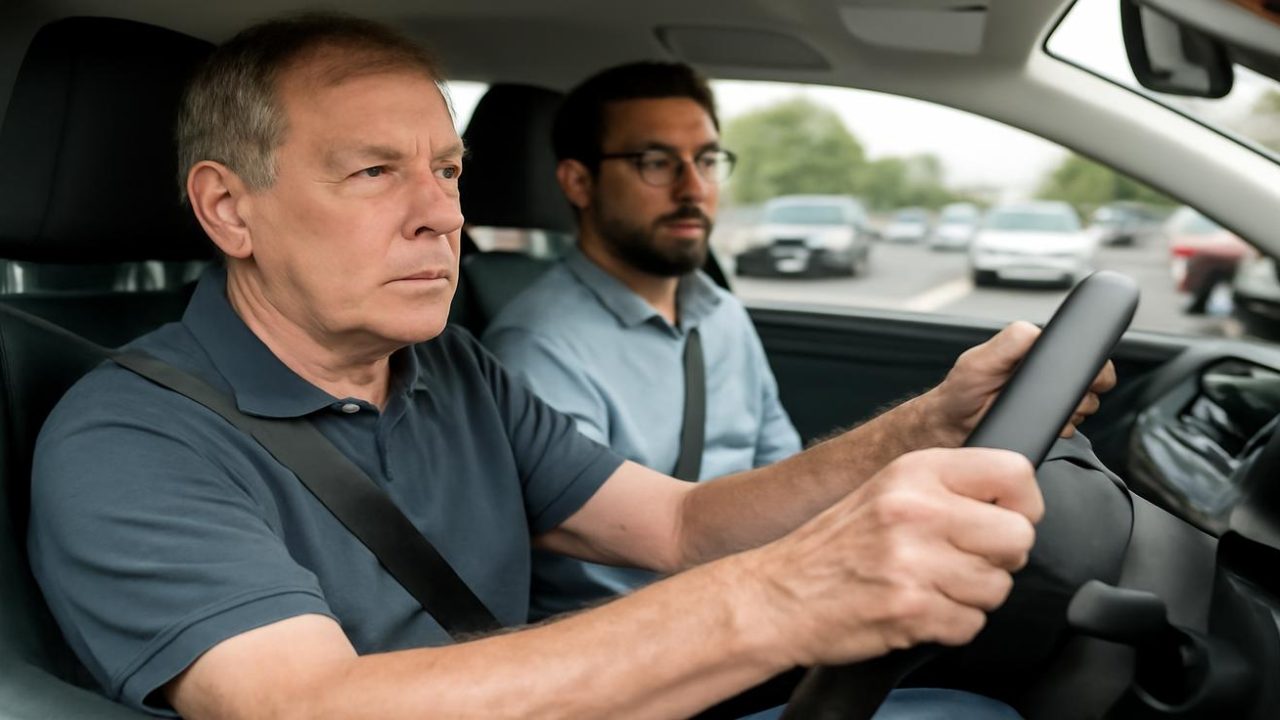
That split-second hesitation at a green light, the extra moment to find the brake pedal, the way night driving feels more challenging than it used to—if you’ve noticed these changes after 65, you’re experiencing something real and measurable that happens to most drivers as they age.
The question isn’t whether driving abilities change after 65. They do. The more important question is understanding exactly what’s happening in your brain and body, and what you can do about it.
While these changes can feel unsettling, the science behind them reveals both the challenges and opportunities that come with aging behind the wheel.

What Actually Happens to Your Brain After 65
Driving involves far more cognitive complexity than most people realize. What looks like a simple task—foot, pedal, wheel, go—actually requires your brain to orchestrate dozens of processes simultaneously.
Your visual system must track multiple moving objects while your brain calculates distances, speeds, and trajectories. You’re processing information from mirrors, gauges, and road signs while your hands and feet coordinate precise movements. All of this happens while you’re making split-second decisions about when to brake, accelerate, or change lanes.
After 65, several key changes affect this complex mental orchestra. Processing speed naturally slows down, meaning the time between seeing something and reacting to it increases. This isn’t a failure of intelligence or skill—it’s a normal part of how the aging brain works.

Your visual system also undergoes changes. Night vision becomes less sharp, and your eyes need more time to adjust between bright and dark conditions. Peripheral vision may narrow slightly, and depth perception can become less precise.
Working memory—your brain’s ability to hold and manipulate multiple pieces of information at once—also shifts. This is why complex driving situations, like busy intersections or highway merging, can feel more demanding than they used to.
The Physical Changes That Affect Driving After 65
Beyond cognitive changes, your body undergoes physical shifts that impact driving performance. Reaction time—the delay between recognizing a hazard and beginning to respond—typically increases by about 0.5 to 1.5 seconds for drivers over 65.

This might not sound like much, but at highway speeds, that extra second can mean the difference between stopping safely and a collision.
Joint flexibility and muscle strength also change gradually. Turning your head to check blind spots may require more effort, and your grip strength on the steering wheel might decrease. These changes happen so gradually that many drivers don’t notice them until they’re significant.
Here are the most common physical changes that affect driving:

- Decreased neck flexibility for checking blind spots
- Reduced leg strength for quick pedal movements
- Slower reflexes in emergency situations
- Increased sensitivity to glare from headlights or sun
- Difficulty judging distances, especially at night
- Reduced hearing, making it harder to detect approaching vehicles
| Age Group | Average Reaction Time | Night Vision Quality | Processing Speed |
|---|---|---|---|
| 25-45 | 0.7-1.0 seconds | Optimal | Peak performance |
| 45-65 | 1.0-1.3 seconds | Slight decline | Gradual slowing |
| 65+ | 1.3-2.0 seconds | Noticeable decline | Measurable slowing |
How These Changes Affect Real-World Driving
Understanding the science is one thing, but how do these changes actually show up in your daily driving experience?
Many drivers first notice the difference in challenging conditions. That comfortable nighttime drive to visit friends might suddenly feel more stressful. Merging onto busy highways requires more concentration. Parking in tight spaces takes more careful maneuvering.
Weather conditions that never bothered you before—light rain, fog, or bright sun—might now require extra caution. Your confidence in unfamiliar areas may decrease, and you might find yourself preferring routes you know well.

These aren’t signs of failure. They’re signs of wisdom. Your brain is correctly recognizing that certain situations now require more attention and care than they used to.
The drivers who adapt most successfully are those who acknowledge these changes early and adjust their habits accordingly. This might mean avoiding rush hour when possible, choosing familiar routes for long trips, or limiting night driving.
Some drivers benefit from refresher courses designed specifically for older adults. These programs don’t just review traffic laws—they teach adaptive techniques for managing the physical and cognitive changes that come with aging.

What You Can Do to Drive Safely After 65
The good news is that many age-related driving challenges can be managed effectively with the right strategies and adjustments.
Regular vision and hearing tests become more important after 65. Many vision problems can be corrected with updated prescriptions or medical treatment. Some drivers benefit from anti-glare glasses or prescription sunglasses designed for driving.
Physical fitness plays a crucial role in maintaining driving skills. Regular exercise that focuses on flexibility, strength, and balance can help preserve the physical abilities needed for safe driving. Even simple neck and shoulder stretches can improve your ability to check blind spots.

Consider these practical adjustments:
- Increase following distance to allow more reaction time
- Plan routes in advance to reduce cognitive load
- Avoid driving during peak traffic hours when possible
- Keep your windshield and mirrors exceptionally clean
- Adjust your seat and mirrors for optimal visibility
- Consider vehicles with safety features like backup cameras and collision warnings
Many modern vehicles include technology specifically helpful for older drivers. Backup cameras eliminate the need to turn around when reversing. Blind spot monitoring systems alert you to vehicles you might miss. Automatic emergency braking can compensate for slower reaction times.
When to Seek Professional Assessment
Sometimes the changes in driving ability are more significant than normal aging would explain. If you or family members notice concerning patterns, it may be time for a professional driving assessment.

Occupational therapists who specialize in driver rehabilitation can evaluate your specific situation and recommend adaptations. They might suggest vehicle modifications, refresher training, or in some cases, alternative transportation options.
Warning signs that warrant professional evaluation include frequent close calls, getting lost in familiar areas, difficulty staying in your lane, or family members expressing concern about your driving.
The goal isn’t to stop driving—it’s to maintain safe, confident driving for as long as possible. Many drivers continue driving safely well into their 80s and beyond with the right adjustments and awareness.
Frequently Asked Questions
Is it normal to feel less confident driving after 65?
Yes, many drivers experience decreased confidence as they notice changes in their reaction time and vision, which is actually a healthy awareness of changing abilities.
Should I stop driving at night after 65?
Not necessarily, but many drivers benefit from limiting night driving or taking extra precautions like ensuring clean windshields and working headlights.
How often should I have my vision checked after 65?
Most eye care professionals recommend annual eye exams for drivers over 65, as vision changes can occur more rapidly at this age.
Can reaction time be improved with practice?
While some improvement is possible through specific exercises and staying physically active, the natural slowing of reaction time with age cannot be completely reversed.
What vehicle features are most helpful for older drivers?
Backup cameras, blind spot monitoring, automatic emergency braking, and good visibility features like large mirrors and adjustable seats are particularly beneficial.
When should I consider stopping driving altogether?
This decision should be based on professional assessment and honest self-evaluation, considering factors like frequent accidents, getting lost, or significant vision or cognitive changes.










Leave a Comment